
The Shift to Closed Kitchens: Why They Are Replacing Open Concepts in 2025
Open-concept kitchens once defined modern homes, blending cooking and living spaces into seamless environments. However, by 2025, closed kitchens emerge as the dominant trend, prioritizing privacy, efficiency, and calm. Homeowners increasingly seek designs that separate the functional aspects of meal preparation from relaxation areas, restoring balance to daily life.
This transition reflects evolving lifestyles, where boundaries enhance comfort without sacrificing connection. Closed layouts address practical challenges like noise and odors while allowing for creative design. The result is spaces that feel intentional and restorative.
The Evolution of Kitchen Layouts
Open-concept designs gained popularity in the late 20th century, promoting social interaction and fluidity. Cooks could engage with family or guests without isolation, and natural light flowed freely across rooms. Magazines showcased pristine examples, emphasizing unity and openness.
In practice, these layouts revealed limitations. Cooking activities often disrupted adjacent spaces with sounds, smells, and visual clutter. As remote work and family dynamics shifted, the need for defined zones became evident. Closed kitchens respond to these realities, offering separation that supports focused activities.
Key Advantages of Closed Kitchens
Closed kitchens provide clear benefits over open plans, creating environments tailored to real-world needs. These advantages span sensory control, efficiency, and aesthetics.
-
Noise Reduction
Appliance hums, utensil clatters, and timers disrupt household peace in open layouts. A closed door contains these sounds, allowing quiet pursuits like reading or remote meetings in living areas. Install acoustic panels or seals on doors for enhanced isolation. -
Odor Containment
Cooking aromas enhance meals but can permeate fabrics and furnishings. Closed spaces trap scents during preparation, with proper ventilation extracting them efficiently. Use exhaust fans rated for high airflow to maintain air quality without spreading smells. -
Visual Organization
Open kitchens require perpetual tidiness to avoid a cluttered appearance. Enclosed designs permit mess during use, revealing only a polished facade when desired. Opt for cabinetry with soft-close mechanisms to streamline cleanup. -
Improved Energy Use
Heating or cooling an entire open area proves inefficient, especially in larger homes. Closed kitchens heat quickly and retain warmth, reducing energy costs. Pair with insulated walls and energy-efficient appliances for optimal savings. -
Enhanced Design Flexibility
Without visual continuity to living rooms, closed kitchens support bold choices like vibrant tiles or unique cabinetry. Select materials that withstand daily use, such as quartz countertops in matte finishes for durability and style.
Fostering Connection Through Separation
Counterintuitively, closed kitchens strengthen family bonds by dedicating spaces to specific purposes. Meal preparation occurs without distractions, leading to more intentional gatherings at the table. Conversations flow naturally in a focused setting, free from competing noises.
This layout encourages rituals, such as shared dinners in an adjacent dining area. Guests appreciate the separation, avoiding the awkwardness of hovering near active cooking zones. The design promotes presence and mindfulness during meals.
Hybrid Solutions for Flexible Living
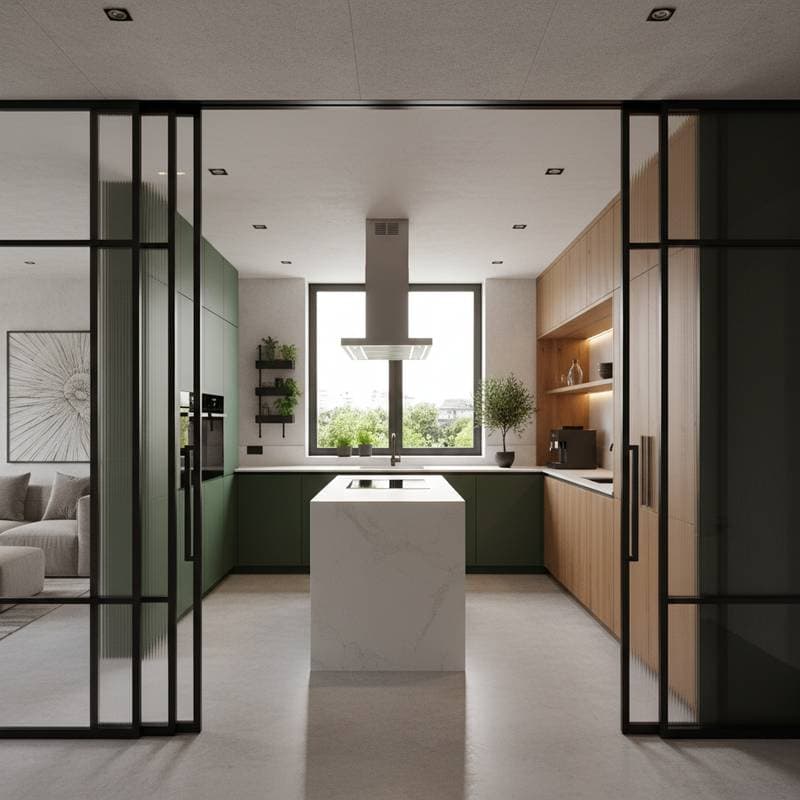
Full enclosure suits some, but hybrids offer versatility. Sliding glass doors or retractable panels allow openness for entertaining and closure for routine tasks. These elements preserve light and views while providing control.
Consider half-height partitions with integrated storage to define spaces subtly. Pocket doors, which slide into walls, maximize floor area in compact homes. Architects recommend materials like frosted glass for privacy without darkness.
Aligning Layouts with Modern Lifestyles
Contemporary routines demand adaptable homes. Remote workers benefit from kitchens that conceal work-in-progress views during calls. Enthusiastic cooks gain room to experiment without impacting shared areas.
For families, closed designs enhance safety by limiting access to hazards like stoves. Supervise children through viewing panels while maintaining boundaries. This setup accommodates diverse needs, from solo meal prep to group events.
Practical Design Strategies for Closed Kitchens
Modern closed kitchens emphasize functionality and appeal. Incorporate these elements to create inviting, efficient spaces.
-
Interior Glazing: Install windows or pass-throughs between kitchen and dining areas to share light and sightlines while preserving separation.
-
Space-Saving Doors: Choose bi-fold or barn-style doors for easy operation in tight spaces.
-
Layered Illumination: Combine overhead fixtures, under-cabinet strips, and table pendants for versatile lighting that supports tasks and ambiance.
-
Bold Color Schemes: Experiment with jewel tones or earth-inspired hues on walls and accents to infuse personality.
-
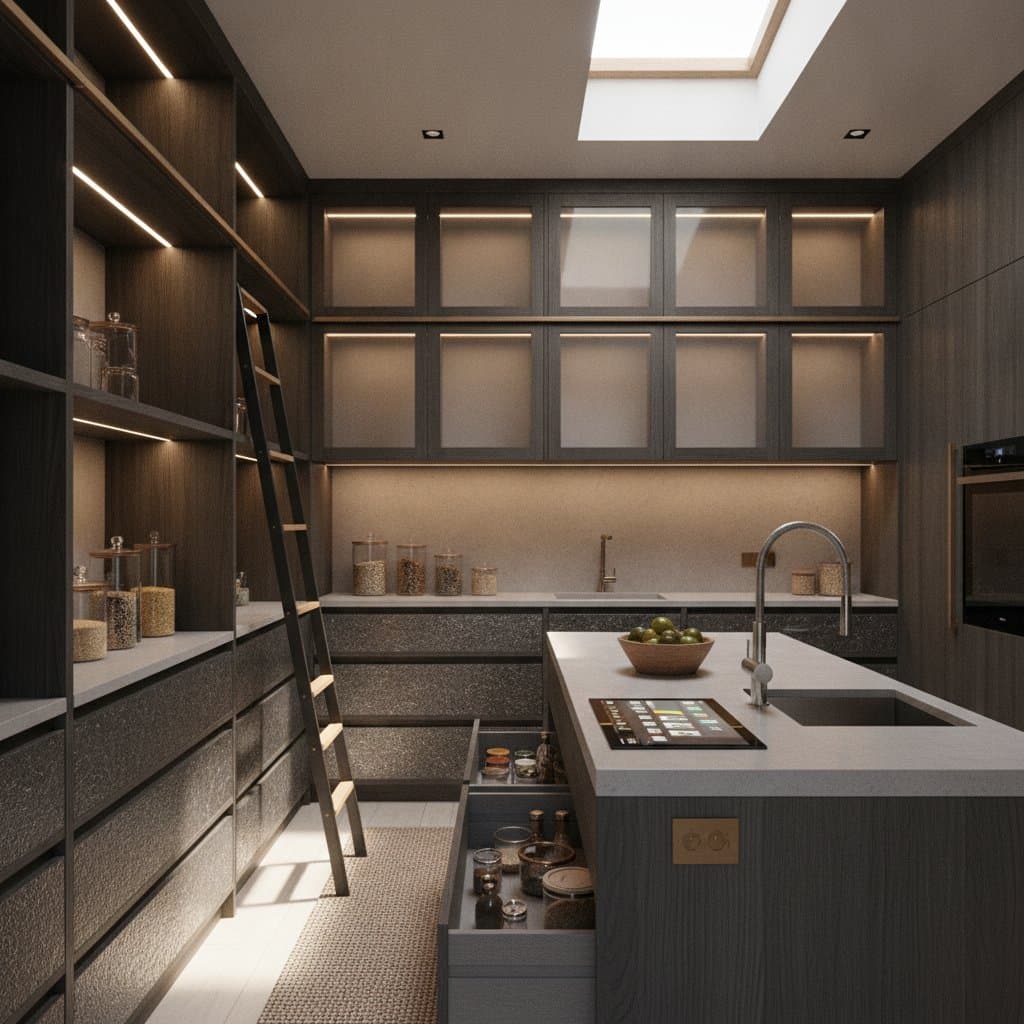
Smart Storage Solutions: Integrate pantries, lazy Susans, and vertical organizers to maximize capacity and minimize clutter.
The Psychological Benefits of Enclosed Spaces
This trend underscores a broader appreciation for personal boundaries in design. Closed kitchens permit imperfection during use, fostering relaxation and creativity. They align with post-pandemic preferences for serene, controllable home environments.
Homeowners report greater satisfaction in layouts that mirror emotional needs for respite. A dedicated cooking area becomes a sanctuary, enhancing overall well-being.
Implementing Your Closed Kitchen
Evaluate daily habits to determine the ideal configuration. Frequent entertainers may prefer hybrids, while privacy seekers opt for full closure. Consult professionals on acoustics, airflow, and ergonomics during planning.
Select durable, joyful finishes like textured backsplashes or ergonomic handles. Budget for quality ventilation to ensure comfort. These steps transform the kitchen into a harmonious extension of home life.
Embracing Boundaries for Everyday Comfort
Closed kitchens redefine luxury through thoughtful separation. They enable focused cooking, peaceful living, and meaningful connections. As 2025 approaches, this trend invites homeowners to prioritize spaces that truly serve their rhythms, proving that well-placed walls enhance rather than divide.