The Cost of Your 2026 Open Kitchen Remodel: A Detailed Guide
Open kitchens lead renovation trends on major design platforms, with homeowners saving and pinning ideas for their blend of style, connection, and utility. These layouts transform cooking into a social activity, support remote work, and foster family interaction. The shift involves more than wall removal; it requires thoughtful integration of light, flow, and energy to suit contemporary lifestyles.
Planning a 2026 open kitchen remodel demands attention to structural challenges and aesthetic goals. This guide outlines expenses, key design elements, and practical decisions to align budget with desired outcomes. Homeowners can expect a range from $50,000 to $150,000, depending on scope, location, and material choices.
Wall Removal and Structural Foundations
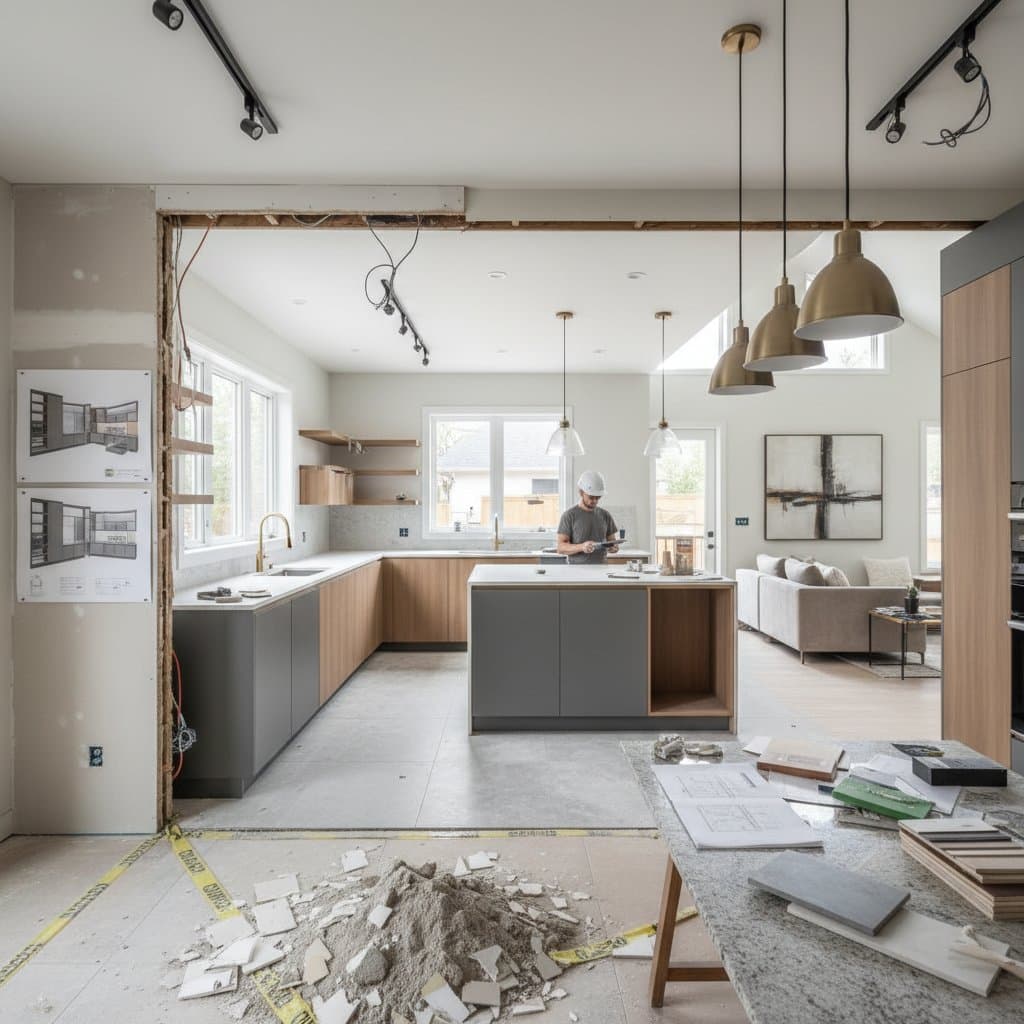
Removing a load-bearing wall opens the space but introduces engineering needs. Professionals assess support beams, permits, and safety to prevent issues like sagging ceilings or uneven floors.
Average cost: Wall removal ranges from $5,000 to $15,000, including beam installation and dust control. Load-bearing walls add $3,000 to $10,000 for reinforced supports.
Materials and finishes: Steel I-beams or laminated wood headers provide hidden strength. Post-removal, smooth drywall and paint ensure a clean transition.
Functionality: This step eliminates barriers, allowing natural light to flood adjacent rooms and improving ventilation across the area.
Design strategy: Consult structural engineers early to map beam placement. Integrate the beam into cabinetry or islands for a seamless look that avoids visual clutter.
Layout Reconfiguration and Utilities
After wall removal, the kitchen layout requires adjustment for balance and efficiency. Relocating plumbing, electrical, and HVAC systems ensures compliance and performance.
Average cost: Engineering and reconfiguration account for 10 to 15 percent of the total budget, or $5,000 to $20,000. Projects with new islands or gas line shifts increase expenses by 20 percent.
Materials and finishes: Quartz or porcelain countertops in neutral tones unify the space. Matte-finish cabinets and brushed brass hardware add subtle elegance.
Functionality: Position islands as multifunctional hubs for prep, dining, and gathering. Ensure pathways measure at least 36 inches wide to facilitate movement.
Design strategy: Use zoning techniques to separate cooking from living areas without walls. Software tools help visualize traffic flow and appliance placement before construction begins.
Cabinetry and Storage Solutions
Custom or semi-custom cabinetry defines the kitchen's core, offering storage while enhancing openness. Full-height units along walls maximize space without enclosing the area.
Average cost: Cabinet installation costs $10,000 to $30,000, based on materials and customization. Soft-close features and pull-out organizers add $2,000 to $5,000.
Materials and finishes: Shaker-style doors in painted white or light wood pair with integrated appliances. Handleless designs promote a sleek, modern profile.
Functionality: Incorporate deep drawers for pots and vertical pantries for utensils. Open shelving in select areas displays dishware and invites interaction.
Design strategy: Match cabinet depths to the new layout, ensuring alignment with living room furniture. Select durable laminates for high-traffic zones to balance cost and longevity.
Flooring for Seamless Integration
Unified flooring ties the kitchen to living spaces, creating an expansive feel. Preparation includes leveling subfloors and addressing moisture in former enclosed areas.
Average cost: Continuous flooring installation spans $8,000 to $18,000, varying by material quality and square footage. Luxury options like engineered hardwood elevate the price.
Materials and finishes: Wide-plank European white oak or light terrazzo provides warmth and durability. Luxury vinyl plank offers water resistance at a lower cost.
Functionality: Uniform surfaces eliminate thresholds, reducing hazards and easing maintenance. Choose slip-resistant finishes for safety around wet zones.
Visual impact: Reflective flooring amplifies natural light, making the open area appear larger and more inviting.
Lighting and Electrical Enhancements
Layered lighting illuminates tasks and sets ambiance in the expanded space. Recessed cans, pendants, and under-cabinet strips replace outdated fixtures.
Average cost: Electrical work and lighting total $4,000 to $12,000, including wiring upgrades for smart controls. Dimmers and LEDs add efficiency.
Materials and finishes: Matte black pendants over islands complement brass accents. Warm LED bulbs mimic natural light for a welcoming glow.
Functionality: Task lighting targets counters, while ambient options highlight seating. Integrate outlets in islands for appliances and charging.
Design strategy: Map lighting zones to match activities, using apps for scheduling. Avoid harsh overheads by layering sources for flexible illumination.
Finishes and Personal Touches
Finishes deliver the final polish, blending practicality with style. Backsplashes, hardware, and counters reflect the home's overall aesthetic.
Average cost: These elements represent 10 to 15 percent of the budget, or $6,000 to $15,000. Custom tile work increases costs.
Materials and finishes: Moroccan zellige tiles in glossy white add texture. Brushed nickel pulls and quartzite surfaces ensure durability.
Design strategy: Coordinate finishes with adjacent rooms, such as wood tones echoing living room pieces. Opt for low-maintenance options like sealed stone for ease.
Visual impact: Thoughtful details create a cohesive, professional finish that elevates the entire home.
Appliances and Integrated Technology
Modern appliances fit flush into the design, maintaining clean lines. Energy-efficient models support open living with quiet operation.
Average cost: Mid-range suites cost $8,000 to $20,000, including installation. Built-in refrigerators and induction ranges suit seamless integration.
Materials and finishes: Stainless steel or panel-ready fronts blend with cabinetry. Smart features enable remote control.
Functionality: Select ventless or downdraft systems to preserve openness. Convection ovens and double drawers enhance cooking versatility.
Design strategy: Prioritize ENERGY STAR ratings to lower utility bills. Position appliances for workflow efficiency in the shared space.
Embracing the Transformed Space
With completion, the open kitchen redefines daily routines, simplifying gatherings and maintenance. Shared surfaces invite collaboration, while ample light boosts mood.
Sustain the design through simple updates, such as rotating island decor or aligning textiles with living areas. Regular care preserves materials, ensuring long-term enjoyment.
This remodel investment yields enduring value, fostering connections and adaptability in your home.