The True Costs of Open Kitchen Remodels in 2026
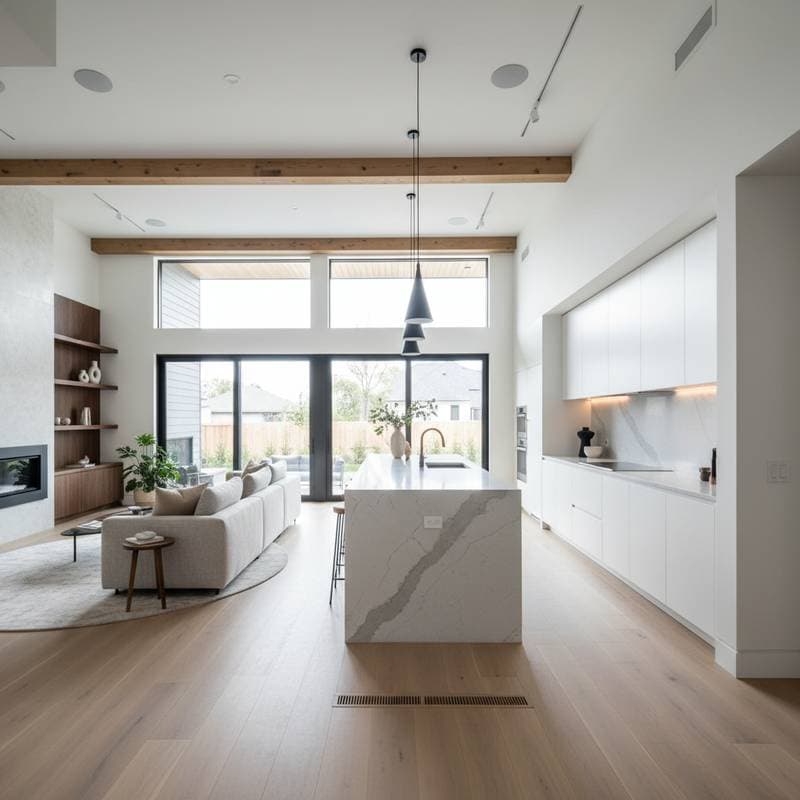
Open kitchen designs vary widely across homes, from minimalist setups to warm, rustic integrations with living areas. These spaces succeed when they prioritize balance, functionality, and longevity rather than mere aesthetics. Achieving this requires addressing structural integrity, efficient layouts, and practical details that impact both initial costs and long-term value. In 2026, with rising material prices and labor demands, understanding these elements helps homeowners budget effectively for a remodel that enhances daily living.
Structural Changes and Their Hidden Expenses
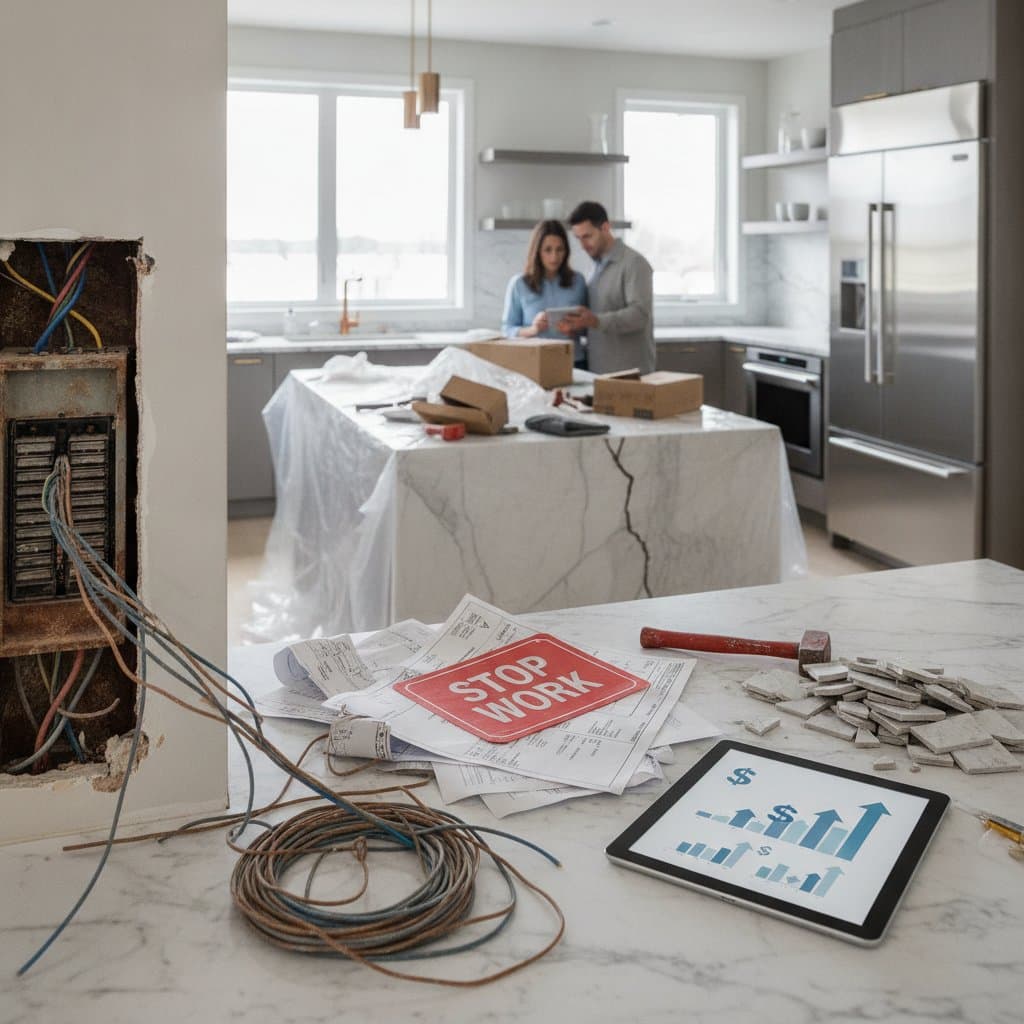
Removing walls to create an open kitchen often uncovers unexpected structural challenges. Load-bearing walls demand engineering assessments and support beams, which can add thousands to the project. Electrical and plumbing rerouting frequently follows, as wires and pipes hidden behind walls need safe relocation to comply with updated building codes.
Professionals recommend consulting a structural engineer early to evaluate your home's framework. Costs for beam installation range from $2,000 to $10,000, depending on span and materials like steel or laminated wood. These investments prevent future issues such as sagging floors or unsafe configurations, ensuring the space remains stable for years.
Planning the Layout for Optimal Flow
Many remodels falter by focusing on surface finishes before establishing a functional layout. In open concepts, pathways from living rooms converge with cooking zones, potentially disrupting workflows or creating safety risks. Guests and family members might navigate too close to hot surfaces without intentional design.
Start by sketching the work triangle connecting the sink, stove, and refrigerator, aiming for distances of 4 to 9 feet between each. Maintain at least 42 inches of clearance around islands to accommodate movement. For households with children, place secondary appliances like the refrigerator near entry points to avoid interference with primary tasks.
This approach not only boosts efficiency but also minimizes accidents, extending the remodel's practical lifespan. Clear circulation patterns make the kitchen inviting for entertaining, turning it into a true hub of the home.
Lighting Strategies to Enhance Openness
Open kitchens benefit from layered lighting to define zones without visual clutter. Natural light flows freely, yet artificial sources must compensate for evening use or shaded areas. Inadequate planning leads to shadows over countertops or overly bright spots that strain eyes.
Incorporate recessed ceiling lights for general illumination, under-cabinet strips for task areas, and pendants over islands for focal points. Dimmers allow flexibility, adjusting from bright meal prep to soft ambiance. Energy-efficient LED options, common in 2026, reduce long-term utility costs while meeting stringent efficiency standards.
Effective lighting elevates the space's appeal and usability, preventing the flatness that plagues poorly lit open designs. It also highlights architectural features, making the remodel feel more expansive and modern.
Ventilation Systems for Clean Air
Cooking in an open kitchen disperses odors and particles into adjacent rooms, compromising indoor air quality. Inexpensive recirculating hoods fail to extract contaminants effectively, leaving grease buildup on surfaces and fabrics. Homeowners often overlook the need for robust systems until problems arise.
Opt for a ducted range hood that exhausts outdoors, sized at 400 cubic feet per minute or more for gas ranges. Position it directly above the cooktop with minimal duct bends to optimize airflow. Makeup air kits, required in many regions by 2026 codes, balance pressure changes from powerful vents.
Superior ventilation maintains a fresh environment, protects health, and preserves furnishings. It adds approximately $1,500 to $4,000 to the budget but yields significant returns in comfort and cleanliness.
Storage Solutions That Preserve Open Feel
Open layouts demand clever storage to avoid clutter in visible areas. Traditional wall cabinets can enclose the space, while insufficient pantry options lead to countertop overload. Balancing accessibility with aesthetics proves essential for daily functionality.
Integrate pull-out drawers, corner carousels, and vertical dividers in base cabinets to maximize capacity without bulk. Appliance garages conceal small devices, and open shelving for everyday items adds warmth without overwhelming the design. Custom solutions like toe-kick drawers utilize overlooked spaces efficiently.
These strategies keep essentials at hand while promoting a spacious vibe. They contribute $3,000 to $8,000 in costs but streamline routines and reduce visual chaos over time.
Seamless Flooring Transitions Across Zones
Flooring choices in open kitchens must unify the kitchen and living areas to avoid jarring divides. Abrupt changes not only disrupt sightlines but also pose tripping risks at edges. Durable, low-maintenance materials handle traffic from both zones effectively.
Select wide-plank engineered hardwood or luxury vinyl that mimics natural textures for continuity. In moisture-prone kitchen sections, ensure waterproof cores to withstand spills. For tile preferences, employ flush thresholds with metal or wood strips to create smooth passes.
Unified flooring enhances flow and safety, costing $5 to $15 per square foot installed. It creates a cohesive aesthetic that elevates the entire home's perceived value.
Managing Acoustics in Expansive Spaces
Wall removal amplifies echoes and sound travel, turning open kitchens into noisy environments. Hard surfaces like stone counters and tile floors exacerbate reverberations, making conversations challenging. Families report increased stress from constant background clamor.
Introduce soft elements such as area rugs under dining tables, fabric window treatments, and cushioned bar stools to absorb noise. Acoustic panels, framed as decorative art, blend functionality with style. Soft-close mechanisms on doors and drawers further dampen impacts.
Improved acoustics foster a serene atmosphere, ideal for gatherings or quiet meals. These additions, budgeted at $500 to $2,000, transform the space from echoing to intimate.
Budgeting Wisely for the Full Scope
Open kitchen remodels average $25,000 to $60,000 in 2026, influenced by location, size, and custom features. Hidden costs like permits, inspections, and temporary relocation during construction often surprise owners. Material fluctuations, particularly for sustainable options, add variability.
Allocate 10 to 20 percent of the total for contingencies, covering unforeseen wiring or foundation work. Prioritize high-impact areas like ventilation and layout before luxury finishes. Consult multiple contractors for quotes, focusing on those experienced in open-concept projects.
Realistic budgeting ensures completion without debt, delivering a high-return investment. Home values increase by 5 to 10 percent with well-executed remodels, justifying the upfront outlay.
Embracing Functionality in Your Open Kitchen
A successful open kitchen remodel integrates thoughtful details that prioritize livability over trends. From secure structures to quiet acoustics, each decision shapes how the space serves your lifestyle. The result is a versatile area that connects family activities while maintaining comfort and efficiency.
Investing time in planning yields enduring benefits, from enhanced safety to effortless entertaining. This approach not only controls costs but also creates a home environment that evolves with your needs.