

High-Return Kitchen Upgrades for 2026
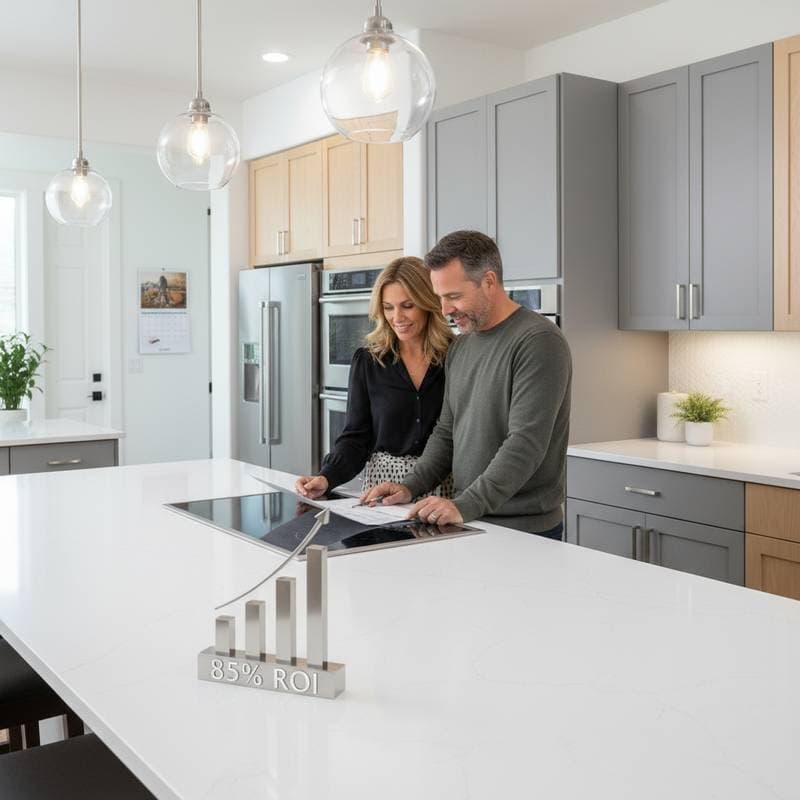
The most recent Cost vs. Value Report from Remodeling Magazine shows that minor kitchen remodels recoup 85 percent of invested costs upon resale. In contrast, major upscale remodels return only about 42 percent. Data from the National Association of Realtors reveals that 60 percent of homebuyers view the kitchen as the primary factor in their buying choice. These statistics underscore a key truth for homeowners: kitchens significantly influence property value, yet returns vary based on spending choices.
Homeowners should avoid excessive outlays on luxury elements that exceed local market norms. Prioritize instead elements that enhance functionality, manage expenses, and appeal to a wide audience. The most effective upgrades combine financial benefits with everyday practicality and strong market draw.
This article details the kitchen enhancements projected to offer the highest returns in 2026. It includes guidance on budgeting, optimal timing, and effective project oversight to help achieve these outcomes.
Market Insights: Trends and Buyer Priorities
Zillow housing analytics demonstrate that properties described as having an updated kitchen sell 1.8 times quicker than similar listings without this attribute. Buyers respond strongly to apparent enhancements, including countertops, improved layouts, and better lighting. Concealed modifications, like plumbing or electrical updates, receive less immediate notice.
Jessica Liu, a Certified Kitchen Planner with Bay Area Design Co., observes, “Buyers make emotional decisions within the first few minutes of seeing a home, and the kitchen often drives that first impression. You don’t need a $100,000 renovation to make that happen. You need smart material choices and efficient design.”
Current trends emphasize kitchens that appear fresh, well-lit, and user-friendly. Neutral color schemes, resilient quartz surfaces, and appliances with energy efficiency align with common buyer desires. Choices like highly customized layouts, dark cabinetry, or ornate hardware may narrow the pool of interested parties.
To align with these preferences, evaluate local sales data through real estate platforms. Identify common features in recently sold homes to guide selections that enhance competitiveness without overinvestment.
Budgeting Essentials: Balancing Costs and Quality
Homeowners must develop a comprehensive cost projection before starting any remodel. This plan should account for hard costs, such as materials and labor, alongside soft costs like design consultations, permits, and contingency allowances. Allocate 10 to 15 percent of the total budget as a contingency to handle potential price increases or unforeseen issues.
Value engineering involves evaluating options to lower expenses while preserving standards. Consider these approaches:
- For cabinets, opt for plywood frames paired with solid wood fronts instead of complete hardwood builds to save on materials without sacrificing appearance.
- On countertops, install quartz for primary areas and butcher block for secondary zones like islands, achieving aesthetic balance at reduced cost.
- Select luxury vinyl plank flooring to mimic hardwood visuals at approximately one-third the expense, offering durability for high-traffic spaces.
Sandra Greene, Senior Project Manager at BuildSmart Renovations, explains, “Value engineering is not cutting corners. It’s strategic spending that allows homeowners to stay within budget while maintaining long-term durability.”
Begin budgeting by obtaining multiple quotes from suppliers and contractors. Factor in regional material prices and labor rates, which can vary by location, to create a realistic financial outline.
Assembling Your Team: Key Experts for Success
Success in a remodel hinges on coordinated efforts from qualified specialists. Essential team members include:
- A Certified Kitchen Designer (CKD) to optimize space flow and ensure regulatory adherence.
- A general contractor to coordinate subcontractors, timelines, and approvals.
- A financial advisor or construction financing expert to align funding with project milestones.
- A home inspector or structural engineer to detect underlying problems early.
Directories from organizations like the National Kitchen and Bath Association (NKBA) and the National Association of Home Builders (NAHB) list verified professionals. Engaging credentialed individuals reduces complications and promotes clear communication throughout the process.
Vet potential hires by reviewing portfolios, checking references, and verifying licenses. Clear contracts outlining scopes, timelines, and payment schedules further safeguard the project.
Sustainability and Upkeep: Securing Lasting Value
Choices in eco-friendly materials and easy-care finishes safeguard finances and appeal. Quartz countertops eliminate the need for periodic sealing, while LED lighting endures far longer than traditional bulbs, cutting replacement needs. Faucets designed for water conservation lower ongoing utility expenses.
Consistent upkeep sustains these investments. Schedule yearly grout resealing, professional appliance tune-ups, and minor paint refreshes to maintain a pristine condition. Prospective buyers offer premiums for kitchens that require minimal immediate work upon move-in.
Incorporate smart home integrations, such as app-controlled appliances, to appeal to tech-savvy demographics. These additions not only reduce energy use but also position the kitchen as forward-thinking, potentially accelerating sales.
Executing the Plan: Steps to Realize Gains
Transform intentions into tangible outcomes by following a structured approach. Outline clear objectives and financial limits from the outset to guide decisions.
- Establish ROI targets by estimating resale recoupment based on local comparables.
- Limit the budget to 10 to 15 percent of the property's current value to avoid overcapitalization.
- Develop itemized estimates covering labor, supplies, professional fees, and reserves.
- Focus on proven performers like cabinet refacing, quartz installations, and LED upgrades.
- Engage licensed contractors and accredited designers through vetted sources.
- Review progress each week, monitoring costs, deadlines, and any modifications.
- Record all financial exchanges and visual updates for records, warranties, or deductions.
Disciplined execution turns a kitchen project into a dual-purpose endeavor: improving livability while building equity. Homeowners who emphasize fiscal clarity, specialist input, and evidence-based choices position themselves for enduring financial advantages as the renovation concludes.