Prepare for 2026 Renovations: Sidestep Common Cost Overruns
Recent data from leading design resources indicate a sharp increase in searches for "unexpected renovation expenses." Homeowners frequently recount experiences where surprise costs inflated budgets during kitchen, bathroom, and outdoor updates. Beyond visual appeal, financial planning emerges as essential. This article details prevalent hidden cost risks in remodeling and presents targeted methods to navigate them ahead of your project launch.
1. Structural Foundation Issues
Structural problems beneath the surface can stop a renovation in its tracks. In a Portland Craftsman home, Mara Lin Interiors discovered water damage behind plaster walls during a kitchen refresh. The repair involved installing moisture-resistant drywall and fresh insulation, which escalated expenses by several thousand dollars. Employ a moisture meter prior to demolition and allocate at least ten percent of your budget as a contingency reserve to address such discoveries and maintain project momentum.
2. Outdated Electrical Systems
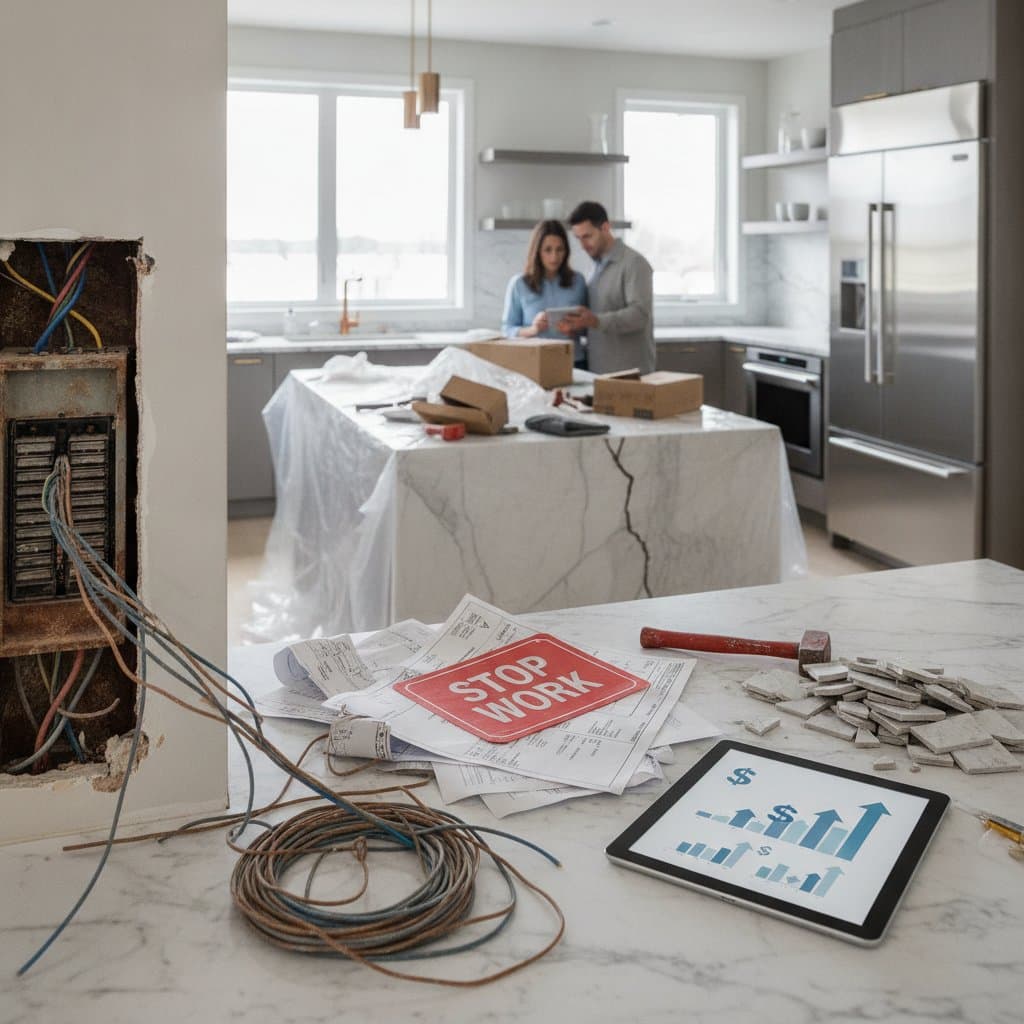
Many older residences conceal wiring that fails to accommodate contemporary appliances or fixtures. Harris Design Lab encountered this in an Austin mid-century bungalow, where they substituted fragile aluminum wiring with durable copper cabling and integrated LED-compatible dimmers. These enhancements boosted safety and energy efficiency yet introduced unforeseen outlays. Commission a thorough electrical assessment from a certified professional before disturbing walls to identify needs beyond superficial updates to vintage elements like switchplates.
3. Concealed Plumbing Challenges
Elegant bathrooms often mask complex piping networks prone to budget disruptions. Haven Studio Design faced corroded galvanized pipes during a Chicago townhouse project, hidden behind Moroccan zellige tile. Rerouting the plumbing delayed tile work by weeks and inflated costs. Engage a licensed plumber early to test water pressure and inspect pipe conditions before selecting fixtures, ensuring your schedule remains on course and estimates stay accurate.
4. Permitting and Approval Delays
Permits represent more than administrative hurdles; they control construction timelines. A Santa Barbara homeowner collaborating with Coastline Concept Studio on a sunroom extension dealt with city and environmental reviews that incurred extra charges. Verify all permitting obligations at the outset and incorporate buffer time for processing into your timeline. Such preparation minimizes expenses from idle workers and facilitates seamless regulatory adherence.
5. Supply Chain Disruptions for Materials
Rapidly evolving design preferences can result in backorders for popular finishes. Roth & Vale Interiors adapted when matte brass hardware became unavailable for months during a Brooklyn loft update. They selected brushed nickel as an alternative, which harmonized with the oak cabinetry and avoided delay penalties. Maintain flexibility by designating a secondary option for each primary material choice to preserve both your aesthetic goals and fiscal limits.
6. Fluctuating Labor Demands
Precise blueprints rely on proficient craftsmanship, yet labor expenses can rise due to unforeseen repairs or modifications. In a recent kitchen project, a minor cabinet adjustment necessitated custom trim fabrication, effectively doubling the installation time. Establish a fifteen percent allowance for labor within your total budget to accommodate these variables. This provision converts potential obstacles into routine refinements.
7. Debris Management and Site Cleanup
Renovations generate substantial waste that few anticipate fully. Fees for dumping, handling hazardous materials, and routine site maintenance frequently surpass projections. Urban Nest Design in Seattle incorporates sustainable disposal from the start, utilizing reclaimed wood recycling programs and low-dust barriers. This method sustains habitable conditions during work and trims expenses related to final cleanup.
Safeguard Your Renovation Investment
After construction concludes and payments clear, successful remodels integrate aesthetics with strategic planning. Anticipating hidden costs preserves innovation rather than stifling it. For any scale of project, compile inspection summaries, permit documentation, and material alternatives in a central project file. View budgeting as an integral aspect of design, so your completed space reflects deliberate choices and fiscal stability.