
Unexpected Costs in Your 2026 Kitchen Remodel
Homeowners often approach kitchen renovations with excitement, armed with design inspirations and material selections. However, the initial contractor quote rarely accounts for all variables. A recent survey of homeowners reveals that only one in three projects adheres to the planned budget. These overruns stem not from inadequate preparation, but from unanticipated expenses that emerge during the build.
To safeguard your 2026 renovation, it is essential to examine common hidden costs. This guide outlines key areas where expenses can accumulate, along with strategies to address them proactively. By understanding these elements, you position yourself to complete the project efficiently and within financial limits.
1. Structural Surprises Behind the Walls
Quick overview: Older homes frequently reveal issues like outdated wiring, plumbing, or load-bearing modifications that demand immediate attention.
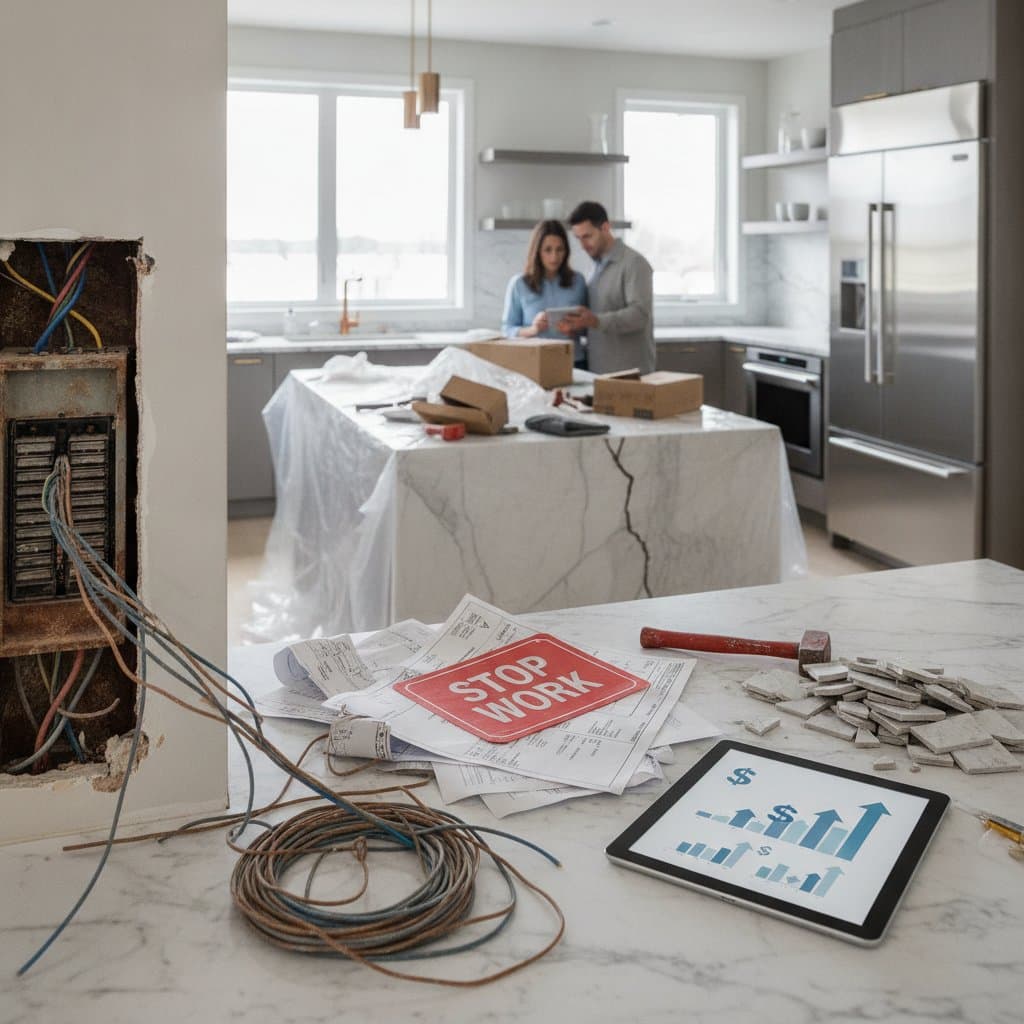
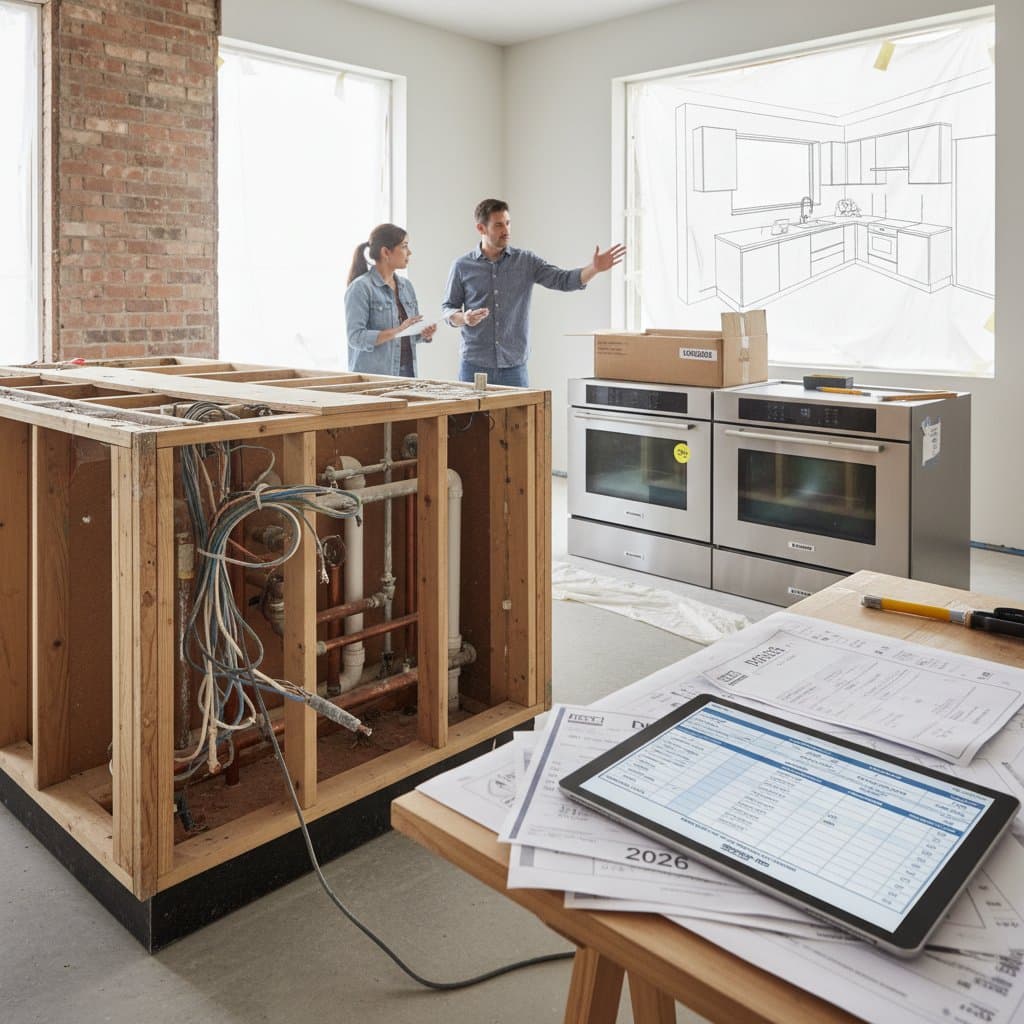
When demolition begins, concealed problems often surface. For instance, corroded pipes or insufficient electrical capacity may require complete replacements. These discoveries halt progress and incur significant labor and material costs, sometimes adding thousands to the total.
Contractor Elena Vasquez from Apex Renovations shares, "We routinely find that 40 percent of budgets go toward unforeseen structural work. Clients who budget a 10 to 15 percent contingency fare much better."
Planning strategy: Schedule a professional inspection before committing to the project. This step identifies potential issues early, allowing you to adjust estimates and avoid mid-renovation disruptions. Allocate a dedicated fund for surprises to maintain project momentum.
2. Appliance Upgrades Beyond the Purchase Price
Quick overview: Advanced appliances often necessitate additional infrastructure, including electrical upgrades, venting systems, or specialized installations.
The allure of energy-efficient refrigerators or professional-grade ovens is strong, yet their integration poses challenges. A large appliance might overload existing circuits, requiring new wiring and panel enhancements. Similarly, gas ranges demand proper venting to comply with safety standards.
Kitchen designer Leo Navarro of BrightSpace Interiors explains, "Clients often focus on the sticker price of the appliance, not the infrastructure it needs. A top-tier range hood, for example, can double in cost once venting and installation are factored in."
Planning strategy: Consult your contractor during the selection phase to verify compatibility with your home's setup. Conduct a pre-purchase site assessment to quantify any required modifications. This approach prevents costly retrofits and ensures seamless functionality.
3. Permits, Inspections, and Regulatory Hurdles
Quick overview: Local regulations impose fees for approvals, inspections, and compliance checks that vary widely by jurisdiction.
No renovation escapes bureaucratic requirements. Electrical alterations, plumbing relocations, or layout changes each trigger specific permits. Non-compliance risks fines, work stoppages, or future resale complications, amplifying the financial impact.
Homeowner advocate and financial columnist Tara McNeil notes, "People often budget for visible upgrades, not paperwork. Yet I have seen permit and inspection costs reach four figures, especially when multiple systems are involved."
Planning strategy: Reach out to your local building department at the outset. Obtain a detailed fee schedule and timeline for approvals to integrate these costs into your initial budget. Factor in potential delays to keep the project on track.
4. Logistics: Delivery, Disposal, and Site Management
Quick overview: Handling materials and waste involves charges for transportation, storage, and cleanup that accumulate steadily.
From transporting heavy cabinets to disposing of old fixtures, logistical elements demand attention. Contractors may bundle these under general fees, obscuring their scope. In urban areas, access restrictions can further elevate expenses through specialized equipment or scheduling adjustments.
Professional remodeler Greg Tully from Tully Built Construction advises, "Ask early about delivery and disposal. If you can coordinate your own waste bin or delivery schedule, you might save a few hundred."
Planning strategy: Dedicate a line item in your budget for logistics, targeting two to three percent of the total estimate. Negotiate with suppliers for bundled services and explore rental options for dumpsters to control these variable costs.
5. Design Choices and Scope Creep
Quick overview: Evolving preferences for finishes, features, or layouts can incrementally increase expenditures.
What begins as a straightforward refresh often expands with tempting additions like custom millwork or premium countertops. Late-stage decisions compound costs due to rushed sourcing and installation premiums. This phenomenon, known as scope creep, erodes original financial boundaries.
Financial planner and renovation coach Melanie Cruz says, "Always separate needs from wants before shopping. It sounds boring, but it is the only way to avoid design inflation."
Planning strategy: Develop prioritized lists of essential and optional elements. Review progress checkpoints with your team to evaluate additions against the budget. Stick to predefined approvals to curb impulsive upgrades.
6. Labor and Timeline Fluctuations
Quick overview: Skilled trade shortages and material delays can extend project duration, inflating hourly labor charges.
In 2026, supply chain issues persist, potentially postponing deliveries and requiring overtime payments. Unforeseen complexities, such as weather interruptions, also extend timelines. These factors multiply costs, as idle periods still incur overhead.
Industry analyst Mark Reilly observes, "Labor rates have risen 15 percent annually in recent years. Building in buffer time prevents rushed work and associated errors that lead to rework expenses."
Planning strategy: Select contractors with proven track records in timely completions. Include clauses for delay penalties and secure material orders early. Monitor progress weekly to address bottlenecks promptly.
Protecting Your Renovation Investment
A well-executed kitchen remodel enhances your home's value and daily life. By anticipating hidden costs through thorough planning and expert consultations, you minimize risks and maximize satisfaction. Implement these strategies to transform your 2026 vision into a reality that aligns with your budget and expectations. Regular reviews and flexible contingencies ensure the process remains manageable and rewarding.