
Spot These Key Warning Signs of Unreliable Contractors Before Hiring
Home renovation projects demand careful planning, yet many homeowners encounter contractors who fail to deliver on promises. These professionals might leave projects incomplete, budgets overrun, and quality subpar. Experienced builders and architects identify specific red flags early to prevent such issues. These signs often indicate deeper problems like ethical lapses, disorganization, or financial instability.
The following guidelines stem from years of overseeing residential remodels, new constructions, and repairs. Apply them to evaluate any contractor thoroughly before signing an agreement. This approach protects your investment and ensures a smoother process.
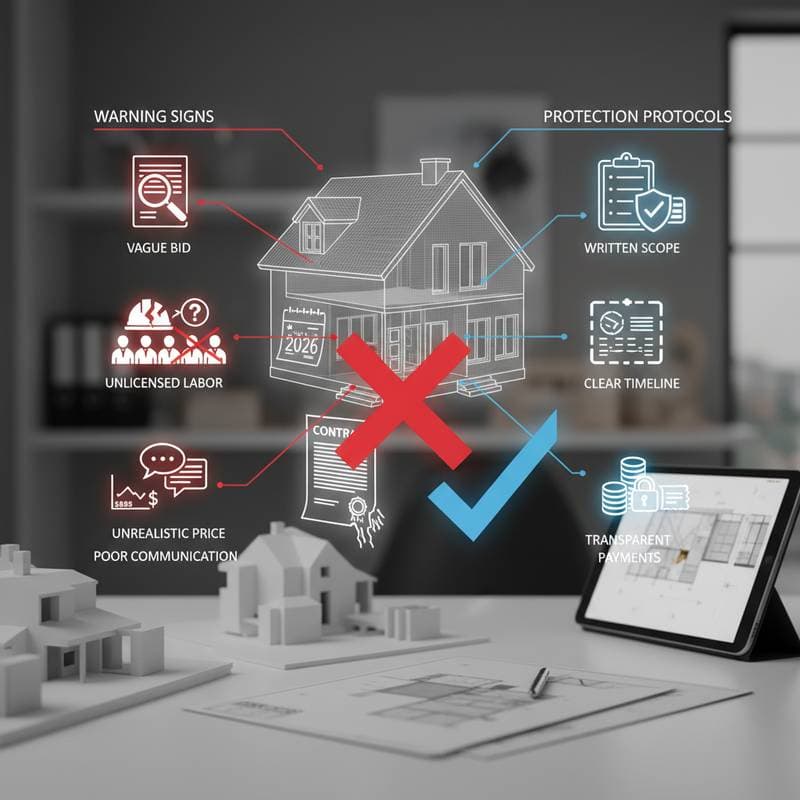
1. Unlicensed or Uninsured Workers
Problem: Homeowners sometimes overlook credential verification, drawn in by promises of savings. Without proper licensing or insurance, risks escalate during accidents, code violations, or disputes.
Context: Consider a case where a homeowner engaged an unlicensed handyman for a kitchen update. A structural error during installation led to water damage, and the lack of insurance left the owner liable for thousands in repairs.
Solution: Verify all credentials through official channels, such as state licensing boards or local building departments. Insist on proof of active coverage before any work commences.
Technical Detail: Request copies of general contractor licenses, business registrations, liability insurance policies with at least one million dollars in coverage, and workers compensation certificates. Check for current status and adequate limits that match project scope.
Benefit: Valid credentials provide legal protection, ensure adherence to safety codes, and reduce personal financial exposure from unforeseen incidents.
2. Vague or Incomplete Bids
Problem: Proposals lacking specifics create confusion and open doors to unexpected costs. Contractors may omit essential details to secure the job, leading to disputes later.
Context: In one remodel project, a bid described the work as a simple wall removal without mentioning electrical rerouting or support beam requirements. The oversight resulted in doubled expenses midway through.
Solution: Demand detailed bids that outline every phase, including materials, labor, and timelines. Reject any proposal that uses general terms without breakdowns.
Technical Detail: Look for itemized lists covering square footage calculations, specific product brands, installation methods, and compliance with local building codes. Ensure the bid includes contingencies for common issues like hidden wiring or plumbing.
Benefit: Clear bids foster transparency, prevent scope creep, and align expectations for a predictable project outcome.
3. Poor Communication from the Start
Problem: Inconsistent or unresponsive contractors signal disorganization that persists throughout the project. Early red flags include delayed responses or unclear explanations.
Context: A homeowner selecting a roofing team noticed emails went unanswered for days during initial consultations. The pattern continued, causing weeks of delays and miscommunications on material choices.
Solution: Test responsiveness during the bidding phase by asking detailed questions. Choose contractors who provide prompt, clear updates and prefer written communication for records.
Technical Detail: Establish expectations for regular progress reports, such as weekly emails or site visits. Inquire about their process for handling changes, including how they notify clients of delays or adjustments.
Benefit: Strong communication builds trust, minimizes misunderstandings, and keeps the project on track with timely resolutions.
4. Unrealistically Low Bids
Problem: Bids significantly below market rates often conceal shortcuts in materials or labor. Homeowners may celebrate initial savings, only to incur higher costs through revisions.
Context: For a deck addition, the lowest bid ignored premium lumber and proper foundation work. Corrections later inflated the total beyond higher initial quotes from reputable firms.
Solution: Compare bids from multiple sources and probe low offers for justifications. Request comprehensive breakdowns to uncover omissions.
Technical Detail: Examine specifics like grade of lumber, sealant types, or fastener quality. Confirm inclusion of all regulatory elements, such as setback requirements or load-bearing calculations.
Benefit: Balanced pricing ensures durable results, avoids hidden fees, and upholds quality standards without compromising safety.
5. Lack of Verifiable References or Portfolio
Problem: Reliance on unconfirmed photos or claims without client contacts raises doubts about past performance. Genuine experts provide tangible proof of success.
Context: An interior renovation contractor shared impressive images that proved to be generic online stock. Requests for client details yielded none, and the project ultimately faltered.
Solution: Seek at least three recent references from similar projects. Contact them directly and, if feasible, inspect completed work in person.
Technical Detail: Inquire about adherence to schedules, site management during construction, and post-project support. Note patterns in responses regarding professionalism and issue resolution.
Benefit: Verified feedback validates skills and reliability, offering insights that polished presentations cannot.
6. Avoidance of Permits or Insistence on Cash Payments
Problem: Proposals to bypass permits or handle payments in cash indicate intent to evade oversight. This practice jeopardizes compliance and traceability.
Context: A garage conversion proceeded without permits to save time. Upon resale, the unapproved alterations triggered inspection failures and expensive fixes.
Solution: Confirm the contractor obtains all necessary permits and provides receipts for payments. Opt for traceable methods like checks or digital transfers.
Technical Detail: Track permit status via municipal records, ensuring applications cover electrical, plumbing, and structural elements. Review payment schedules tied to milestones, not full upfront sums.
Benefit: Full documentation secures legal standing, preserves property value, and confirms adherence to safety protocols.
7. Reluctance to Document Agreements in Writing
Problem: Hesitation to commit terms to paper suggests unreliability. Verbal promises evaporate in conflicts, leaving clients vulnerable.
Context: A siding replacement included a verbal lifetime warranty that the contractor later denied. Without documentation, the homeowner absorbed repair costs alone.
Solution: Insist on a comprehensive contract detailing all aspects, from scope to warranties. Review it with a professional if needed before signing.
Technical Detail: Include clauses on timelines, payment terms, change order processes, and dispute resolution. Specify warranties for materials and workmanship with clear durations and conditions.
Benefit: Written terms create accountability, streamline resolutions, and protect against misunderstandings.
Secure Your Project with Informed Hiring
Selecting a reliable contractor transforms potential headaches into successful outcomes. By heeding these warning signs, you prioritize quality and foresight. Implement thorough vetting to enjoy a renovation that enhances your home without unnecessary stress. Your diligence today yields lasting value tomorrow.