
Understanding Plumbing Risks in Remodeling Projects
A recent HomeAdvisor survey indicates that 41 percent of renovation cost overruns stem from unforeseen plumbing issues. Problems such as leaks concealed behind walls, corroded supply lines, and obsolete drainage systems frequently lead to project delays and significant budget increases. These issues often remain undetected during initial design phases but emerge once structural elements like walls and floors are removed, potentially adding thousands of dollars to expenses.
Homeowners embarking on a remodel benefit greatly from early identification of plumbing vulnerabilities. Such proactive measures serve as essential financial safeguards. Each hour of delay or unanticipated repair escalates both labor and material expenditures, making a comprehensive plumbing inspection checklist a foundational element of effective budgeting.
Benefits of Professional Plumbing Inspections
Engaging a professional plumber for an inspection typically costs between $200 and $600, based on the property's size. This upfront expenditure prevents far greater repair costs down the line. Remodeling Magazine reports that plumbing-related change orders increase project budgets by 12 to 18 percent on average.
Maria Chen, senior project manager at BuildRight Renovation Group, recommends viewing inspections as a critical due diligence process. She states, "Think of it like a financial audit of your water system. You are verifying that what lies behind the walls aligns with your budget assumptions before committing funds."
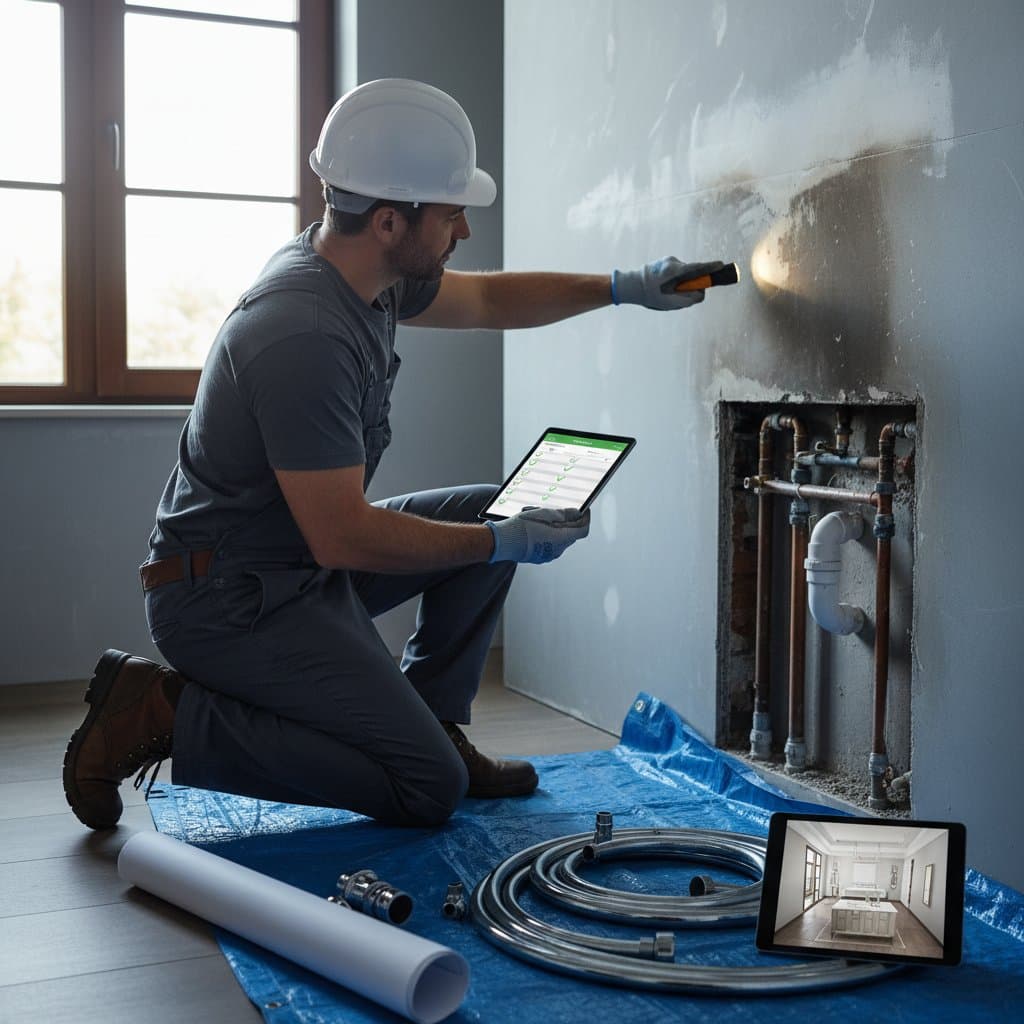
Professionals employ advanced tools to detect issues invisible to the naked eye. These include video pipe cameras for examining drain lines for corrosion or blockages, moisture meters for identifying subtle leaks near fixtures, and pressure testing equipment for assessing pipe integrity under stress. Such diagnostics yield a precise evaluation of the plumbing system's condition, enabling a project plan grounded in reality.
Creating an Effective Pre-Remodel Plumbing Inspection Checklist
A detailed checklist organizes the inspection process and promotes transparency between homeowners and contractors. It facilitates clear documentation of required repairs or replacements prior to starting the remodel.
The following sample checklist outlines key areas to evaluate:
- Main Water Shutoff: Confirm easy access and test valve operation. A seized or rusted valve may complicate emergency shutoffs during construction.
- Pipe Material and Condition: Determine types such as galvanized steel, copper, PVC, or PEX, and inspect for corrosion, scaling, or deterioration.
- Water Pressure Assessment: Gauge static pressure to ensure it falls between 40 and 80 psi. Excessive pressure strains joints and fixtures over time.
- Drain Line Evaluation: Employ a camera to check for buildup, fractures, or root penetration in sewer lines.
- Fixture Supply Lines: Inspect flexible hoses and connections for signs of wear beyond their recommended lifespan.
- Hot Water System Review: Examine the heater's age, check for sediment accumulation, and verify safety valve functionality.
- Basement and Crawl Space Inspection: Search for pipe condensation or moist insulation indicating concealed leaks.
- Vent Stacks and Traps: Ensure proper venting to avoid sewer gas buildup, especially relevant during structural alterations.
Record all observations in a written report to create a mutual reference point. Include cost estimates for each identified concern to prioritize budget allocations effectively.
Strategies for Risk Mitigation in Contracts and Communication
Effective risk management extends beyond inspections to robust contractual agreements and ongoing dialogue. Contracts must specify the plumbing work in detail, including which fixtures, lines, and systems require replacement.
Incorporate clauses that delineate responsibilities for any concealed damage uncovered during demolition. Require verification that all plumbing complies with local building codes prior to enclosing walls.
Establish a communication protocol to review discoveries promptly. Homeowners should insist on daily progress reports and photographic evidence of plumbing alterations. This practice fosters accountability and minimizes the risk of unforeseen charges upon project completion.
Realizing Long-Term Benefits from Plumbing Upgrades
Plumbing enhancements may lack immediate aesthetic appeal, yet they deliver substantial returns through enhanced durability. Updated piping and efficient venting systems curtail future maintenance expenses and boost water conservation.
The National Association of Home Builders notes that properties with modernized plumbing attract quicker sales and command higher resale prices. Prospective buyers view recent plumbing improvements as indicators of diligent upkeep, which bolsters appraisal figures.
For those intending long-term occupancy, installing contemporary PEX or copper systems diminishes leak probabilities, while water-efficient fixtures reduce utility bills. These advantages accumulate over time, validating the wisdom of investing early in the remodel process.
Securing Your Remodel's Success Through Proactive Planning
Successful renovations prioritize foresight over reactive measures. A meticulous plumbing inspection shields your budget, timeline, and asset value from avoidable pitfalls. Transforming potential uncertainties into concrete insights empowers informed choices throughout the project.