
Catch Hidden Flaws Before Remodeling Costs Soar
Imagine envisioning a modernized space with updated countertops, efficient storage solutions, and a dedicated area for morning coffee. Excitement builds until the renovation process reveals underlying problems. Beneath aging surfaces often hide issues such as mold growth, deteriorated wiring, or outdated plumbing systems. A national survey of homeowners indicates that approximately half of all remodeling projects surpass their initial budgets due to unforeseen structural or mechanical complications. What begins as an inspiring transformation can quickly escalate into significant financial strain from elements like undetected water damage.
Fortunately, many of these challenges become identifiable through a targeted pre-remodel inspection combined with a structured contractor checklist. Early awareness enables precise planning for finances, schedules, and overall project management. This approach minimizes disruptions and preserves the vision for the space.
Common Hidden Flaws That Derail Remodeling Budgets
Concealed defects represent major threats to renovation finances. These problems remain undetected until demolition exposes them, at which point corrective actions become unavoidable and expensive.
1. Outdated or Unsafe Wiring
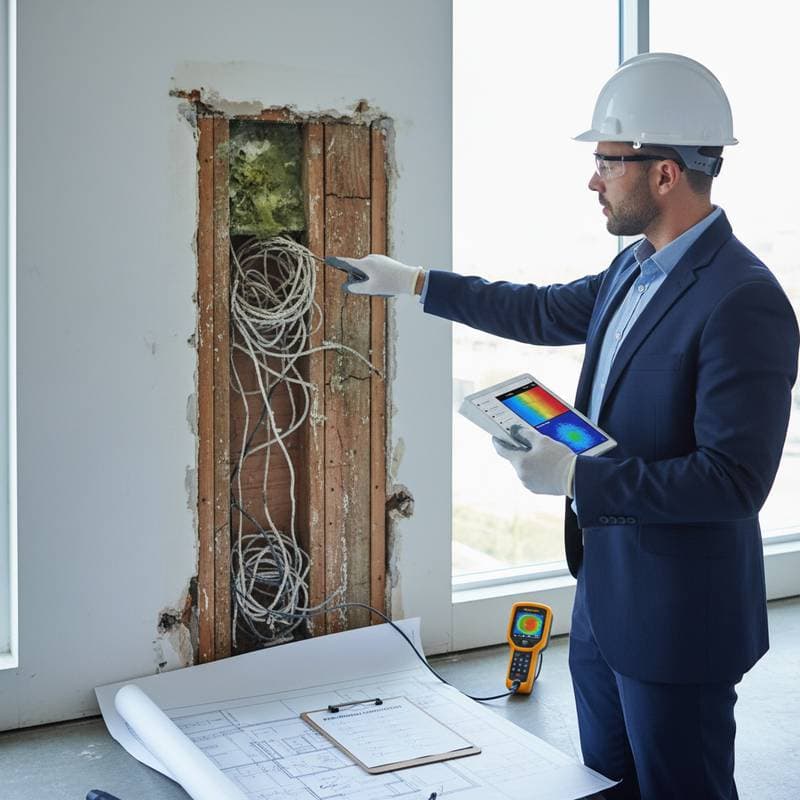
Aging electrical systems pose serious fire risks and typically necessitate full replacement upon discovery. Electrician Sam Torres, with more than ten years of experience in residential rewiring, explains, “Once walls are opened, safety codes apply. Even if the system worked before, inspectors will require updates.” Costs for rewiring range from several thousand dollars, varying by the property's size and the extent of modifications required. Schedule a professional electrical assessment to map out circuits and identify any knob-and-tube wiring or aluminum branches that fail modern standards.
2. Moisture and Mold
Areas like bathrooms, kitchens, and basements frequently harbor invisible moisture accumulation. Remediation efforts for mold can extend timelines by weeks and inflate expenses by thousands of dollars. Use a moisture meter during the inspection phase to detect leaks or high humidity levels before installing new finishes. Consider infrared thermography to visualize water intrusion patterns without invasive measures, allowing for targeted repairs such as sealing cracks or improving drainage.
3. Structural Settling
Visible signs like cracked flooring or uneven walls may indicate deeper foundation shifts. Addressing these after initial remodeling work completes often doubles labor expenses, as completed sections require disassembly. Engage a structural engineer to evaluate load-bearing elements and soil conditions around the foundation. Techniques such as piering or slab jacking can stabilize the structure early, preventing cascading issues in walls and roofs.
4. Plumbing Surprises
Legacy materials like galvanized steel or polybutylene pipes degrade easily during renovations. Proactive replacement while access remains open proves more economical than emergency fixes for subsequent leaks. Instruct your plumber to conduct a pressure test on the entire system prior to starting work, checking for flow rates and pressure drops. Inspect visible joints and fixtures for corrosion, and plan for upgrades to PEX or copper lines to enhance durability and water efficiency.
5. HVAC and Ventilation Issues
Enhancing aesthetics without resolving inadequate airflow leads to ongoing problems like excess humidity and poor air quality. A detailed HVAC evaluation ensures ducts remain intact and systems operate efficiently. Inspectors should measure airflow in key rooms and test for refrigerant leaks or insulation gaps. Upgrading to energy-efficient units during the remodel phase integrates seamlessly and qualifies for potential rebates, while preventing long-term damage from condensation.
How to Discuss Hidden Issues with Your Contractor
Addressing potential defects with a contractor requires direct yet collaborative dialogue. Share the full inspection report prior to any demolition to align expectations. Request identification of any discrepancies between proposed designs and existing structural constraints.
Use these targeted questions to guide the conversation:
- Which essential repairs must precede aesthetic improvements?
- Do lower-cost options exist that comply with current safety regulations?
- How does the contract address the discovery of additional unforeseen problems?
Contractor Eli Grant from Grant & Co. Renovations advises, “Put everything in writing, especially how change orders will be approved. Hidden damage is common, but documented planning keeps the budget honest.” Establish a protocol for daily site logs and weekly progress reviews to track any emerging issues promptly.
Proceed with Informed Renovation Planning
With the inspection completed and contractor aligned, advance the project with assured steps rather than uncertainty. Initial investments in thorough assessments yield substantial savings over time. Focus first on reinforcing the home's foundational systems before allocating resources to decorative elements.
A pre-remodel inspection provides essential foresight, empowering informed decisions and adaptive strategies. This preparation transforms potential obstacles into manageable elements, ensuring the renovation enhances both functionality and enjoyment without undue stress. Schedule the evaluation now to secure a solid foundation for your upcoming improvements.