
Understanding Biophilic Design Costs in 2026
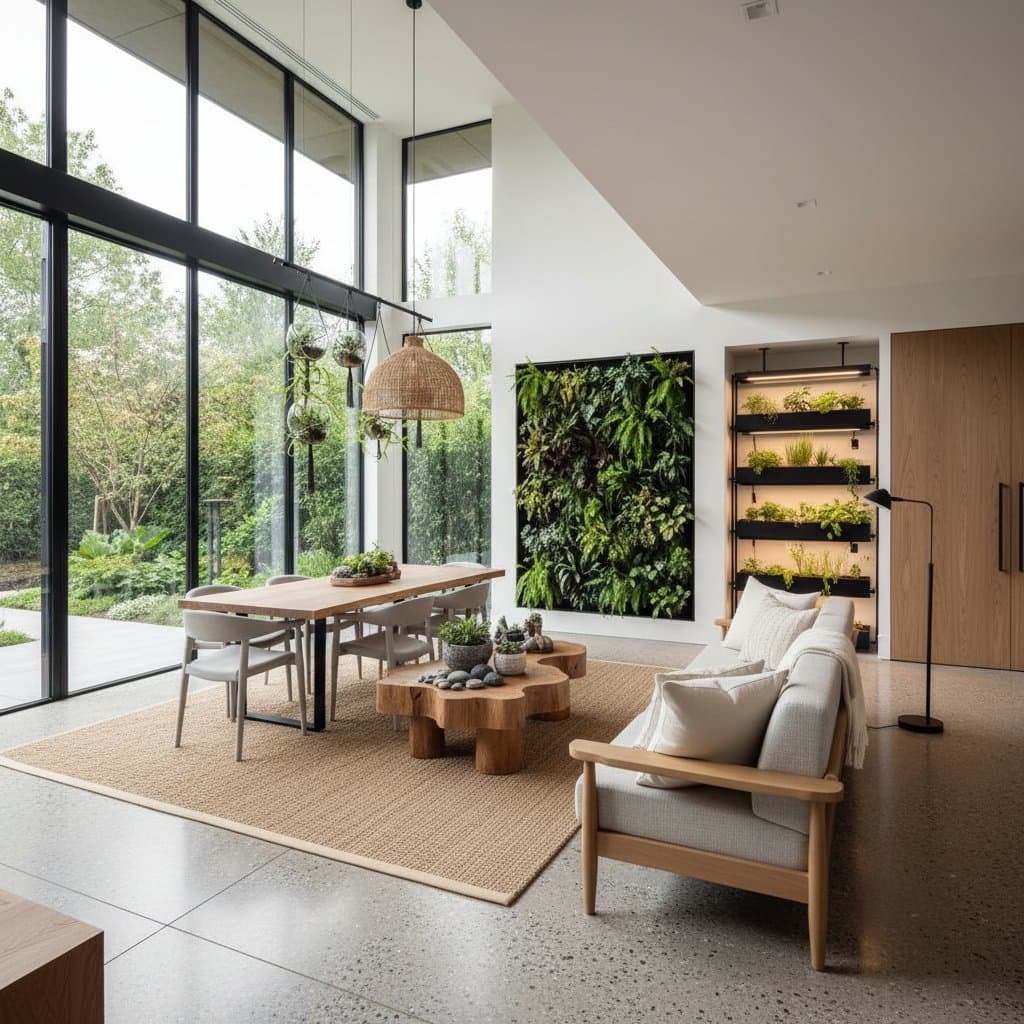
Biophilic design integrates natural elements into living spaces to foster connection with the outdoors. This approach promotes well-being through features like plants, natural materials, and ample daylight. In 2026, these elements remain accessible across various budgets, allowing homeowners to create serene environments without excessive expense.
The appeal lies in its versatility. Simple additions yield immediate improvements, while comprehensive projects deliver profound transformations. Costs vary based on scope, materials, and installation, but strategic choices ensure value.
Breaking Down the Costs
Biophilic design expenses span a wide range, from modest updates to extensive renovations. Factors such as material quality, labor, and scale influence the total. Homeowners can prioritize elements that align with their financial plans.
Low-Budget Enhancements
Entry-level options introduce natural vibes with minimal investment. These changes enhance aesthetics and comfort quickly.
- Natural Textiles: Replace synthetic upholstery with linen or cotton options. Costs range from £50 to £200 per room, depending on quantity and quality.
- Indoor Plants: Select low-maintenance varieties like pothos or snake plants. Allocate £10 to £100 for a collection that softens harsh lines.
- Ambient Lighting: Install warm-toned LED bulbs or fixtures that emulate natural light. Budget £30 to £150 for effective upgrades.
- Wooden Elements: Incorporate reclaimed wood shelves or accents. Expect £100 to £400 for pieces that add organic texture.
These selections emphasize durability and authenticity. Materials that develop patina over time contribute to a lived-in, inviting atmosphere.
Mid-Range Investments
For noticeable impact, consider features that require moderate commitment. These upgrades blend functionality with biophilic principles.
- Vertical Greenery: Install moss panels or small living walls. Prices begin at £600, with maintenance needs in mind.
- Eco-Friendly Flooring: Opt for bamboo or cork installations. Fitted costs fall between £40 and £100 per square meter.
- Window Expansions: Add skylights or enlarge openings for better light flow. Investments range from £1,000 to £4,000.
- Bathroom Naturalization: Introduce humidity-tolerant plants and wood-effect surfaces. Total outlay sits at £500 to £1,500.
Such modifications elevate daily experiences. Increased natural light often leads to improved mood and energy levels.
Premium Overhauls
Luxury implementations create seamless indoor-outdoor harmony. These suit comprehensive remodels with higher budgets.
- Seamless Transitions: Feature frameless doors or integrated courtyards. Starting costs reach £10,000.
- Water Elements: Incorporate fountains or cascading panels. Expenses vary from £2,000 to £8,000.
- Advanced Systems: Install ventilation mimicking outdoor breezes. Budget from £3,000 upward.
- Structural Naturals: Use stone or timber in architecture. Costs depend on project specifics.
At this tier, sensory immersion defines the space. Subtle integrations of sound, scent, and sight enhance overall harmony.
Applying Biophilic Design Room by Room
Target specific areas to maximize effect without overhauling the entire home. Each room benefits from tailored natural integrations.
Living Areas
Position large plants near seating and use woven rugs for texture. Orient furniture toward views to draw in outdoor elements. These adjustments cost little yet shift the room's energy.
Kitchens
Incorporate wooden countertops or stone backsplashes. Place herb planters on windowsills and select warm under-cabinet lights. Such details promote a fresh, functional environment.
Bathrooms
Select earthy tiles and add ferns for moisture balance. A rain-style showerhead evokes natural rainfall. These choices transform the space into a tranquil retreat.
Bedrooms
Choose breathable linens and rattan furnishings. Limit screens and include soft greenery for restful vibes. The result supports deeper relaxation and better sleep.
Benefits of Biophilic Integration
Natural designs yield tangible advantages beyond visuals. Research highlights reduced stress and purified air as common outcomes. Creativity flourishes in these settings, fostering innovative thinking.
Family dynamics improve as well. Open layouts encourage interaction, while greenery promotes calm routines. Even pets respond positively to the organic shifts.
Sustaining Your Biophilic Space
Biophilic elements thrive with ongoing care. Plants require regular watering, and materials benefit from gentle cleaning. Over time, these spaces adapt, with wood gaining character and foliage responding to light.
Observe how sunlight interacts with surfaces daily. This attentiveness deepens appreciation for the design's evolution.
Steps to Implement Biophilic Design
Start with assessment: Identify one room and define your budget. Source sustainable suppliers and consult local experts for installations. Prioritize light, texture, and plants for balanced results. Track progress to refine future additions, ensuring long-term satisfaction.