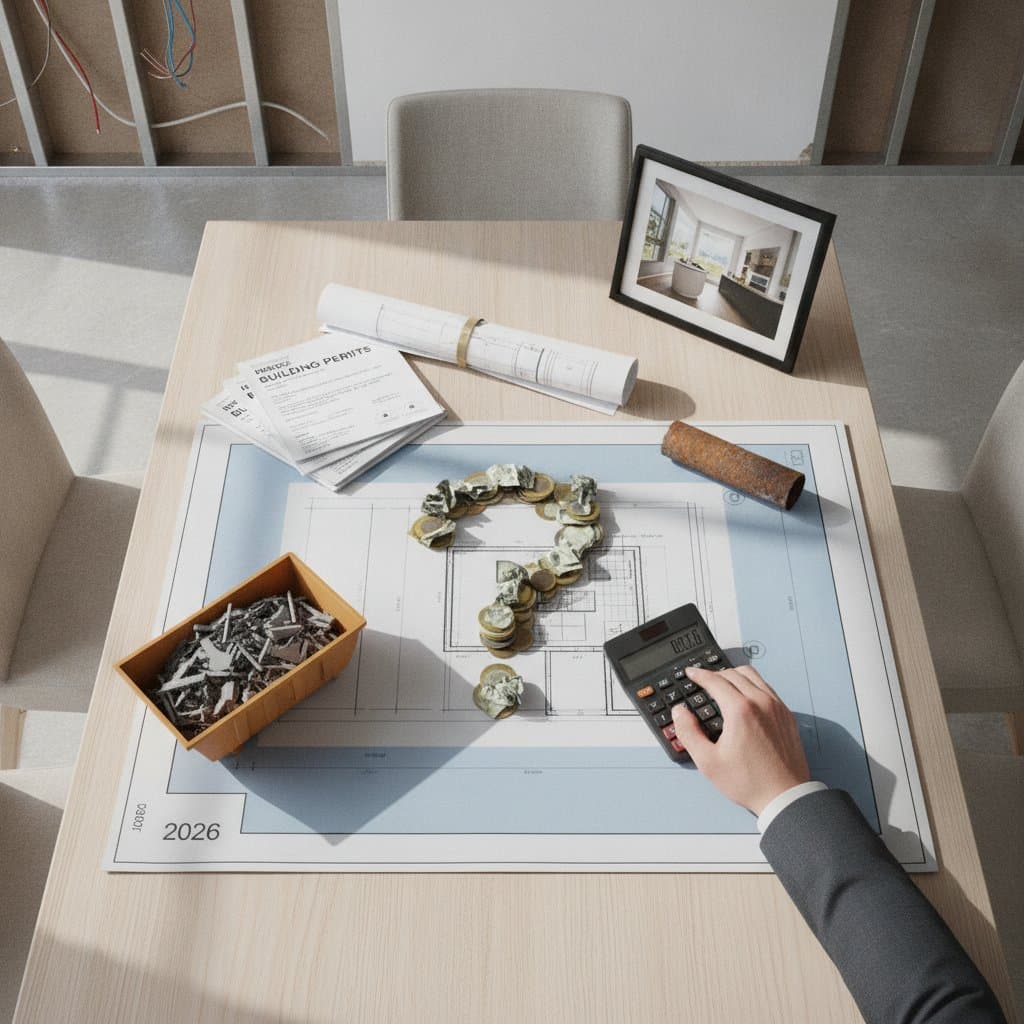


Tariffs Push Remodel Costs Higher in 2026
Homeowners planning renovations next year face a new variable in their budgets. Tariffs on imported building materials are expected to increase project costs by roughly 15 percent. The actual impact depends on material choices, supplier relationships, and project scope. Understanding which products carry the highest risk helps homeowners make informed decisions before signing contracts.
Materials Most Affected by Tariff Changes
Several product categories show the strongest connection to tariff increases. Cabinetry and hardware often contain imported components even when assembled domestically. Flooring and tile sourced from overseas markets face direct price pressure. Windows, doors, and metal fittings frequently combine parts from multiple countries, making cost tracking more complex.
Plumbing fixtures and lighting represent another area of concern. Taps, sinks, and decorative fittings may carry hidden tariff exposure through their supply chains. Appliances and heating equipment present similar challenges because they often contain imported parts despite local assembly. Contractors can identify specific items in each project that carry the highest risk.
Assessing Your Project's Exposure
Not every renovation faces the same level of impact. Small repairs using mostly domestic materials may experience minimal price changes. Larger projects built around imported fixtures, appliances, or finishes face greater exposure. The key lies in understanding which elements of your specific project carry tariff risk.
Ask contractors to break down material sources and identify which quoted prices are firm versus provisional. Request written confirmation of price validity periods and available substitutions. This information allows homeowners to adjust scope or timing before costs escalate.
Strategic Planning for Kitchen Renovations
Kitchens often represent the largest budget item in home renovations. When cabinet prices rise, consider keeping existing cabinet boxes while replacing doors, hardware, or countertops. This approach maintains functionality while reducing material costs. Focus spending on daily-use items like durable work surfaces and quality fixtures rather than purely decorative elements.
Request separate pricing for essential components versus upgrades. This breakdown reveals where cost savings are possible without sacrificing core functionality. Local suppliers may offer comparable products with shorter supply chains, though installed costs require careful comparison.
Bathroom and Extension Considerations
Bathrooms contain numerous components that can affect project budgets. Tiles, fixtures, glass, lighting, and ventilation systems all contribute to total costs. Maintaining existing plumbing layouts reduces both material needs and labor complexity. Moving fixtures requires additional pipework and floor repairs that increase project scope.
Extensions introduce different cost variables. Structural materials, windows, insulation, and roofing may all experience price fluctuations. Request written agreements that specify how price changes will be handled during construction. Establish a contingency fund separate from the main budget to address unexpected discoveries common in older homes.
Questions to Ask Before Signing Contracts
Prepare specific questions about material sourcing and price protection. Identify which materials are imported and which prices carry tariff exposure. Determine how long quoted prices remain valid and what substitutions are available if products become unavailable or too expensive.
Discuss project phasing options that reduce upfront material requirements. Ask which items should be ordered early and where they will be stored during construction. Avoid rushing purchases solely to beat potential price increases, as early orders can complicate returns, warranties, and project scheduling.
Building Flexibility Into Material Selections
Develop short lists of acceptable alternatives for visible finishes rather than committing to single products. This approach provides options if preferred materials become cost-prohibitive. Compare full installed costs rather than focusing solely on material prices, as local products may offer advantages in delivery time and installation complexity.
Consider phasing the project to tackle the most essential spaces first. A functional kitchen with durable surfaces provides more daily value than an ambitious design that exhausts the budget before completion. Adjust project scope based on current pricing rather than abandoning the renovation entirely.
Timing and Budget Protection Strategies
Review contracts for clear terms regarding price adjustments and material substitutions. Establish written agreements about how tariff-related cost increases will be allocated between contractor and homeowner. Maintain separate contingency funds for unexpected discoveries that often emerge during renovation work.
Work with contractors who maintain relationships with multiple suppliers, increasing the likelihood of finding cost-effective alternatives when preferred materials become expensive. Regular communication throughout the project helps identify potential cost issues before they affect the final budget.