
Maximize Savings on 2026 Kitchen Remodels with Modular Design
Many homeowners anticipate a kitchen remodel as a transformative upgrade to their living space. The ideal result includes seamless functionality, ambient lighting, and effortless organization. However, traditional renovations often involve disruptions, escalating expenses, and prolonged timelines. Modular design addresses these challenges by offering an efficient alternative that delivers quality results.
Modular kitchens prioritize practicality and aesthetics without the complexities of custom construction. This approach suits those planning a 2026 remodel, as it aligns with rising material costs and demands for sustainable solutions. Homeowners gain a space that enhances daily routines while preserving financial resources.
Understanding Modular Kitchen Design
Modular kitchen design relies on prefabricated components, such as cabinets, drawers, countertops, and integrated appliances. These elements assemble into cohesive layouts tailored to specific dimensions and needs. Unlike fully custom builds, modular systems use standardized measurements, which simplify planning and execution.
This method resembles advanced assembly systems, providing versatility comparable to popular flat-pack furniture but with superior durability and refinement. Standardized frameworks ensure consistent quality and reduce on-site modifications. Consequently, installation proceeds swiftly, minimizing household disruptions and reliance on temporary meal solutions.
Financial Advantages of Modular Design
Kitchen renovations frequently exceed initial budgets due to unforeseen adjustments and extended labor. Modular design counters this by establishing clear cost parameters from the outset. Homeowners maintain control over expenditures throughout the process.
Key benefits include:
- Transparent Costs: Each modular element carries a fixed price, eliminating unexpected charges for custom adaptations to irregular spaces.
- Streamlined Installation: Reduced labor requirements lower overall fees, with most projects completing in several days rather than weeks.
- Scalable Enhancements: Future additions, such as extra storage, integrate seamlessly without comprehensive overhauls.
- Minimal Waste: Precut components decrease material excess and site clutter, supporting eco-friendly practices.
Shorter project durations also cut indirect costs, such as dining out or productivity losses during construction.
Achieving Stylish Results with Modular Elements
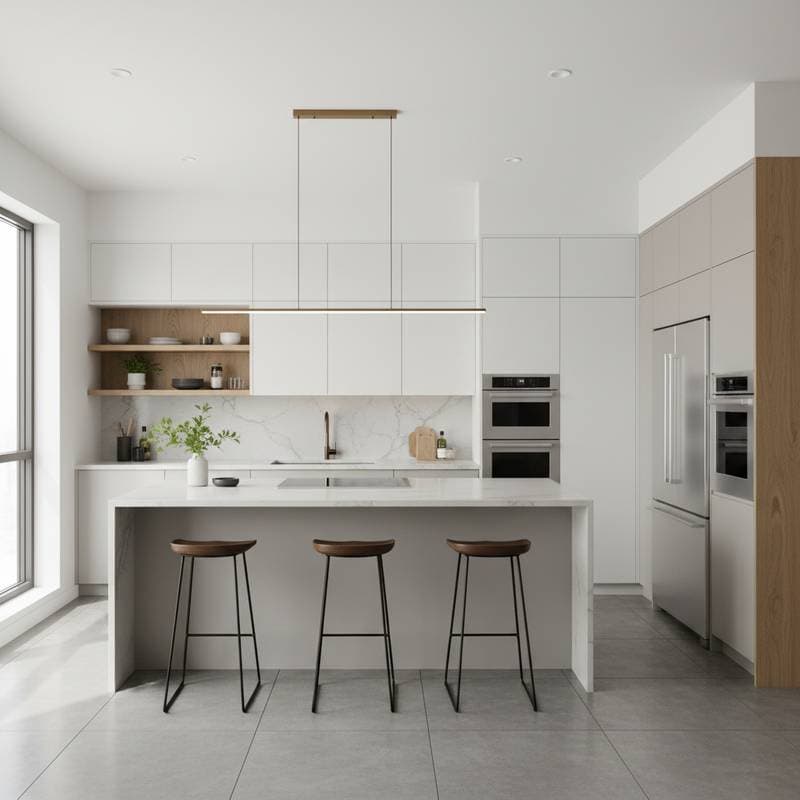
Initial perceptions of modular kitchens often evoke utilitarian appearances, yet modern options disprove this notion. Available materials span natural wood textures, sleek matte finishes, crisp whites, and vibrant accents to match diverse tastes.
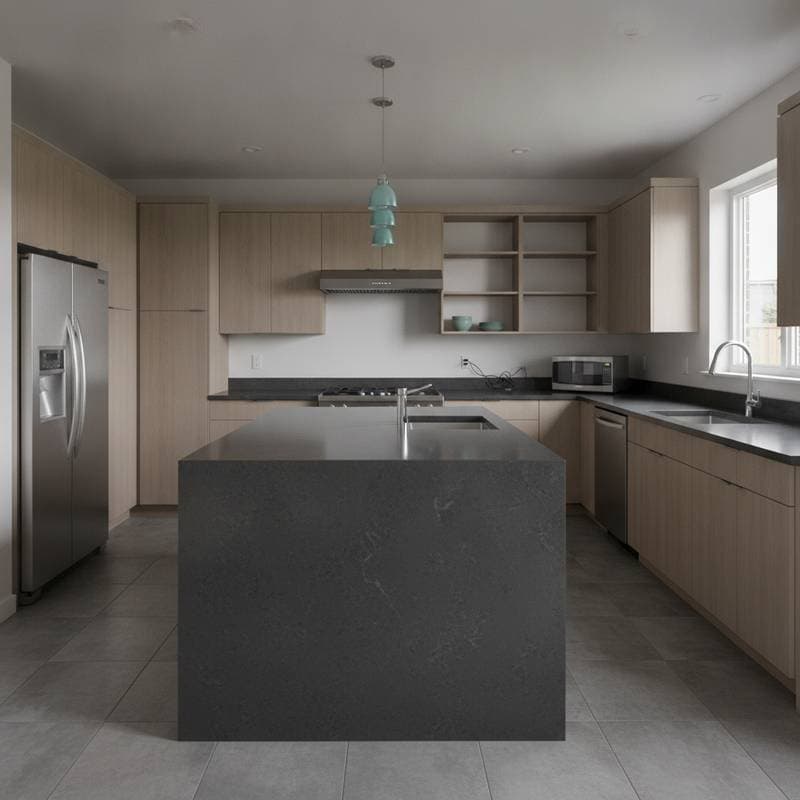
For instance, select oak veneers for warmth, paired with stainless steel accents and durable quartz surfaces. These choices withstand daily use while maintaining visual appeal. Integrate focal points, such as pendant lights or patterned backsplashes, to elevate the overall design without inflating expenses.
Balance ambition with feasibility by focusing on high-impact areas. This strategy yields a customized feel at a fraction of traditional costs, ensuring the space reflects personal style.
Strategies for Planning a Modular Remodel
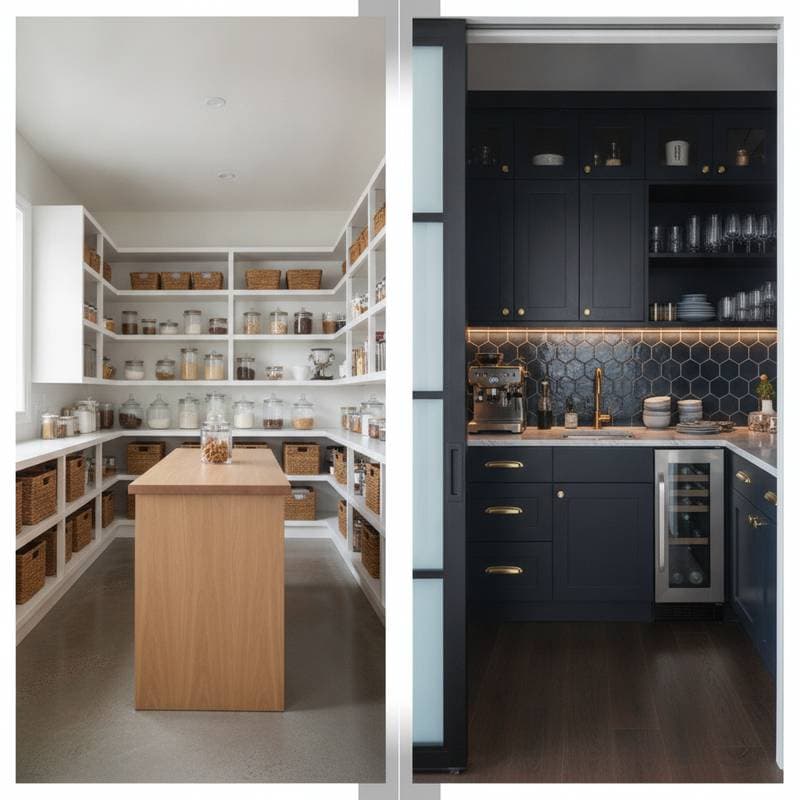
Effective planning begins with evaluating the existing layout and usage patterns. Consider whether the kitchen serves as a primary cooking area or a casual gathering spot. Determine capacity for multiple users and preferences for concealed versus displayed storage.
Sketch a floor plan to identify traffic flow and appliance placement. Modular providers offer online tools or professional consultations to generate three-dimensional previews. These resources confirm fit and functionality prior to purchase.
Address structural quirks, like angled walls, with customizable spacers or adjustable panels. This maintains a seamless, integrated appearance across the design.
Customizing Modular Kitchens for Individuality
Modular designs excel through thoughtful personalization, dispelling notions of uniformity. Replace default hardware with ornate knobs or sleek levers to introduce character. Select wall colors that complement cabinetry hues for cohesive harmony.
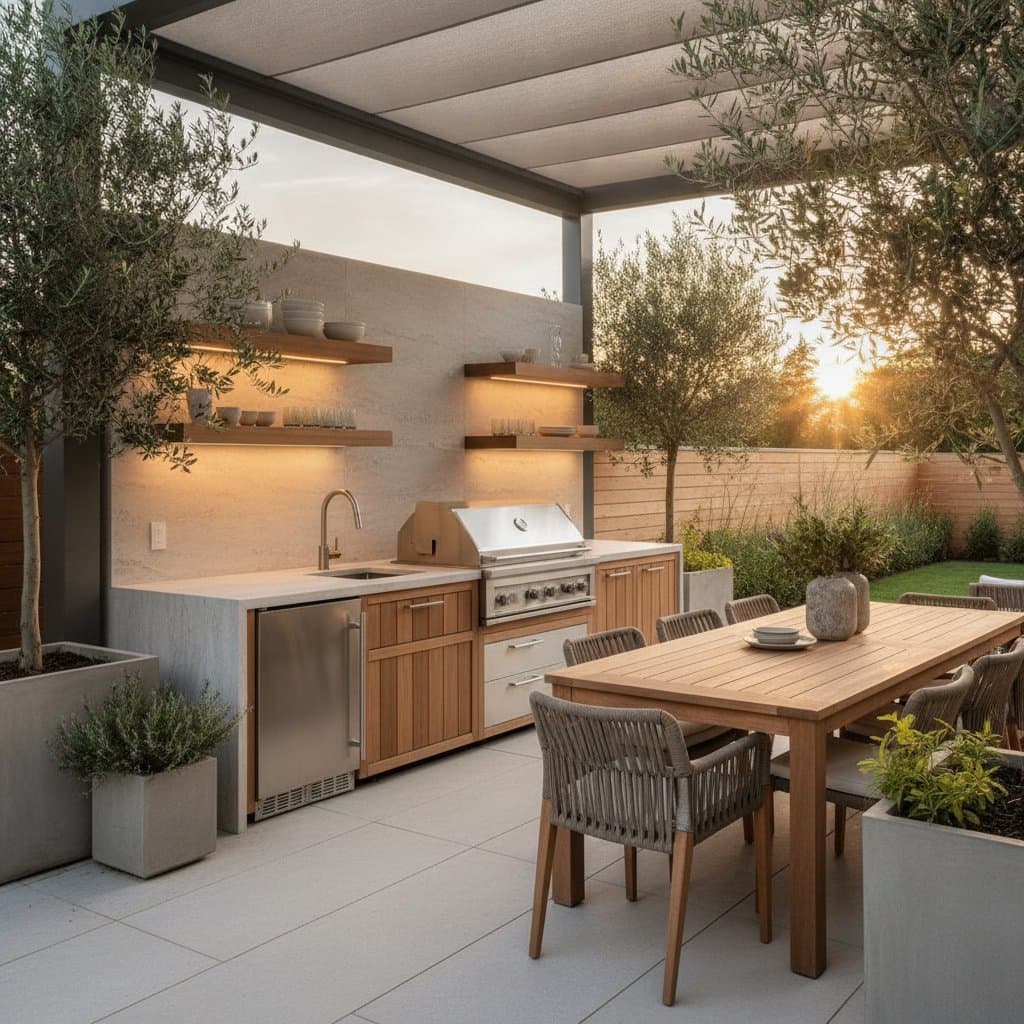
Incorporate functional details, such as LED strips beneath counters for illumination or pegboards for tool organization. For example, install floating shelves to showcase ceramics, adding warmth and accessibility. These modifications require minimal investment yet enhance usability and charm.
Such adaptations ensure the kitchen evolves with lifestyle changes, fostering a sense of ownership.
Long-Term Benefits of Modular Kitchens
Post-installation, modular systems simplify maintenance and updates. Surfaces clean easily, and individual parts replace without full disassembly. Order matching components to address wear, extending the kitchen's lifespan.
Adaptability supports family growth, such as adding seating areas or expanding cabinetry. This inherent flexibility accommodates shifting needs, from hobby expansions to routine adjustments.
Overall, modular kitchens promote durability and convenience, reducing future renovation demands.
Realizing Value in Your Remodel
A completed modular kitchen delivers enduring satisfaction through its blend of efficiency and elegance. Homeowners enjoy a functional haven that supports everyday activities without financial strain.
Opt for modular design in 2026 to secure a space that aligns with practical realities and aesthetic goals. This choice transforms routine areas into valued assets, emphasizing thoughtful investment over extravagance.