Identify These Red Flags to Avoid Contractor Scams
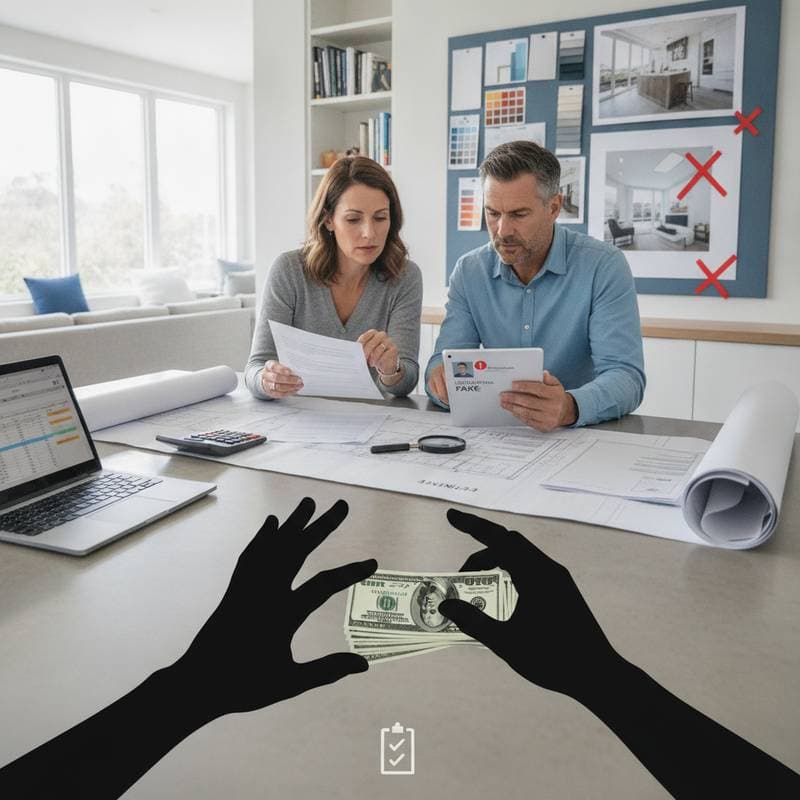
Online home renovation forums and local homeowner groups have been buzzing with a troubling pattern. Posts describing half-finished remodels, vanished deposits, and ghosted clients have spiked across major platforms. Home improvement spending has grown steadily, but so has the number of contractor scams that leave families without funds or finished spaces. The appeal of quick quotes and friendly pitches often hides deeper issues. Recognizing early warning signs can protect your home, your money, and your peace of mind.
This guide breaks down the most common contractor red flags, showing what to watch for before signing any agreement or handing over a check.
1. No Written Estimate
A professional contractor always provides a detailed written estimate that covers labor, materials, and timelines. When someone resists putting numbers on paper, it signals potential trouble. Genuine firms clarify costs upfront, using itemized lists of materials such as oak flooring and ceramic backsplash tile. The transparency builds trust and eliminates hidden fees. Without this clarity, clients risk inflated bills or incomplete work. Always insist on a signed document before moving forward.
2. Cash-Only Demands
If a contractor insists on cash payments, especially large upfront amounts, pause immediately. Reputable professionals accept checks or card payments, which create verifiable paper trails. Scammers often push for cash to avoid accountability. Clear payment paths protect both parties and keep communication professional rather than personal.
3. No Physical Address
A missing business address should raise questions. A legitimate company operates from a verifiable office or workshop. A scammer might only offer a phone number or a vague location. Before hiring, run a quick online search or drive by the listed address. A real address often means real accountability.
4. Unrealistically Low Bids
A rock-bottom quote can be tempting, but it often hides shortcuts or surprise costs. Skilled contractors estimate based on current material rates and labor demands. When one quote stands far below others, ask what compromises are being made. Compare bids that specify finishes like satin nickel fixtures or engineered oak planks. Lower price points may omit quality materials or necessary permits. The cheapest route rarely ends up being the most affordable.
5. No References or Portfolio
A solid contractor is proud to show past projects. When someone avoids sharing photos or client contacts, it suggests a lack of experience or credibility. A quick reference call can reveal much about professionalism, cleanliness, and communication. Ask for visuals of completed spaces and confirm that the images match real jobs. Authentic portfolios tell honest stories of craftsmanship, design, and follow-through.
6. Pressure to Decide Immediately
High-pressure tactics belong in sales pitches, not construction agreements. Scammers rely on urgency to prevent clients from researching. A trustworthy contractor allows time to review details, compare bids, and ask questions. That patience reflects genuine professionalism. Any push for instant deposits should make you step back and reassess.
7. No License or Insurance Proof
Always request copies of a contractor license and insurance certificates. These documents protect you if something goes wrong on-site. Scammers often claim credentials they do not have. A reputable builder will share proof without hesitation. Verifying coverage can prevent liability for accidents or damages. Think of it as your safety net before work begins.
Verify Credentials Before Signing
Hiring a contractor is an act of trust. The best professionals combine craftsmanship with clear communication and documented protection for both sides. Before agreeing to any renovation, take time to verify credentials, compare bids, and read every clause. Ask questions, trust your instincts, and proceed only when all documentation aligns.