Avoid Contractor Scams in 2026 by Watching for These Payment Red Flags
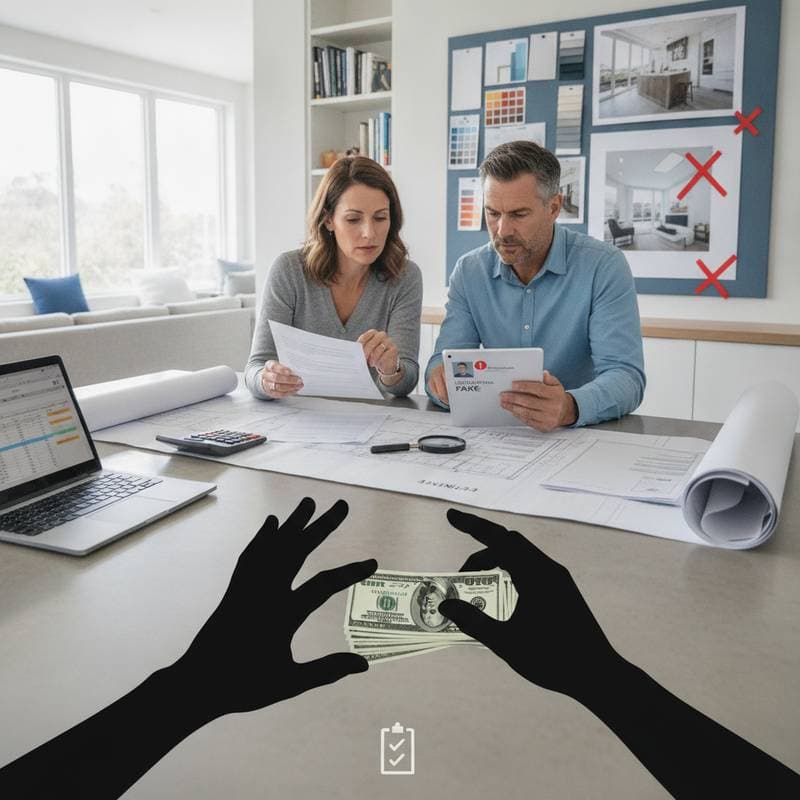
According to a recent HomeAdvisor consumer survey, nearly 42 percent of homeowners reported at least one experience with a dishonest or underperforming contractor. Of those cases, more than half involved questionable payment practices. Financial transparency remains the most reliable defense when hiring for renovations, remodels, or repairs.
Large Upfront Payments
A legitimate contractor rarely requires more than a modest deposit before work begins. The National Association of the Remodeling Industry recommends limiting deposits to 10 to 25 percent of the total project cost. When a contractor asks for 50 percent or more upfront, it signals a cash flow issue or an intent to disappear after collecting funds.
Excessive upfront requests are the number one payment scam we see in residential contracting, said Laura Hill, CPA and construction finance consultant at BuildSure Advisory. If a contractor cannot operate within standard deposit ranges, that is a liquidity risk no homeowner should accept.
Missing or Vague Written Contracts
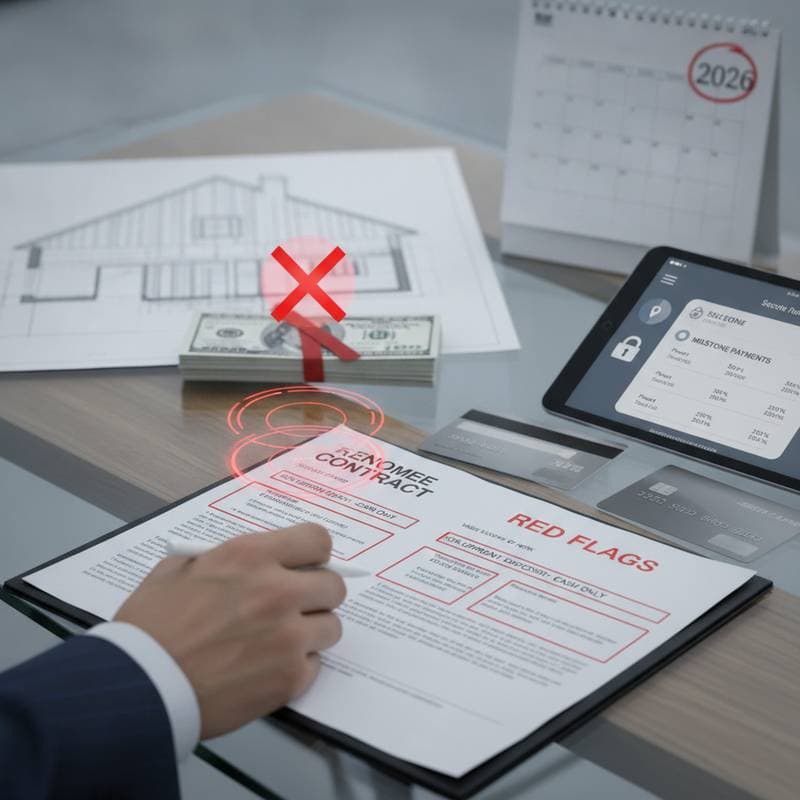
Every legitimate project starts with a written contract that includes payment schedules, milestones, and itemized costs. Without this, disputes become nearly impossible to settle. Industry data from the Better Business Bureau shows that over 60 percent of contractor fraud cases involve missing or incomplete contracts.
Refuse to pay any amount until you have a signed document that lists total costs, specific deliverables, and clear progress payment terms. Include penalties for missed deadlines or incomplete work.
A transparent contract protects both parties, said James Ortega, licensed general contractor and owner of Ortega Construction Group. If a contractor hesitates to document terms, they likely intend to manipulate them later.
Cash Only or Untraceable Payment Methods
Cash payments leave no audit trail. Scammers rely on this to avoid accountability. Bank transfers, credit cards, or checks create a verifiable record. Professional contractors often use invoicing software or digital payment systems to ensure documentation.
Always request receipts for every payment. Ask contractors to use a business account, not a personal one. If they refuse, that is a direct red flag.
Sudden Price Changes Without Explanation
Fraudulent contractors often raise prices mid project and pressure homeowners to pay more, claiming unforeseen costs. While legitimate changes can occur, professionals issue change orders with clear documentation and mutual approval.
Homeowners should budget a 10 percent contingency for real changes, not contractor mistakes, said Erin Douglas, project manager at NorthPoint Renovation Services. Any cost increase should include written justification and updated project scope.
Verify Contractor Credentials Before Paying
Before releasing any payment, verify licensing, insurance, and local business registration. Contact your state contractor licensing board and check complaint histories. Request at least three recent client references and confirm payment terms directly with them.
Protect Your Renovation Budget
Pay in stages tied to measurable progress, never in full before completion. Track every transaction and store receipts digitally and in print. Renovation success depends as much on financial controls as craftsmanship. Staying alert to payment red flags helps homeowners safeguard their investments and ensure quality work.