
Revolutionize Your Pantry with 2025 Storage Hacks
An organized pantry brings a sense of order and efficiency to the kitchen. Neat rows of labeled jars, baskets that hold their intended contents, and shelves that utilize space effectively create harmony. In contrast, many pantries feature misplaced items like flour next to vinegar and teetering cereal boxes. Through trial and error, including a few remodels and one shelving mishap, it becomes clear that a pantry can achieve both beauty and functionality with thoughtful planning.
Dream vs. Reality: The Pantry We Want and the One We Have
The ideal pantry evokes serenity with visible, accessible items arranged by category. In practice, it often risks becoming a disorganized pile due to hurried shopping, family habits, and bulk purchases. The solution lies in designing for real life rather than perfection. For daily cooks, prioritize quick access to staples; for families with children, secure items to prevent spills. This focus on practicality simplifies choices and yields lasting results.
Smart Shelving That Actually Works
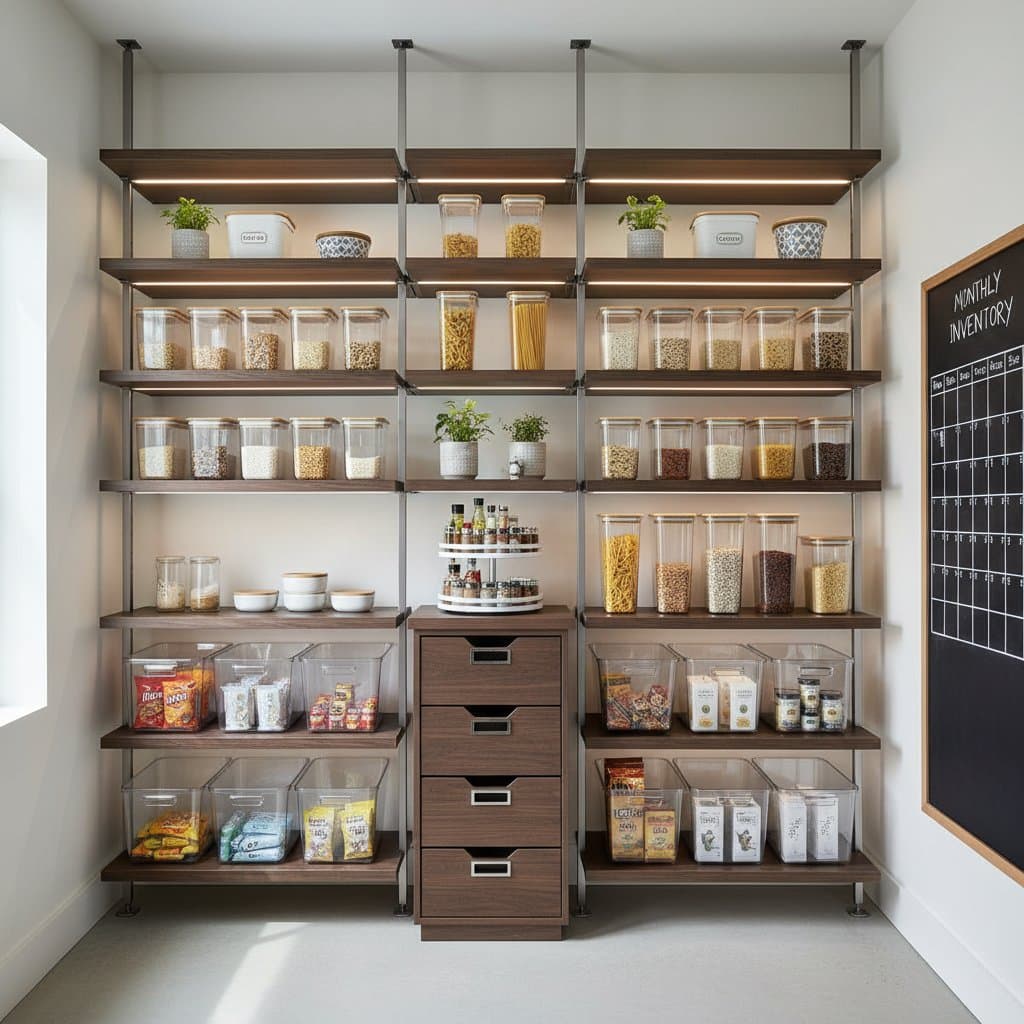
Common shelving errors include overly narrow units or excessively deep ones that hide items. Current trends emphasize adjustable systems to adapt to changing needs. Install metal tracks for height flexibility, pull-out drawers for easy reach, and corner carousels to access tight spaces. These options, though appearing industrial, optimize every inch without overwhelming small areas.
Consider adding a pull-out tower for dry goods in walk-in pantries or converted cupboards. Such a unit allows retrieval of items from the back without strain. After installing one, the convenience of accessing rice or pasta without toppling jars proves invaluable, justifying the modest extra cost over basic shelves.
Clever Containers and Honest Labeling
Transparent containers once seemed superfluous, but they reveal duplicates and reduce waste. Transfer bulk items like flour or grains into clear acrylic bins or glass jars immediately after purchase. Label each with a permanent marker noting contents and dates to track freshness. This method saves space, maintains tidiness, and avoids multiple open packages of the same ingredient.
Begin with essentials on a limited budget: decant pasta, rice, and cereals into stackable plastic or glass containers measuring 1-2 quarts. For spices, position a rotating lazy Susan on a middle shelf to keep jars contained and visible. Regular rotation prevents items from shifting and ensures even access.
Walk-In Pantry Dreams on a Cupboard Budget
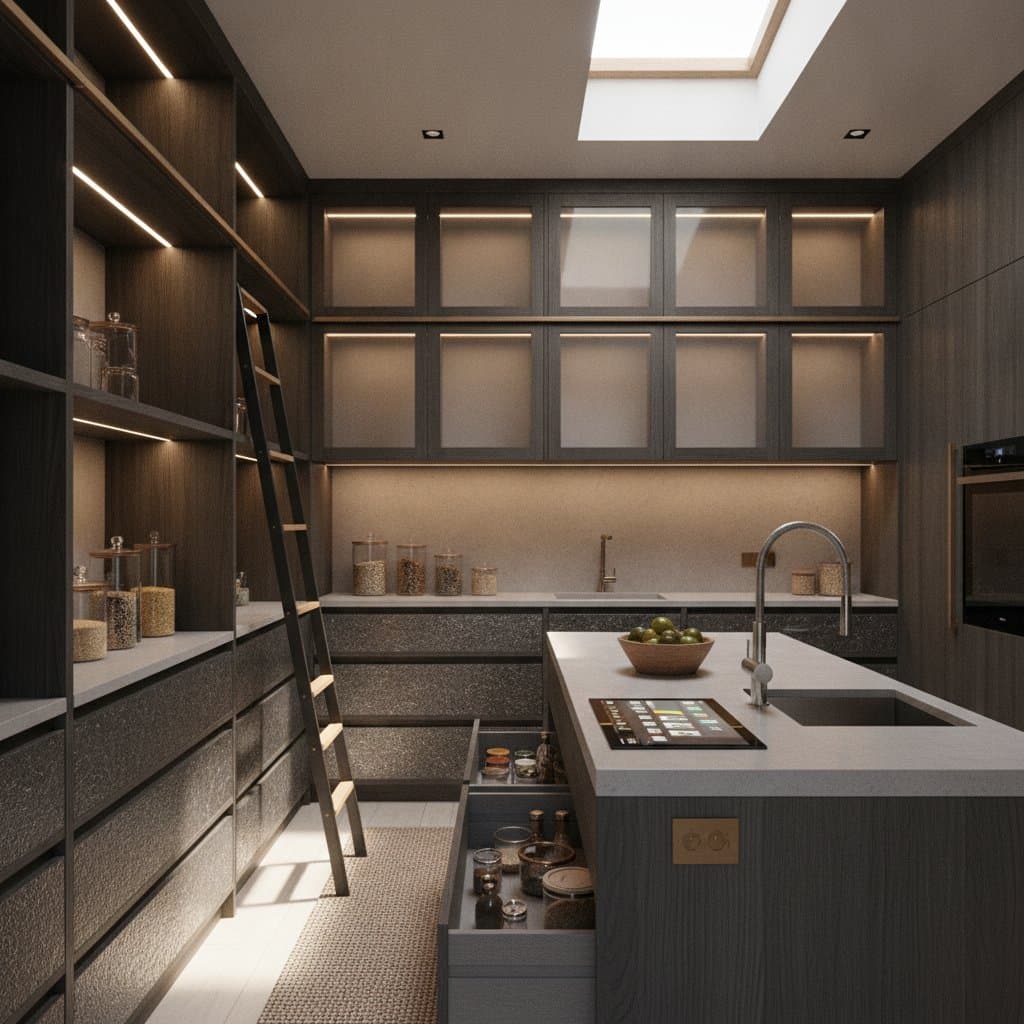
Even without a walk-in space, vertical thinking expands capacity. Install additional shelves reaching the ceiling, paired with a sturdy step stool for higher items. Attach hooks to door interiors for hanging aprons, reusable bags, or lightweight baskets holding snacks. These additions create the appearance of ample room without structural changes.
In a walk-in pantry, prioritize illumination to prevent overlooked perishables. Motion-sensor LED strips activate automatically, enhancing safety and convenience during evening searches. Place heavy goods like flour sacks or canned vegetables on lower shelves, typically 12-18 inches from the floor, to minimize fall risks and ease lifting.
Budgeting for a Pantry Remodel
Costs for pantry updates range from minimal for basic reorganization to substantial for custom features. A declutter session with new bins might cost under $100, while integrated cabinetry or automated lighting could exceed $500. Proceed in phases: first, purge unused items; second, evaluate storage gaps based on usage patterns; third, allocate funds to high-impact solutions.
When consulting professionals, request modular components over custom builds for adaptability and savings, often 20-30% less expensive. For DIY efforts, measure spaces precisely and test shelf heights with temporary brackets. Accurate planning avoids costly adjustments and frustration.
Ideas That Add Charm and Function
Infuse personality into utilitarian spaces with subtle enhancements. Apply a single accent wall in soft blue or green for visual interest, or line shelves with neutral patterned paper to protect surfaces. Install a chalkboard panel on the door for jotting shopping lists and meal ideas, fostering daily interaction.
In larger setups, incorporate a built-in counter at waist height for prep tasks like measuring spices or portioning dough. This dedicated area keeps countertops clear and contains messes. Nearby outlets enable storing small appliances such as a coffee grinder, streamlining morning routines.
Maintaining Efficiency in Daily Use
Sustaining an organized pantry requires consistent habits rather than overhaul. Schedule a 10-minute weekly review to return items to zones and discard expired goods. Position frequently used staples, like oils and utensils, at eye level between 36-48 inches high for effortless grabs.
Resist overbuying by checking inventory before shopping; maintain a running list on your phone or chalkboard. These routines preserve the system's benefits, turning the pantry into a reliable ally for efficient meal preparation and reduced stress.