Pantry Remodels Return 55 to 70 Percent at Resale in 2026
Homeowners planning a pantry upgrade often weigh the potential return against upfront costs. In 2026, resale recovery typically falls between 55 and 70 percent. The exact percentage depends on location, material choices, and how well the new space integrates with the rest of the kitchen.
A well executed pantry adds both storage capacity and daily convenience. Buyers notice organized shelving, proper lighting, and durable surfaces during showings. These features help the home stand out without requiring luxury level spending.
Elements That Shape Resale Recovery
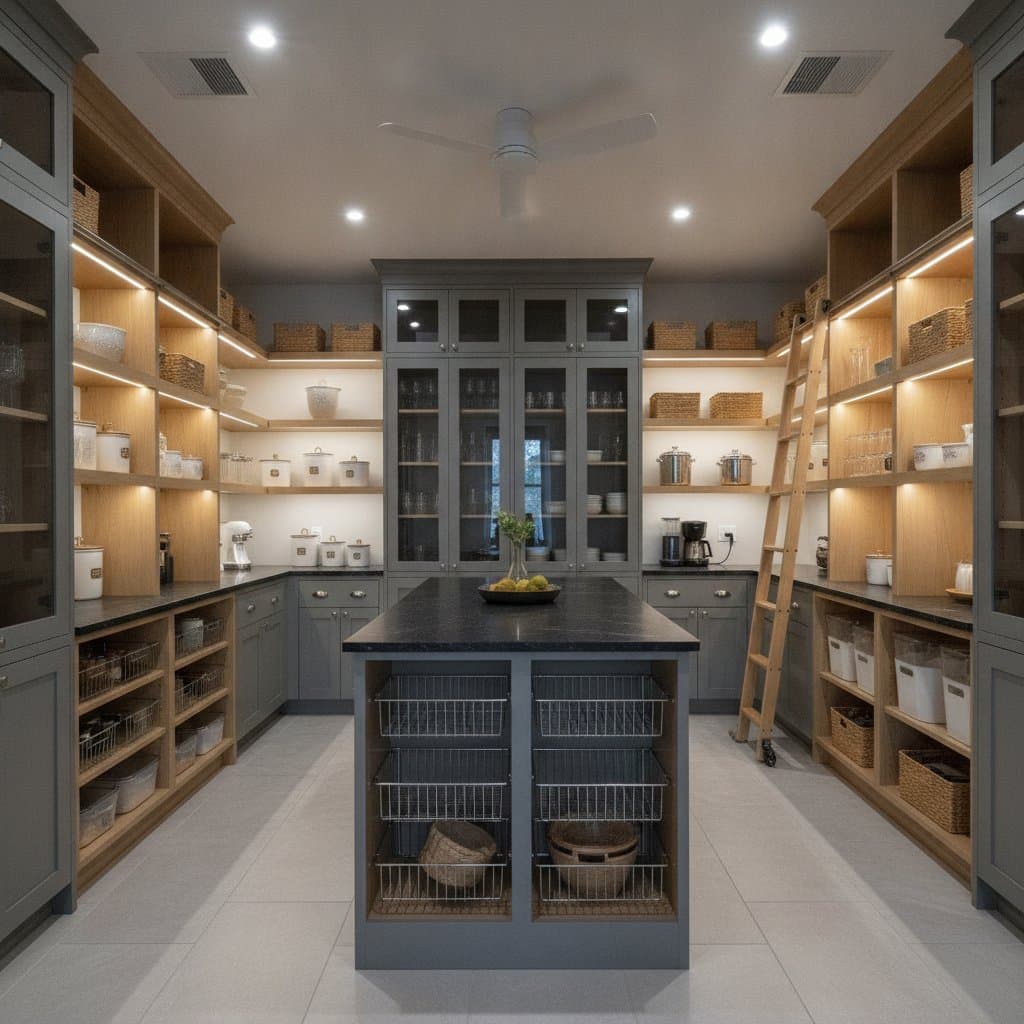
Several variables determine how much of the investment returns at sale. Regional buyer preferences play a major role. Homes in suburban markets often favor walk in pantries with custom shelving, while urban buyers may prioritize compact reach in designs that save floor space.
Material quality also affects the outcome. Solid wood or plywood construction lasts longer than particleboard and signals higher value to appraisers. Neutral finishes such as soft white or light oak coordinate with most kitchen styles and reduce the chance of a buyer requesting changes.
Labor costs vary by region and by the complexity of electrical or plumbing work. Adding a sink or dedicated climate control increases expense yet can raise the recovery rate when the pantry functions as a true butlers pantry.
Budget Ranges and Typical Project Scope
Basic reach in pantry remodels start around 2500 dollars and focus on new shelving, lighting, and paint. These projects usually recover closer to the 55 percent mark. Mid range walk in pantries with custom cabinetry and quartz countertops fall between 8000 and 15000 dollars and often achieve recovery near 65 percent.
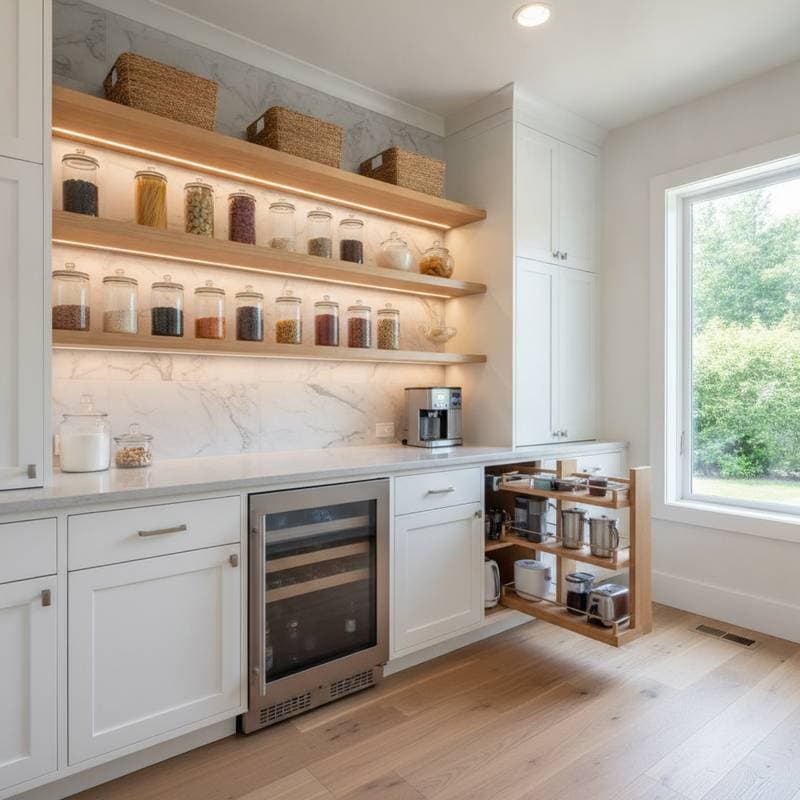
Higher end butlers pantries that include a prep sink, wine storage, and integrated appliances can exceed 25000 dollars. Recovery in this category reaches 70 percent only when the design matches the overall home price point and neighborhood expectations.
Planning Steps That Protect Your Investment
Measure the available space and note existing electrical outlets before selecting a layout. Sketch multiple configurations on paper to confirm that doors swing freely and that frequently used items remain within easy reach.
Choose adjustable shelving systems so future owners can adapt the space. Include at least one countertop height surface for small appliances or meal prep. Position lighting to eliminate shadows on lower shelves.
Coordinate hardware finishes with the main kitchen to create visual continuity. Consistent cabinet styles and countertop materials make the pantry feel like a natural extension rather than an afterthought.
Daily Organization Practices That Add Value
Install labeled bins for dry goods and designate zones for baking supplies, snacks, and small appliances. Deep drawers with dividers keep pots and lids together and reduce clutter on open shelves.
Review inventory every season and remove expired items. A pantry that stays orderly demonstrates ongoing utility to prospective buyers and supports the higher recovery percentages cited earlier.
Long Term Advantages Beyond Resale
A thoughtfully designed pantry reduces daily kitchen stress by keeping essentials visible and accessible. Families report fewer duplicate purchases and less time spent searching for ingredients. These practical gains continue long after the initial remodel expense is recovered at sale.