2026 Open Remodel Costs and Layout Strategies
Open floor plans continue to gain popularity among homeowners seeking expansive, connected living areas. In 2026, the average cost for an open remodel ranges from $50,000 to $150,000, depending on the home's size and location. Structural modifications, such as removing load-bearing walls, account for 40 to 60 percent of the budget, while finishing touches like cabinetry and flooring add the remainder. Prioritizing structure over style prevents costly errors, such as improper load distribution or inefficient utility rerouting, which can increase expenses by 20 to 30 percent. This guide outlines essential principles to create functional, cost-effective open spaces that enhance daily life.
1. Prioritize Structural Integrity from the Start
Problem: Rushing into aesthetic changes without assessing the building's framework leads to safety issues and budget overruns.
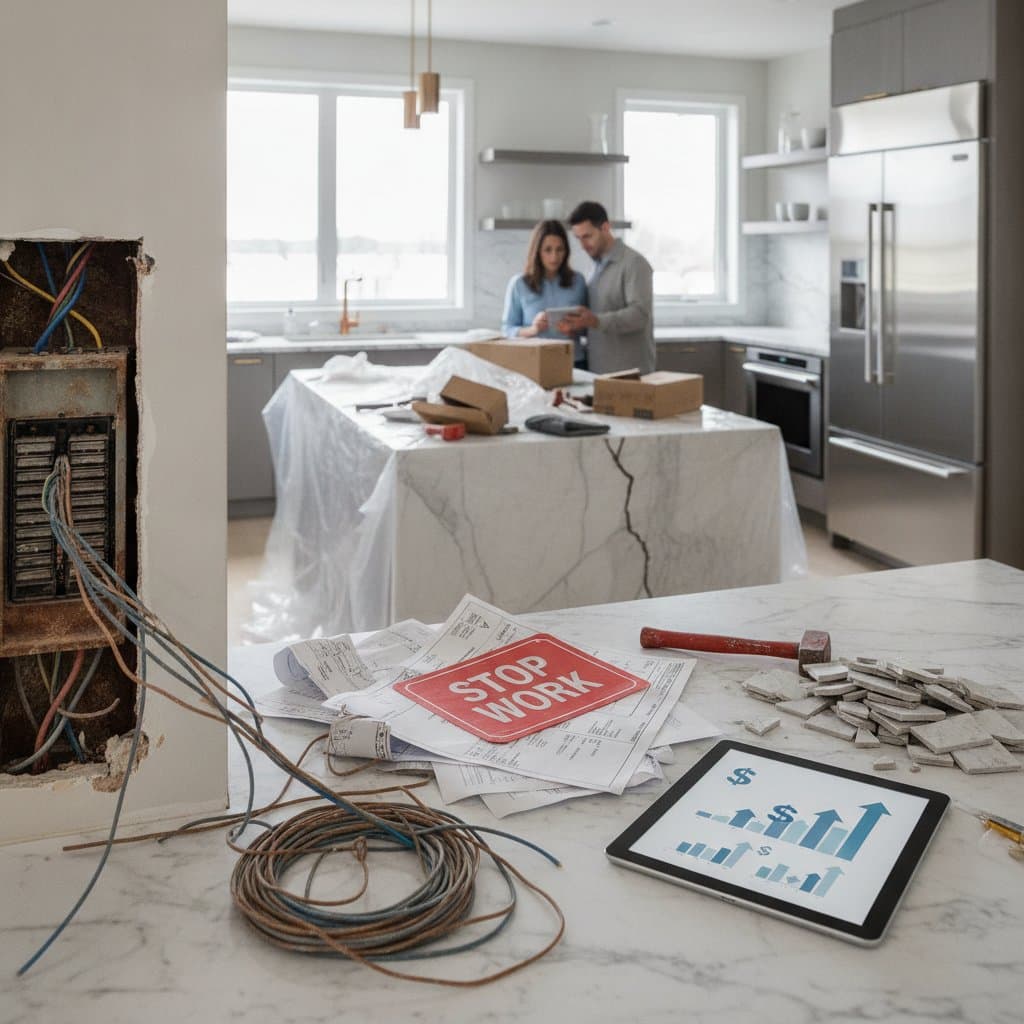
Context: A project where non-load-bearing walls were removed hastily resulted in sagging ceilings and required $20,000 in reinforcements.
Solution: Consult structural engineers early to identify load-bearing elements and plan reinforcements like beams or columns. Secure permits and conduct inspections before any demolition begins.
Technical Details: Steel I-beams typically span 20 to 30 feet and cost $100 to $300 per linear foot installed. Ensure footings support added loads in multilevel homes.
Benefit: A solid foundation allows for flexible design choices later, saving time and money while ensuring long-term durability.
2. Define Zones Even Without Walls
Problem: Open layouts often result in undefined areas that feel chaotic rather than inviting.
Context: In a recent remodel, the kitchen island merged visually with the living area, causing clutter accumulation and disrupted activities.
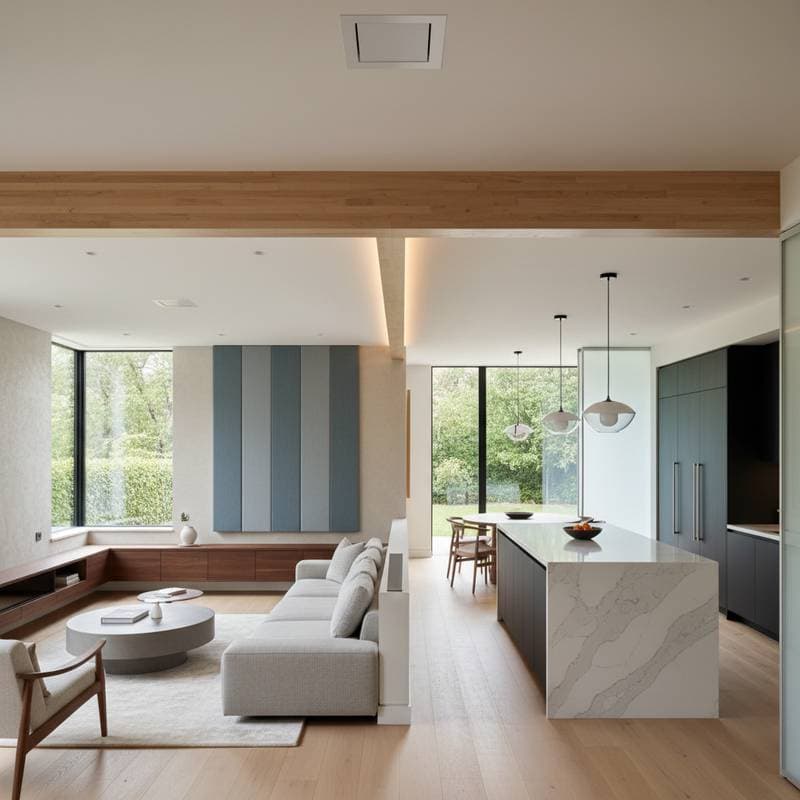
Solution: Employ ceiling treatments, flooring transitions, or strategic furniture arrangements to establish boundaries. For instance, install a dropped soffit above the kitchen or switch from tile to hardwood flooring to guide the eye.
Technical Details: Allocate at least three feet of clearance around islands and seating groups for easy movement. Incorporate area rugs or pendant light clusters to delineate spaces further.
Benefit: Clear zones preserve the airy feel of an open plan while promoting organization and comfort for everyday use.
3. Optimize Lighting for Brightness and Functionality
Problem: Poor lighting in open spaces creates shadows and diminishes the sense of expansiveness.
Context: Homeowners in a combined dining-living area struggled with dim evenings until layered lighting was introduced.
Solution: Combine natural light sources with artificial fixtures, such as recessed cans for general illumination and task lights over work areas. Use sheer curtains to maximize daylight without glare.
Technical Details: Aim for 100 to 200 lux in living zones and 300 to 500 lux in kitchens. Dimmable LED systems with warm color temperatures around 2700K enhance ambiance.
Benefit: Effective lighting highlights architectural features, reduces energy costs by up to 15 percent, and makes spaces feel larger and more welcoming.
4. Keep Acoustics Under Control
Problem: Hard surfaces in open areas amplify echoes, making conversations difficult and increasing noise fatigue.
Context: A client enjoyed the new open kitchen until echoes from family calls reverberated into the living room, disrupting relaxation.
Solution: Incorporate sound-absorbing elements like upholstered seating, heavy drapes, and wall panels. Layer area rugs on floors and consider textured ceiling finishes.
Technical Details: Select panels with a noise reduction coefficient of 0.7 or greater for optimal absorption. Avoid smooth, reflective surfaces in areas larger than 400 square feet.
Benefit: Managed sound levels foster peaceful environments, improving communication and overall enjoyment of shared spaces.
5. Manage HVAC Systems for Efficiency
Problem: Removing walls disrupts airflow, leading to uneven temperatures and higher utility bills.
Context: A merged living-dining space experienced hot spots in summer and drafts in winter after inadequate duct adjustments.
Solution: Redesign ductwork or install zoned systems to maintain consistent climate control. Position vents strategically to cover expanded areas without obstructing views.
Technical Details: Central systems for open plans require 1 to 1.5 tons of capacity per 400 square feet. Variable-speed units improve efficiency by 20 to 30 percent over standard models.
Benefit: Proper HVAC integration ensures comfort throughout the space, potentially lowering energy costs by 25 percent annually.
6. Plan Storage as Part of the Layout
Problem: Eliminating walls often eliminates built-in storage, resulting in cluttered open areas.
Context: After combining three rooms, a homeowner faced a lack of coat storage and overflowing surfaces.
Solution: Build storage into islands, benches, or along perimeter walls. Utilize vertical space with tall cabinets or shelving units that blend into the design.
Technical Details: Base cabinets measure 24 inches deep and 34.5 inches high, ideal for hidden storage. Custom millwork can match surrounding finishes for seamless integration.
Benefit: Integrated storage keeps surfaces clear, maintaining the clean aesthetic of an open layout while supporting practical needs.
7. Develop a Realistic Budget with Contingencies
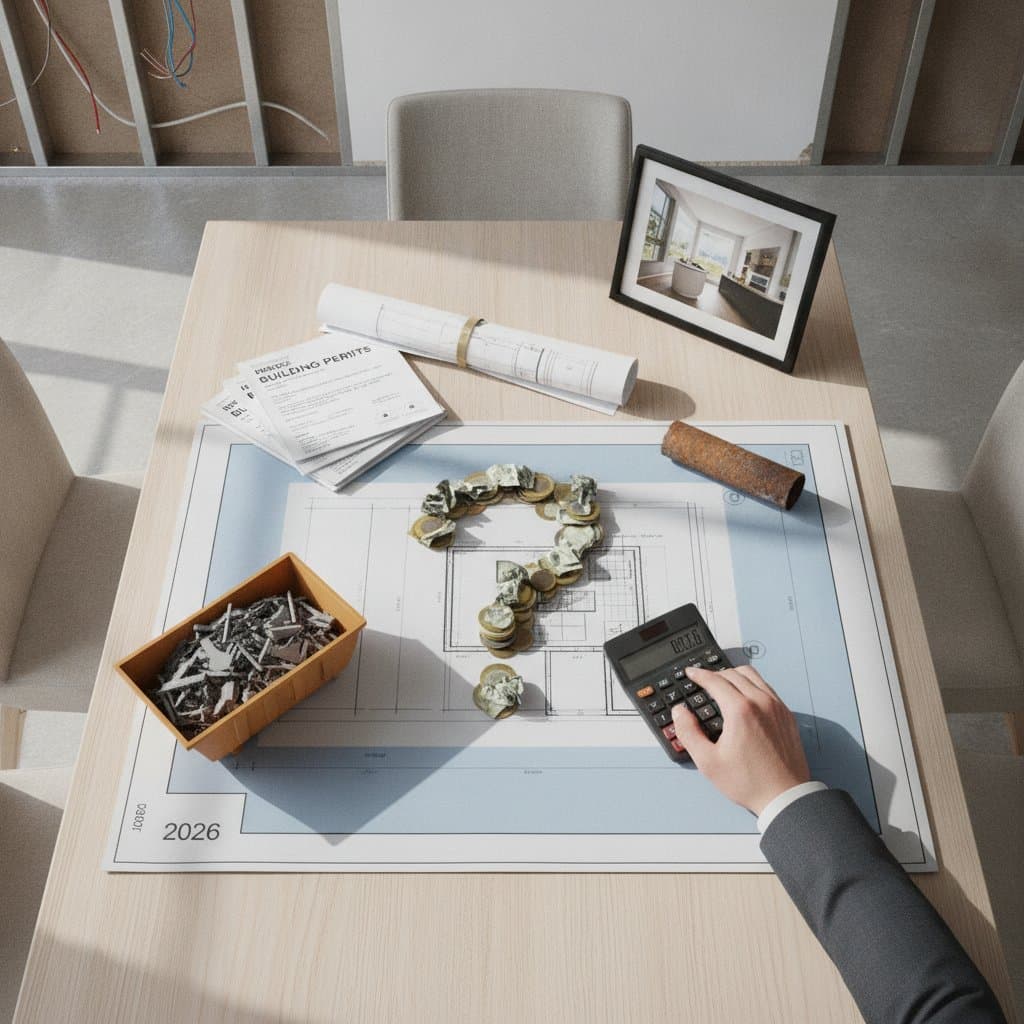
Problem: Underestimating costs for utilities, permits, and unforeseen issues leads to project delays or compromises.
Context: An open remodel exceeded budget by 35 percent due to overlooked plumbing rerouting in a kitchen expansion.
Solution: Allocate funds across categories: 50 percent for structure, 30 percent for systems, and 20 percent for finishes. Include a 15 to 20 percent contingency for surprises.
Technical Details: Track expenses with software or spreadsheets, prioritizing high-impact items like flooring at $5 to $10 per square foot. Obtain multiple contractor bids to compare.
Benefit: A structured budget keeps the project on track, allowing focus on quality without financial strain.
8. Balance Privacy and Connection
Problem: Excessive openness exposes private activities, reducing comfort in shared areas.
Context: A couple appreciated their layout until kitchen messes became visible from the front door, causing embarrassment during visits.
Solution: Install half-height walls, frosted glass dividers, or freestanding screens to provide separation without blocking light.
Technical Details: Barriers around 42 inches tall effectively separate zones while permitting visual connection. Ensure materials transmit at least 70 percent of light.
Benefit: This balance supports social interaction alongside personal boundaries, enhancing usability for diverse household needs.
9. Ensure Smooth Traffic Flow
Problem: Poorly planned paths create bottlenecks in high-traffic open areas.
Context: In a family home, narrow passages around furniture led to frequent collisions and frustration.
Solution: Map primary routes from entry to key zones, maintaining wide corridors. Position furniture to guide movement naturally.
Technical Details: Designate 36 to 48 inches for main walkways and 24 inches for secondary paths. Test layouts with tape on floors before installation.
Benefit: Intuitive flow improves accessibility and safety, making the space more enjoyable for all occupants.
10. Think Ahead for Furniture and Traffic Flow
Problem: Ill-suited furniture disrupts harmony and functionality in expansive layouts.
Context: Oversized pieces in an open plan blocked views and crowded movement.
Solution: Scale furniture to the room's proportions and arrange in conversational groupings. Choose multifunctional items like storage ottomans to maximize utility.
Technical Details: Select sofas 80 to 90 inches long for living zones under 300 square feet. Anchor arrangements with rugs to define footprints.
Benefit: Thoughtful selection creates cohesive, adaptable spaces that evolve with lifestyle changes.
Achieving Lasting Value in Your Open Remodel
Implementing these strategies transforms an open remodel into a durable, efficient home feature. Homeowners who focus on structure and systems report higher satisfaction and property value increases of 10 to 15 percent. Consult professionals throughout to tailor the plan to your specific needs, ensuring the final result aligns with both vision and practicality.