
2026 Biophilic Kitchens: A Revolution in Natural Design
Design platforms show a clear surge in nature-inspired kitchen remodels over recent months. Homeowners increasingly select living textures, organic materials, and subtle colors that reflect the natural world. This shift marks the transformation of biophilic design from an environmental niche to a widespread movement in residential spaces.
The appeal lies in creating kitchens that feel vibrant and nurturing. These areas support daily routines while promoting a sense of calm and connection. The following examples highlight eight distinct biophilic kitchens, ranging from city dwellings to seaside homes. Each illustrates the seamless integration of nature and functionality.
1. Forest Retreat
Location: Seattle, Washington
Designer: Evergreen Designs
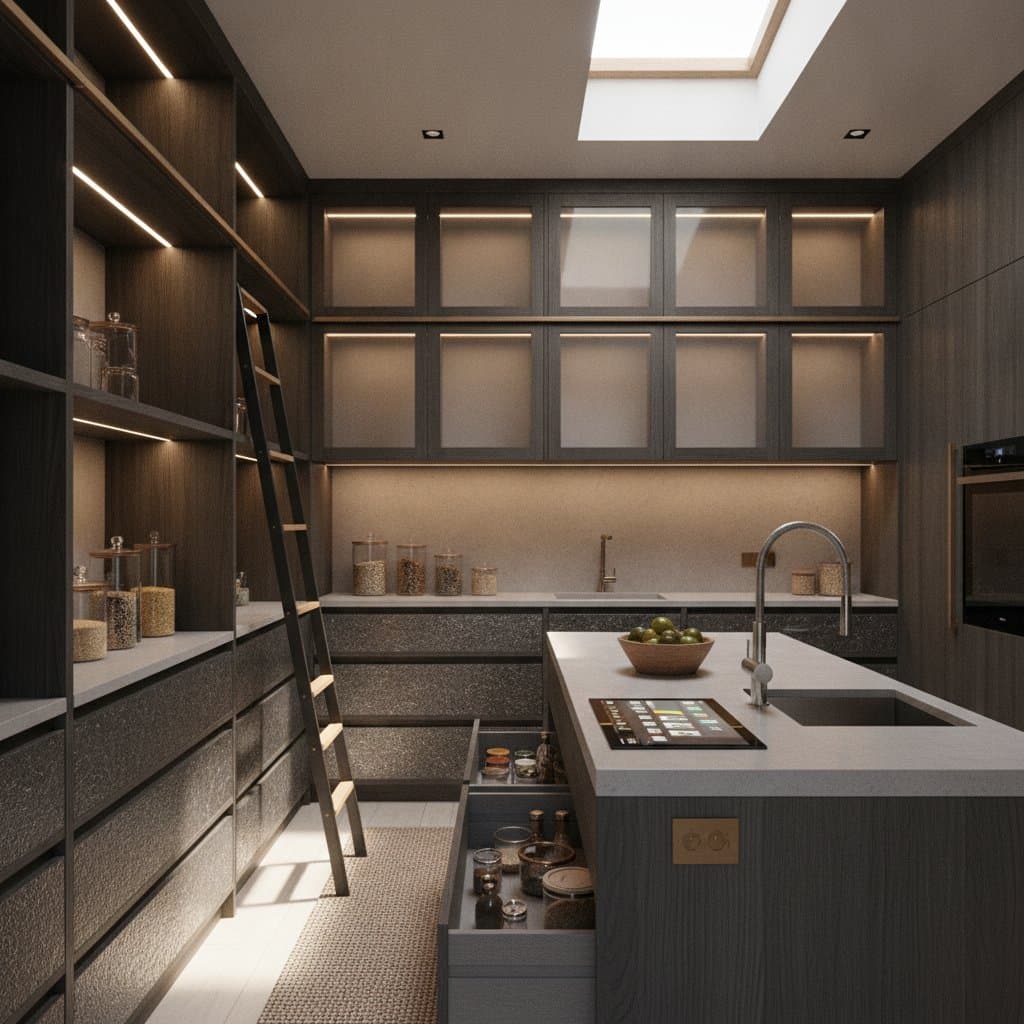
Deep green cabinetry made from reclaimed fir wood anchors this kitchen, paired with soapstone counters that develop a soft patina over time. A built-in herb garden along one wall provides fresh ingredients and visual interest. Skylights above the island allow dappled light to filter through, mimicking a woodland canopy. Evergreen Designs focused on sustainability for a family passionate about hiking. The outcome delivers a grounded, invigorating space ideal for morning coffee rituals.
2. Coastal Calm
Location: Santa Barbara, California
Designer: Studio Isla
Accordion glass doors connect this kitchen to the adjacent garden, dissolving boundaries between interior and exterior. Bleached oak cabinetry and white quartzite countertops maintain an airy feel. A wall of potted succulents behind the breakfast bar serves as a dynamic backdrop that diffuses sunlight. Studio Isla tailored the layout for a family that enjoys ocean-inspired living and al fresco dining. The design achieves a modern yet enduring quality, infusing the home with refreshing coastal energy.
3. Earthy Elegance
Location: Austin, Texas
Designer: Terra Interiors
Warm terracotta tiles form the floor, complementing matte walnut cabinets and limestone counters with subtle veining. Open shelving displays artisanal pottery alongside potted air plants. Recessed lighting highlights the textures without overwhelming the space. Terra Interiors aimed to evoke the Texas hill country within an urban residence. This approach results in a kitchen that balances rustic warmth with refined simplicity, perfect for gathering and casual meals.
4. Urban Oasis
Location: Chicago, Illinois
Designer: Lara Deane Studio
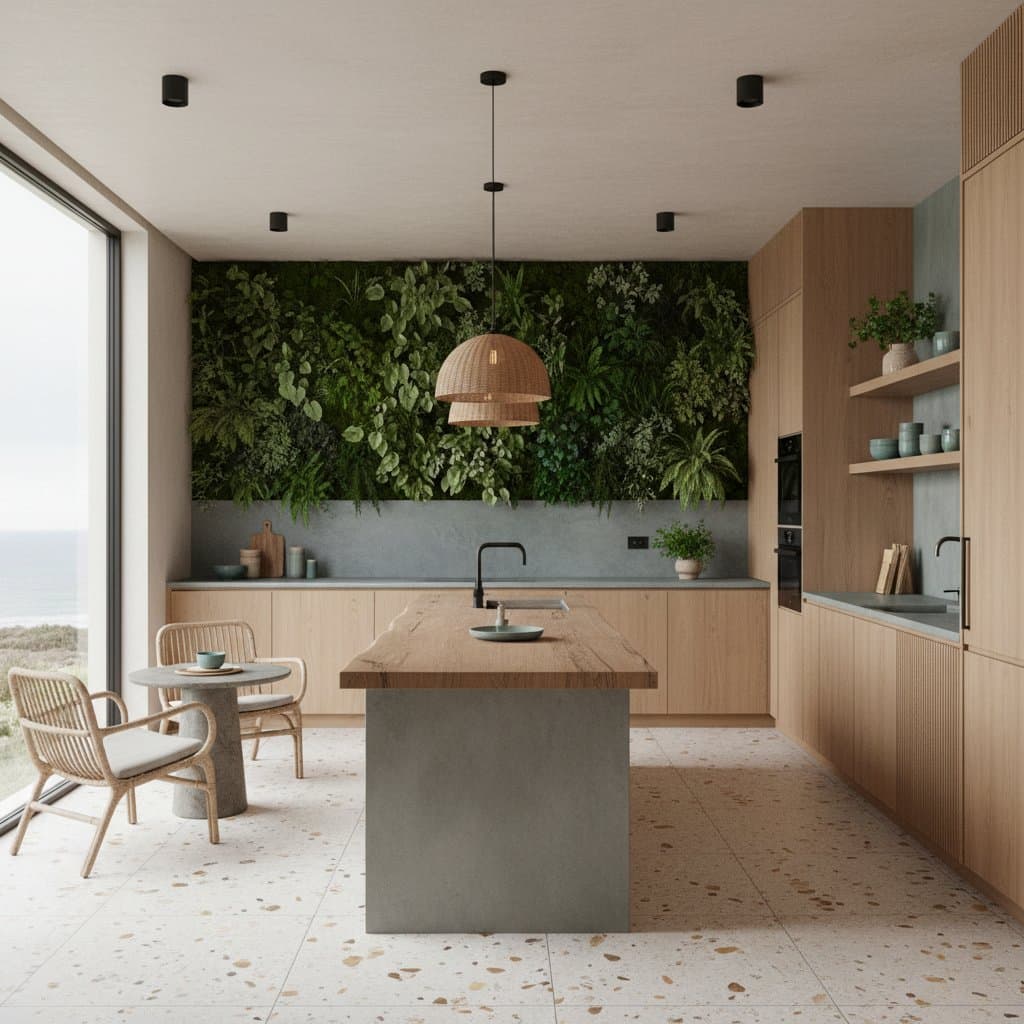
Walnut veneer cabinetry and matte black fixtures define this high-rise kitchen, enhanced by a living wall above the sink. The vertical garden tempers the urban skyline visible through large windows, fostering equilibrium between structure and nature. Integrated LED lights simulate natural daylight to sustain the plants and enhance ambiance. Lara Deane Studio prioritized accessibility in a compact city setting. The final space offers tactile comfort and unexpected tranquility amid the bustle.
5. Tropical Breeze
Location: Miami, Florida
Designer: Solstice Designs
Light teak cabinets pair with bamboo accents and recycled glass counters in this sunlit kitchen. Trailing vines drape from ceiling hooks, capturing humidity from cooking. Floor-to-ceiling windows invite tropical views and breezes. Solstice Designs incorporated humidity-resistant elements for a coastal climate. The design creates a vibrant, resort-like atmosphere that energizes daily use while honoring local flora.
6. Nordic Nurture
Location: Copenhagen, Denmark
Designer: Freja Holm Studio
Ash wood cabinetry provides gentle contrast to pale gray terrazzo counters embedded with white marble flecks. A horizontal window above the sink frames courtyard trees, drawing nature inward. Under-cabinet lighting delivers a diffused warmth after dark. Freja Holm Studio emphasized restraint and equilibrium in the minimalist layout. Natural elements infuse softness into the clean lines, demonstrating biophilic principles in Scandinavian style.
7. Meadow Serenity
Location: Asheville, North Carolina
Designer: Wildwood Atelier
Soft sage-painted walls meet oak cabinets with woven rattan fronts and butcher-block counters. Wildflower arrangements in vintage jars line the windowsill, adding seasonal color. Soft pendant lights cast a golden hue over the island. Wildwood Atelier drew inspiration from Appalachian meadows for a mountain home. The space radiates peaceful abundance, encouraging relaxed family interactions.
8. Botanical Luxe
Location: London, United Kingdom
Designer: Pippa Grey Interiors
Emerald glazed tiles rise along the backsplash, offset by calacatta gold marble counters beneath antique brass pendants. Indoor ferns perch on floating oak shelves, bathed in light from a nearby window. Pippa Grey Interiors blended townhouse sophistication with conservatory vitality. The kitchen exudes lush refinement, showing how biophilic elements elevate urban luxury without rustic excess.
Incorporate Natural Elements into Your Kitchen
Full renovations require significant investment, yet biophilic principles adapt to modest updates. Focus on incremental changes that build layers of texture and life. These strategies provide starting points for any space.
- Select authentic materials. Replace laminate with solid wood panels or stone accents. A simple oak tray for spices introduces warmth immediately.
- Add vertical greenery. Install shelves for low-maintenance plants like ivy or echeveria. Position them near sinks where moisture aids growth.
- Experiment with earthy palettes. Apply sage green to an accent wall or select neutral-toned grout for tiles. These choices promote relaxation without overwhelming the room.
- Optimize illumination. Install dimmable fixtures that emit 2700K warm light. Layer sources to replicate sunrise and sunset shifts.
- Integrate soft fabrics. Choose woven baskets for storage or linen runners on counters. These items absorb sound and add subtle pattern.
- Enhance functionality with nature. Opt for ergonomic wooden utensils or stone mortars. Such tools connect preparation to natural origins.
Small additions accumulate to create cohesion. Observe how each element interacts with light and use to refine the overall effect.
Maintain and Evolve Your Biophilic Space
Biophilic kitchens develop character through interaction, with plants expanding and surfaces aging gracefully. This evolution reinforces the design's intent: a responsive environment. Regular attention ensures longevity and vitality.
- Tend to foliage consistently. Water based on plant needs and trim to encourage fullness. Rotate positions for even light exposure.
- Preserve material integrity. Apply food-safe oil to wooden surfaces quarterly. Clean stone with mild solutions to retain natural sheen.
- Adapt lighting to seasons. Increase brightness in winter and soften in summer. This alignment sustains comfort year-round.
- Reassess layout annually. Shift plants or accents to reflect changing routines. Flexibility keeps the space feeling fresh and personal.
This design philosophy endures because it aligns with human needs for balance and renewal. Embracing biophilic elements cultivates not just a kitchen, but a sanctuary that nurtures well-being over time.