
2026 Remodels That Maximize Your Home's Resale Value
Imagine walking through your home and seeing every space not only as it is, but as it could be. The kitchen that feels a little dated. The bathroom that could use a refresh. The backyard that might finally become the outdoor retreat you have always wanted. These updates do more than make your home more enjoyable to live in. They also strengthen its resale value when the time comes to sell.
When planning a remodel, the smartest strategy is to think like both a homeowner and a future buyer. The goal is to create spaces that feel personal yet universally appealing. You want each improvement to make daily life easier, cleaner, and more beautiful.
Kitchen Updates for Everyday Appeal
Kitchens remain the most influential space for resale. Focus on durable surfaces and efficient layouts rather than trendy gadgets.
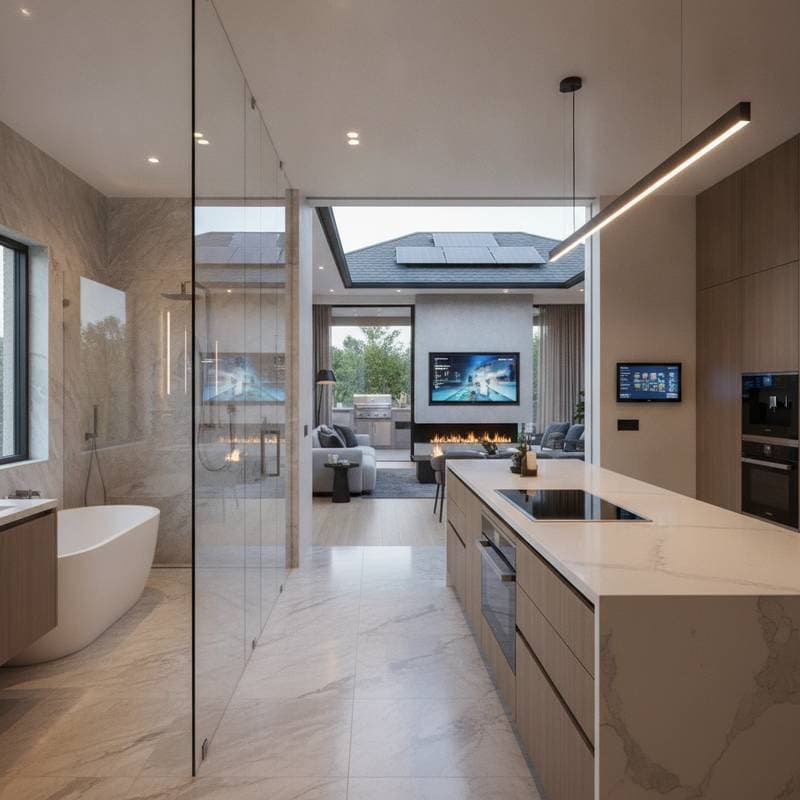
Install quartz or granite countertops in light neutral tones. Replace builder-grade cabinets with shaker-style doors in soft gray or white. Add a center island with seating if the floor plan allows. Under-cabinet lighting and a new backsplash in subway tile complete the refreshed look.
Choose appliances in stainless steel or black stainless finishes. These choices appeal to buyers who want modern function without high maintenance.
Bathroom Upgrades That Feel Spa-Like
Buyers often remember bathrooms that feel serene and well cared for. A full remodel is not always necessary. Start with the elements that deliver both visual and functional impact.
Replace old tile with large-format porcelain or ceramic in soft, calming tones. A floating vanity can make a small bath feel more open, while a frameless glass shower enclosure adds instant luxury. Heated floors, though a splurge, are a feature that many buyers appreciate on chilly mornings.
If space allows, consider adding a double vanity or a walk-in shower with a built-in bench. Choose plumbing fixtures in brushed nickel or black for a contemporary touch that resists fingerprints and wear.
Energy Efficiency and Smart Home Features
Energy-efficient upgrades are expected by many buyers. Swapping old windows for double-pane models, improving insulation, and replacing an aging HVAC system can improve comfort and lower utility bills.
You might also install a smart thermostat, video doorbell, and efficient lighting controls. These upgrades appeal to buyers who appreciate convenience and cost savings.
When choosing smart technology, select systems that integrate easily with common platforms so new owners can customize them without hassle. Functionality and simplicity matter more than novelty.
Open Floor Plans With Thoughtful Zoning
While fully open layouts remain popular, buyers also value defined zones for work, relaxation, and dining. If your home has a series of small, disconnected rooms, consider removing a non-load-bearing wall to create a more spacious feel.
At the same time, use design elements like area rugs, lighting, or partial walls to define each area. This approach keeps the home functional for both entertaining and daily routines.
Natural light plays a big role here. Where possible, widen interior doorways or replace solid doors with glass panels to let light flow through.
Outdoor Living That Extends the Home
Outdoor spaces have become just as important as indoor ones, especially for entertaining and relaxation. A deck, patio, or covered seating area creates a natural extension of the living space.
You might add a simple outdoor kitchen with a built-in grill and countertop, or a fire feature for cooler evenings. Even smaller upgrades, like a well-defined seating area with durable furniture and soft outdoor lighting, can make a strong impression.
Landscaping also influences resale value. Keep plantings tidy and low maintenance. Consider native species for easy care and sustainability.
Entryways That Make a Statement
First impressions carry weight. Your entryway sets the tone for the rest of the home, and small changes here can deliver big value returns.
Replace an outdated front door with a solid wood or steel model in a color that complements the exterior. Upgrade exterior lighting to highlight architectural features and improve safety. Inside, add a built-in bench, hooks, or cubbies to organize shoes and bags.
A clear, welcoming path from the street to the front door, framed by healthy plants and proper lighting, signals that the home is well cared for.
Basement Conversions and Flexible Spaces
More buyers are looking for homes that support multiple lifestyles. A finished basement, attic, or bonus room can provide extra living space without the cost of an addition.
Think about flexibility when planning these areas. A lower-level family room, home gym, or guest suite can adapt to a buyer's changing needs. Include proper insulation, flooring, and lighting to make the space feel like a true extension of the home.
If ceiling height is limited, choose lighter colors and recessed lighting to visually lift the space. Built-in storage helps keep things organized and maximizes functionality.
Neutral Finishes With Personality
Buyers tend to connect more easily with homes that feel inviting yet neutral enough to make their own. When updating finishes, strike a balance between timeless style and subtle character.
Opt for warm, neutral paint colors in living areas, and choose flooring that transitions smoothly from room to room. Light wood tones or luxury vinyl planks in natural hues appeal to a wide audience and hold up well over time.
Small details like textured wall treatments, statement light fixtures, or a bold backsplash in a secondary space can add personality without alienating potential buyers.
Modest Additions With Clear Purpose
Large, expensive additions rarely return their full cost at resale, but smaller, purposeful expansions can pay off. A bump-out that enlarges a kitchen or adds a breakfast nook can increase usability and light.
Similarly, a small addition that creates a primary suite with an updated bath can make an older home more competitive with newer builds. The key is to maintain proportion and flow.
Work with a designer or architect to ensure consistent materials and finishes so that the result looks intentional and cohesive.
Low-Maintenance Materials That Last
Durability is a major selling point. Buyers appreciate homes that look beautiful and require minimal upkeep. When choosing materials, prioritize those that stand up to daily wear.
Quartz countertops, composite decking, fiber-cement siding, and luxury vinyl flooring are all examples of materials that balance style with resilience. These options resist stains, fading, and moisture better than many traditional surfaces.
Enjoying the Results
Once your remodels are complete, take time to enjoy the improvements rather than viewing them only as resale tactics. A well-planned renovation enhances daily life long before you list your home.
When the day comes to sell, you will have a home that looks appealing and tells a story of thoughtful design and smart investment.