
Understanding Kitchen Refacing Costs in 2025
Homeowners often face the dilemma of outdated kitchens that demand attention. Worn cabinetry can diminish the appeal of this central space, prompting decisions between minor cosmetic fixes and extensive overhauls. Kitchen refacing emerges as a practical solution, providing a refreshed appearance while preserving the existing framework.
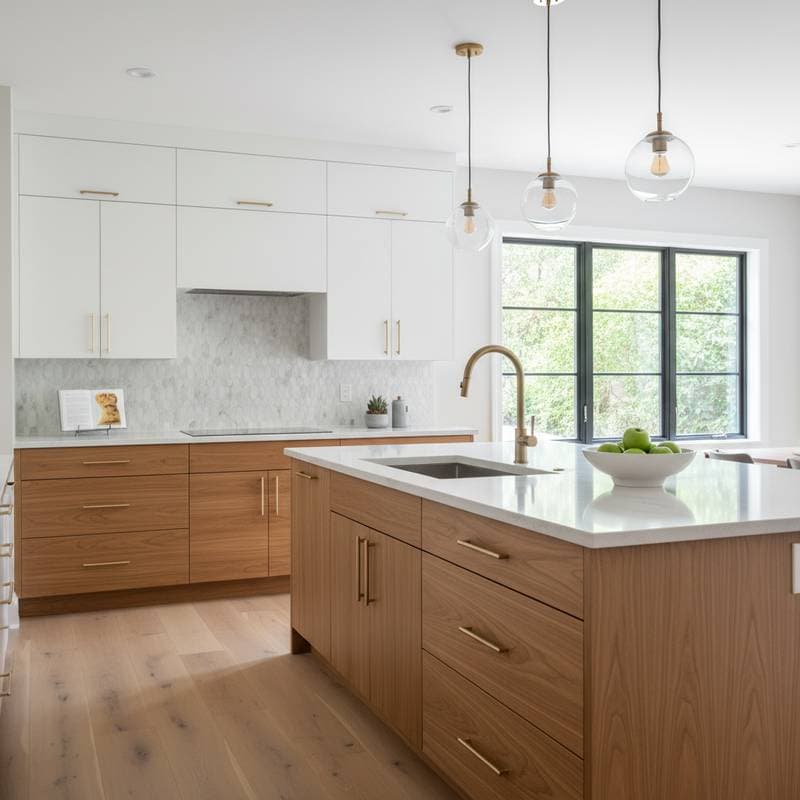
This approach involves replacing cabinet doors, drawer fronts, and veneers on boxes, along with updated hardware. It delivers substantial visual improvements without the need for structural changes. In 2025, refacing stands out for its balance of affordability and efficiency, particularly as material costs stabilize and labor efficiencies improve.
Breaking Down the Expenses
Refacing costs depend on kitchen size, material quality, and regional labor rates. For a standard 200-square-foot kitchen, expect to invest between 3,000 and 7,000 pounds for professional installation. This range covers essential components and ensures a durable result.
Key expense categories include:
- Cabinet doors and fronts: Typically 40 to 60 percent of the total, with laminate options starting at 1,500 pounds and solid wood reaching 4,000 pounds.
- Veneer application: Adds 500 to 1,500 pounds to cover existing boxes, using materials like maple or thermofoil for seamless integration.
- Hardware upgrades: Hinges, pulls, and soft-close mechanisms contribute 300 to 800 pounds, enhancing functionality.
- Labor and finishing: Professional teams charge 1,000 to 2,500 pounds, completing work in three to five days with minimal site preparation.
Compared to full replacements, which range from 10,000 to 25,000 pounds including demolition and installation, refacing reduces expenses by up to 50 percent. It also avoids hidden costs such as plumbing relocations or floor reinforcements.
Comparing Refacing to Full Replacement
Selecting the right upgrade method requires evaluating your kitchen's condition and goals. Refacing suits scenarios where the core structure remains sound, offering a streamlined path to modernization.
Opt for refacing when:
- Cabinet frames show no signs of water damage or warping.
- The current layout supports daily workflows effectively.
- Budget constraints favor quicker, less invasive projects.
- Aesthetic updates align with existing dimensions.
Choose full replacement for:
- Severely compromised cabinets requiring total disassembly.
- Layout modifications, such as island additions or appliance relocations.
- Radical style shifts incompatible with surface-level changes.
Assess structural integrity first through a professional inspection. Solid foundations ensure refacing delivers long-term stability and satisfaction.
Selecting Durable Materials
Material choices influence both aesthetics and performance. Veneers provide a cost-effective wood-like finish, ideal for contemporary designs, while solid wood offers premium resilience against daily wear.
Laminate surfaces resist stains and scratches, making them suitable for high-traffic areas. Consider thickness and edge banding for enhanced durability. For sustainability, select FSC-certified woods or recycled laminates to minimize environmental impact.
Timeless colors like soft whites, greiges, and muted earth tones maintain broad appeal. Test samples under kitchen lighting to confirm harmony with countertops and flooring. Prioritize finishes with low-VOC coatings to promote indoor air quality.
Benefits Beyond Cost Savings
Refacing extends advantages in efficiency and ecology. Projects conclude swiftly, often within a week, allowing continued use of the space and reducing reliance on temporary setups.
Environmentally, it repurposes 70 to 80 percent of existing materials, diverting waste from landfills. This aligns with growing preferences for green renovations, potentially qualifying for local incentives.
Flexibility allows integration with targeted enhancements, such as LED under-cabinet lighting or pull-out organizers. These additions amplify usability without escalating complexity.
Maintaining and Enhancing the Refresh
Post-installation care preserves the investment. Wipe surfaces with mild soap solutions weekly to prevent buildup. Inspect hardware quarterly, lubricating hinges to ensure smooth operation.
Integrate complementary updates like quartz backsplashes or matte black faucets to elevate cohesion. Track usage patterns to identify opportunities for further organization, such as lazy Susans in corner cabinets.
Regular upkeep extends the lifespan to 10 to 15 years, maximizing return on investment. Homeowners report 60 to 75 percent ROI through increased resale value, as updated kitchens appeal to buyers seeking move-in readiness.
Realizing Lasting Value
Kitchen refacing transforms functional spaces into inviting hubs without overwhelming commitments. It demonstrates that meaningful change arises from strategic preservation rather than complete renewal.
Evaluate your kitchen's potential today. With careful planning, this method unlocks enhanced daily living and future equity, turning routine moments into sources of pride.