

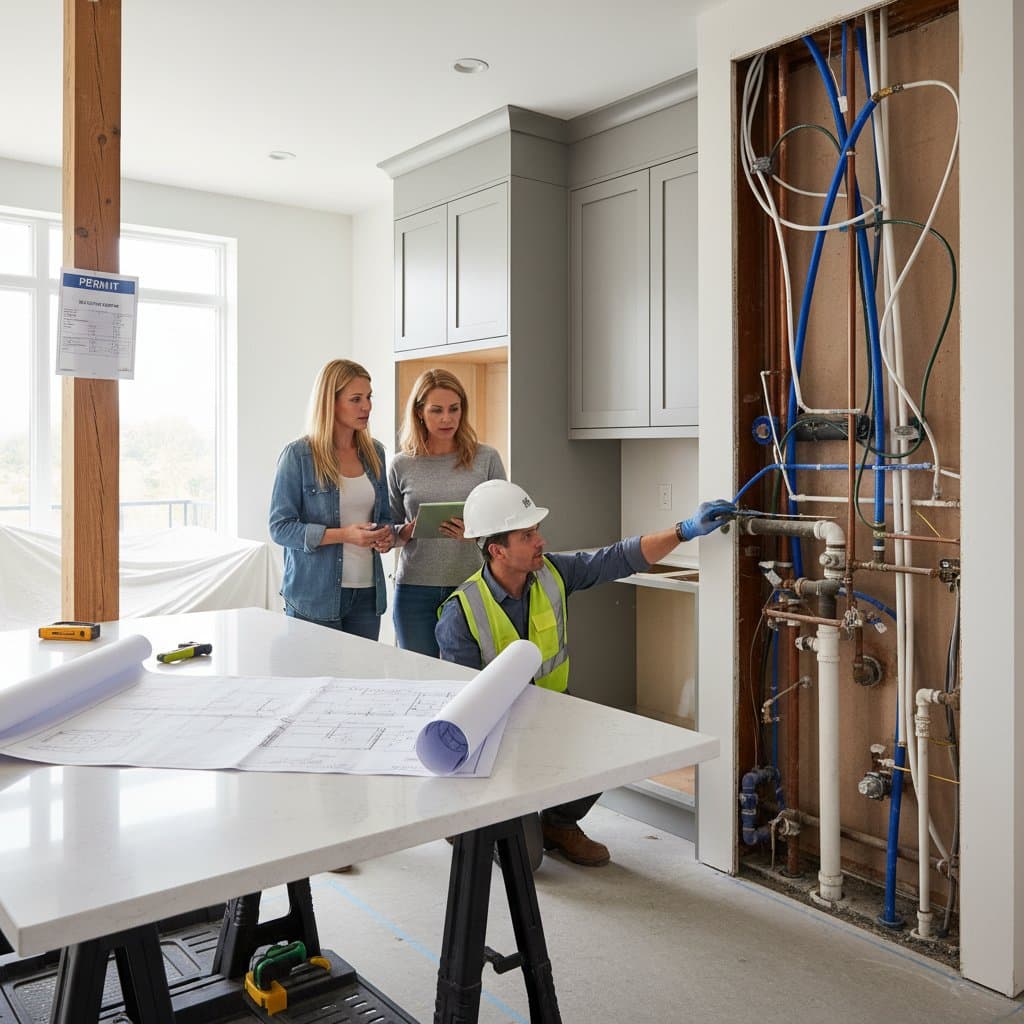
2025 Kitchen Remodel: Unseen Expenses Revealed
Enter a newly renovated kitchen, and observe the diverse styles on display. Minimalist designs coexist with rustic elements, while many prioritize modern functionality. However, behind this aesthetic diversity exists a universal reality: kitchen remodeling expenses seldom align with preliminary projections. Detailed budgets often falter during demolition or material delivery. Professional foresight, though, minimizes disruptions. The guidelines below expose the concealed costs that surprise numerous homeowners, along with methods to foresee them and maintain project momentum.
1. Rule One: Account for Demolition Discoveries
Problem: Demolition uncovers issues such as outdated wiring, mold, or structural weaknesses that demand immediate attention and inflate costs.
Context: A homeowner planned a straightforward cabinet removal, only to find water-damaged subflooring from a prior leak. Repairs involved replacing joists and installing new underlayment, doubling the initial demolition allocation.
Solution: Conduct a pre-demolition inspection with a structural engineer or experienced contractor. Review historical records for past modifications. Allocate 10 to 15 percent of your budget for unforeseen repairs.
Technical Detail: Older homes may contain asbestos in insulation or lead in pipes, requiring specialized abatement. Load-bearing walls necessitate temporary supports during alterations, followed by beam installations for stability.
Outcome: Early detection preserves structural integrity and prevents escalation from minor fixes to major overhauls.
2. Rule Two: Factor in the True Cost of Moving Utilities
Problem: Relocating sinks or ranges to accommodate fresh layouts underestimates expenses for rerouting plumbing, gas, or electrical systems.
Context: A client envisioned an island cooktop oriented toward the dining space. The design appeared ideal in sketches, yet the concrete slab foundation rendered gas line extension excessively costly. They opted for an electric alternative, necessitating a dedicated circuit and panel enhancement.
Solution: Prior to approving layouts, verify existing utility paths and relocation demands. Request a rough-in diagram from your contractor. For major fixture shifts, reserve funds for excavation, surface restoration, and compliance verifications.
Technical Detail: Gas installations demand certified professionals and pressure evaluations. Electrical modifications might require panel expansions to handle extra circuits. Plumbing relocations frequently involve subfloor incisions or concrete breaches, succeeded by resurfacing and alignment.
Outcome: Thorough preparation aligns layout aspirations with fiscal limits. Homeowners discern in advance if features like island sinks or wall ovens justify incremental investments.
3. Rule Three: Budget for Custom Cabinetry and Hardware
Problem: Standard cabinet quotes overlook custom sizing, soft-close mechanisms, and specialty hardware that enhance usability but increase outlays.
Context: A project called for cabinets to fit an irregular wall niche. Standard units required modifications, including dovetail joints and pull-out organizers, which elevated costs beyond basic estimates.
Solution: Specify cabinet dimensions and features during design. Obtain quotes that detail millwork, finishes, and hardware. Consider semi-custom options to balance personalization with affordability.
Technical Detail: Custom cabinets involve precise measurements and on-site adjustments. High-end hardware, such as undermount slides, adds labor for installation. Finishes like lacquer demand controlled drying environments to prevent defects.
Outcome: Detailed budgeting yields durable storage solutions that optimize space without unnecessary expenditures.
4. Rule Four: Expect Countertop Surprises
Problem: Countertop estimates seem simple until production commences. Concealed charges emerge in cutouts, edge profiles, and material inefficiencies.
Context: In a quartz project, a client selected a waterfall edge with an integrated sink. Pattern alignment necessitated two additional slabs, substantially raising the final amount.
Solution: Upon material selection, secure a comprehensive fabrication estimate. Incorporate sink openings, backsplashes, and edge specifications. For veined patterns or extended edges, anticipate surplus material requirements.
Technical Detail: Slab dimensions differ among suppliers. Pattern continuity restricts cutting efficiency. Dense stone often needs reinforcement at projections, via steel supports or corbels, incurring material and installation fees.
Outcome: Full awareness of production expenses guarantees a countertop that appears purposeful and endures without structural failures.
5. Rule Five: Prepare for Lighting and Electrical Upgrades
Problem: Modern lighting schemes and smart features require extensive wiring updates, exceeding basic fixture costs.
Context: Installing under-cabinet LEDs and pendant lights revealed insufficient outlets and outdated wiring, prompting a full rewiring and ground-fault circuit interrupter additions.
Solution: Map electrical needs early with a licensed electrician. Include provisions for dimmers, sensors, and future-proofing like USB ports. Verify code compliance to avoid rework.
Technical Detail: Recessed lighting demands header boxes and junction access. Smart systems integrate low-voltage cabling, often concealed in walls. Overloads risk tripped breakers, necessitating subpanel additions.
Outcome: Proactive electrical planning delivers illuminated, connected spaces that function reliably over time.
6. Rule Six: Understand Appliance Installation Costs Beyond the Sticker Price
Problem: Appliance tags exclude setup, transport, or adaptations like dedicated circuits or exhaust systems. Users presume seamless integration.
Context: A client acquired a high-end range, discovering it needed a bespoke gas line and oversized hood. The panel required a breaker upgrade for the oven feature.
Solution: Examine installation specs per appliance prior to purchase. Consult electricians and plumbers for system compatibility. Incorporate transport, disposal, and connector expenses in projections.
Technical Detail: Premium ranges consume higher power or fuel volumes than standard units. Assess ampere demands and exhaust volumes. Integrated refrigerators often require tailored panels and reinforcement.
Outcome: Advance preparation eliminates urgent modifications, enabling safe, optimal appliance operation immediately.
7. Rule Seven: Anticipate Flooring and Tiling Expenses
Problem: Flooring selections ignore subfloor preparation, transitions, and waterproofing, leading to higher totals.
Context: Tile installation over uneven concrete required leveling compounds and membrane applications, transforming a modest flooring budget into a significant line item.
Solution: Evaluate subfloor conditions before material choices. Include underlayment, adhesives, and grout sealers in estimates. Opt for durable, low-maintenance options suited to high-traffic areas.
Technical Detail: Vinyl or hardwood needs acclimation periods to prevent warping. Tile layouts may involve diagonal cuts, increasing waste. Wet areas demand backer board and vapor barriers for moisture resistance.
Outcome: Comprehensive flooring planning creates seamless, resilient surfaces that withstand daily use.
8. Rule Eight: Permits, Inspections, and Design Revisions Have Real Costs
Problem: Even modest kitchen alterations can invoke permitting mandates. Postponements or supplemental checks accumulate time and fees.
Context: A homeowner incorporated recessed lights and a vent hood sans departmental notice. Upon home sale, the undocumented alterations complicated appraisals and necessitated retrospective clearances.
Solution: Verify local permitting obligations with authorities. Electrical, plumbing, and framework tasks invariably require oversight. Reserve funds for blueprint evaluations and verifications. Mid-project alterations may entail revised plans and renewed sanctions.
Technical Detail: Fees scale with project scope and locale. Verifications encompass framing, preliminary plumbing, electrical, and concluding assessments. Retain records for resale purposes.
Outcome: Compliant processes secure investments and uphold safety alongside quality benchmarks.
9. Rule Nine: Include Painting, Finishing, and Trim Details
Problem: Surface preparations and specialty finishes, like high-gloss cabinets or textured walls, add labor-intensive steps overlooked in initial plans.
Context: Painting after cabinet installation exposed the need for primer layers and trim matching, extending timelines and costs due to dust control measures.
Solution: Sequence finishing tasks post-construction. Select paints with mildew resistance for humidity-prone zones. Budget for professional application to achieve even coverage.
Technical Detail: Prep work involves sanding, caulking, and masking. Custom trims, such as crown molding, require precise miter cuts. Eco-friendly finishes may demand ventilation upgrades during curing.
Outcome: Meticulous finishing elevates aesthetics and protects surfaces from wear.
10. Rule Ten: Factor in Temporary Living Costs and Downtime
Problem: Budgets omit provisions for external dining, storage solutions, or interim cooking arrangements amid renovations. Kitchen inaccessibility may prolong beyond expectations.
Context: A family projected two weeks of disruption. Supply setbacks prolonged the phase, incurring extra expenditures on deliveries and a provisional setup.
Solution: Establish feasible timelines. Assemble a compact cooking area with microwave, brewer, and induction burner elsewhere. For extensive builds, explore leased accommodations or secure storage.
Technical Detail: Contractors supply schedules incorporating margins for approvals, curing intervals, and shipments. Organize essentials in protected containers to reduce interference.
Outcome: Advance readiness sustains routines and authority amid building activities.
Securing a Renovation Without Regrets
Concealed expenses extend beyond finances; they challenge endurance, choices, and flexibility. Approach the remodel as a collaborative build, not mere acquisition. Alterations propagate effects, from concealed conduits to overhead accents. Integrate practical buffers, foster contractor dialogue, and emphasize utility over trends to acquire more than aesthetics. Obtain a resilient, enduring environment integrated into lifestyle.
Look past polished exteriors and idealized visuals. Pose challenging inquiries promptly, maintain reserve funds, and recognize that minimal proposals rarely encompass all. A proficient kitchen transformation prioritizes anticipation, skill, and judicious choices to avert future burdens. Grasping these expenses empowers proactive remodeling, converting potential turmoil into a valuable enhancement of everyday existence.