
2026 Pantry Remodel ROI: Boost Your Kitchen Storage
Every kitchen tells a story. Some are sleek and minimal. Others are warm and packed with character. Yet behind every successful kitchen design lies one common thread. Functional storage determines how efficiently a kitchen works day to day. Homeowners often underestimate the return on investment a pantry remodel can deliver.
1. Start With Function, Not Style
Many homeowners begin by picking cabinet finishes or decorative shelving before considering layout. The key is to map out how the pantry will be used. Identify storage categories such as dry goods, small appliances, or bulk items. A minimum walkway of 36 inches allows comfortable access. Adjustable shelving between 12 and 16 inches deep suits most food containers. When function guides design, style choices fall naturally into place and every inch serves a purpose.
2. Prioritize Accessibility
Deep shelves often hide forgotten items that expire before being used. Use full-extension drawers or pull-out baskets. Vertical dividers for trays and cutting boards keep things visible and reachable. Mount pull-outs on heavy-duty slides rated for at least 75 pounds. This approach reduces waste, simplifies restocking, and makes the pantry accessible for all users.
3. Balance Open and Closed Storage
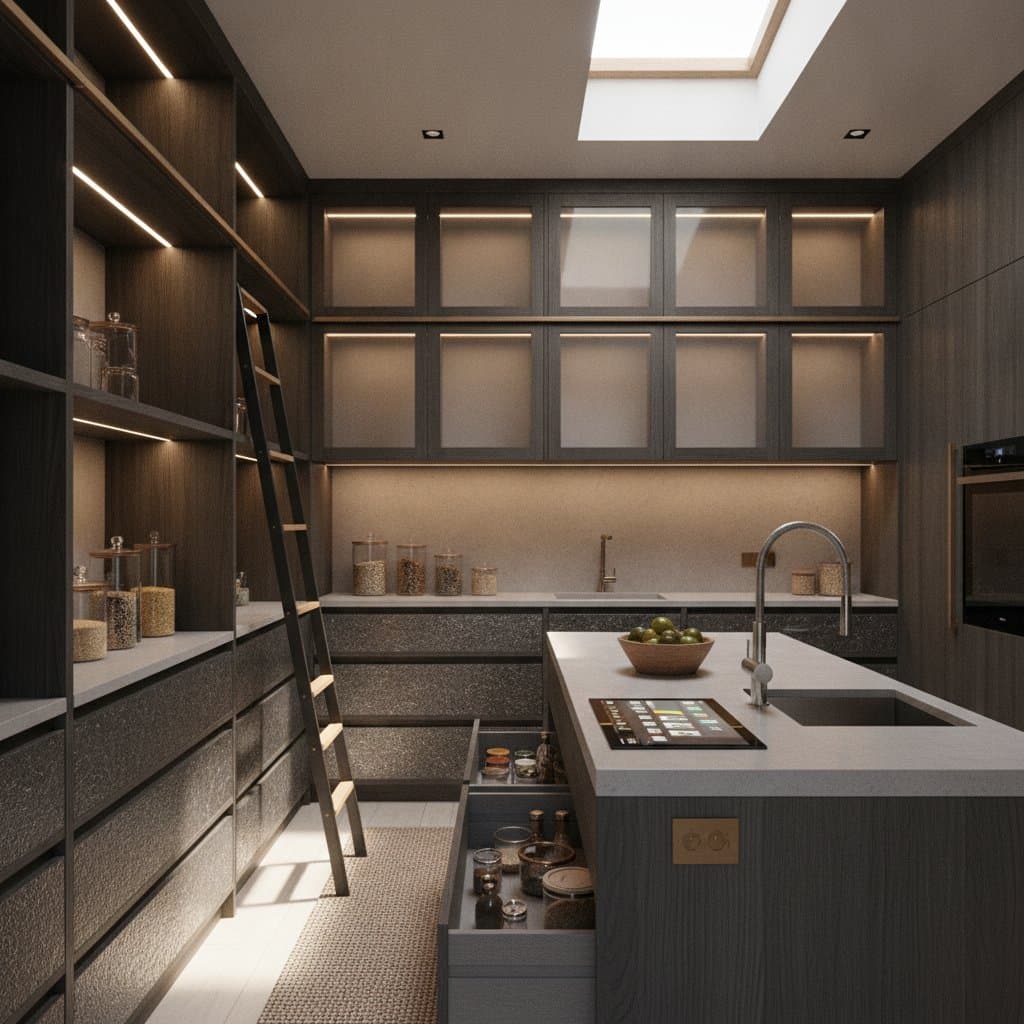
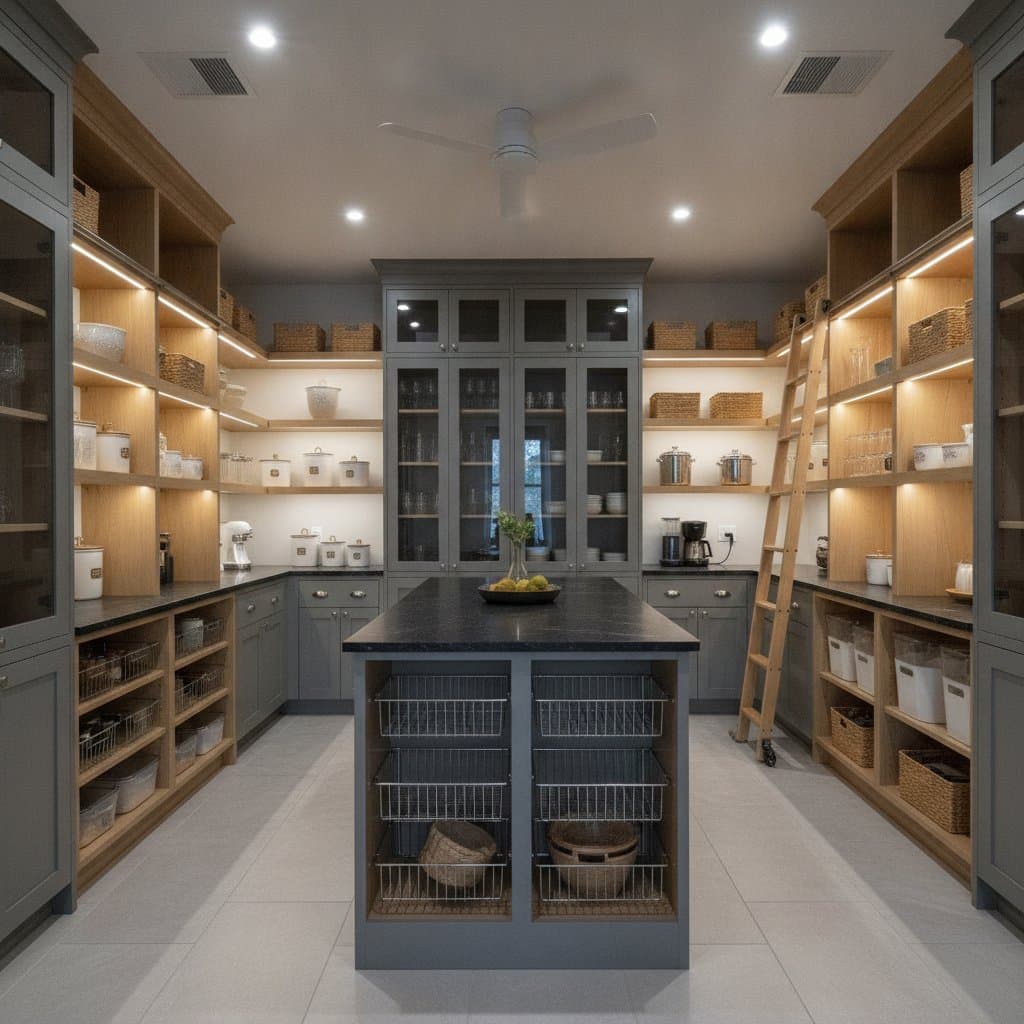
All open shelving can look cluttered. Fully closed cabinetry hides quick-grab items. Mix open shelves at eye level with closed cabinets below. Keep daily essentials within reach and bulk storage concealed. Use moisture-resistant MDF or hardwood plywood for cabinet construction. This maintains a clean appearance without sacrificing convenience.
4. Plan for Ventilation and Lighting
Pantries without airflow or proper lighting feel stuffy and dark. Add a small vent or louvered door for air circulation. Integrate LED strip lighting under shelves or inside cabinets. Warm light between 2700K and 3000K creates a natural tone that complements food colors. Better visibility and air movement extend shelf life and improve usability.
5. Design for Growth and Flexibility
Families evolve, and storage needs change. Include adjustable shelving and modular containers that can adapt to new habits. Use shelf pin holes spaced every 1 inch for easy adjustment. The pantry remains useful through lifestyle shifts without costly updates.
6. Use Durable, Easy-to-Clean Materials
Painted MDF or low-grade laminates can swell from humidity or spill damage. Choose melamine, sealed birch plywood, or powder-coated metal shelving. Apply a semi-gloss finish for wipeable surfaces. Surfaces stay looking fresh and resist long-term wear, protecting the investment.
7. Integrate Smart Storage Zones
Random shelf placement leads to inefficient use of space. Group areas by function. Create zones for baking, snacks, canned goods, or appliances. Install pull-out drawers below counter height for heavy mixers or rice cookers. Organization becomes intuitive, reducing clutter and saving time.
8. Consider Door Options Carefully
Swing doors eat into valuable kitchen space. Use pocket doors, sliding barn doors, or bifold systems that stay flush when open. Allow for a minimum clearance of 2 inches above the floor track on sliding systems. This gains accessibility without losing floor area, especially in compact kitchens.
9. Blend Design with the Main Kitchen
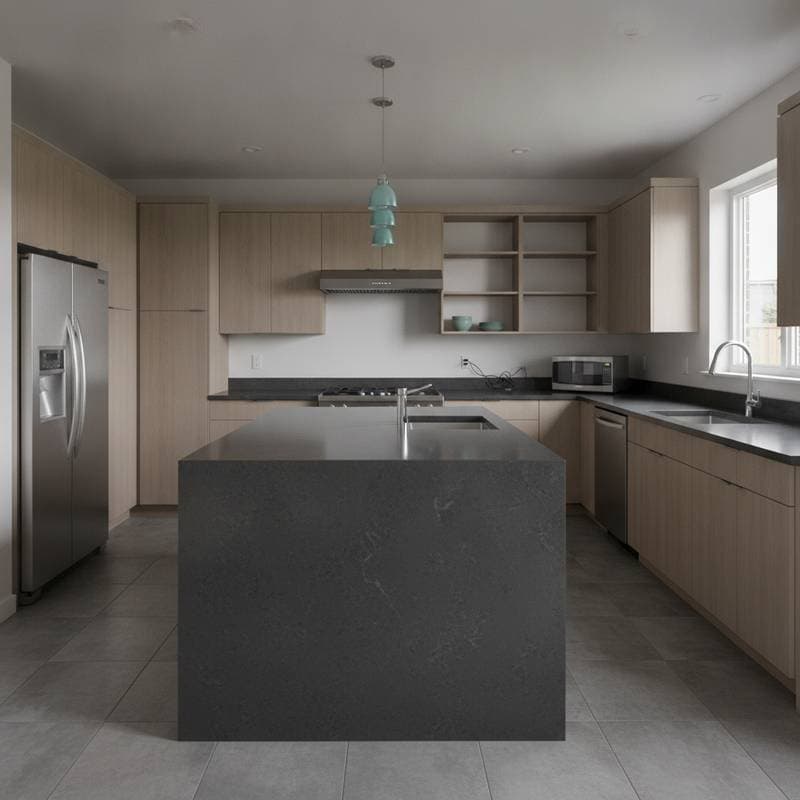
A pantry that feels disconnected from the kitchen looks like an afterthought. Match cabinet profiles, hardware, and color palette to the main kitchen scheme. Repeat the same countertop material on any prep surface inside the pantry. The space feels cohesive, which enhances resale appeal and perceived quality.
10. Measure ROI Beyond Dollars
Homeowners often judge remodel success only by resale numbers. Include practical value in the equation. A well-organized pantry saves time, reduces stress, and promotes healthier cooking habits. Expect an average storage increase of 30 to 50 percent when redesigning from standard shelving to a custom system. The return is not only financial but also functional, improving everyday living.
Maximizing Everyday Kitchen Efficiency
A pantry remodel does more than create tidy shelves. It changes how a kitchen works, feels, and supports daily routines. When each principle is applied thoughtfully, the outcome is a balanced space that rewards both daily use and long-term investment. Whether the choice is a compact reach-in or a full walk-in pantry, careful planning ensures kitchen storage performs beautifully for years to come.