Planning a Functional Pantry Remodel for Maximum ROI
Envision stepping into a pantry where every spice jar, canned good, and appliance has its designated spot, accessible with minimal effort. Such a space transforms meal preparation from a chore into a seamless process, while minimizing food waste and clutter in the broader kitchen area. For homeowners embarking on a 2026 pantry remodel, the focus lies in blending practicality with enduring appeal to secure substantial returns on investment.
A thoughtfully executed pantry upgrade often outperforms other kitchen modifications in cost-effectiveness. Homebuyers prioritize organized storage, viewing it as a sign of a well-maintained property. By integrating user-friendly features and versatile aesthetics, this renovation not only serves immediate needs but also elevates the home's overall market position.
1. Design an Efficient Layout
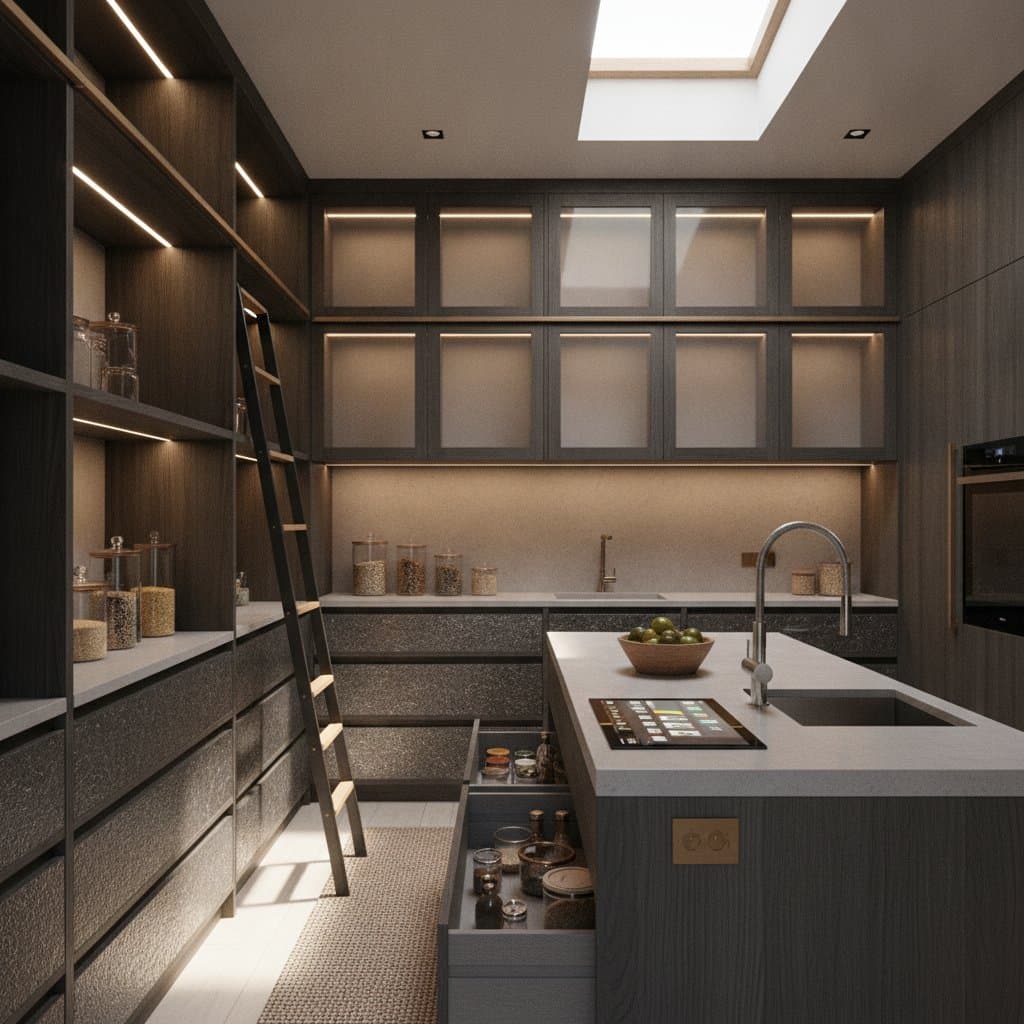
The foundation of a high-performing pantry begins with its layout, which must accommodate your household's habits while allowing flexibility for future changes. Assess the available space—whether a reach-in closet or a spacious walk-in—and map out zones for bulk items, daily essentials, and less frequently used goods.
For smaller pantries, incorporate corner carousels or lazy Susans to maximize accessibility without wasting inches. In larger designs, divide the area into upper shelves for lightweight items, middle sections for everyday reach, and lower pull-out bins for heavier loads. This zoning approach ensures intuitive navigation, reducing search time during busy cooking sessions and appealing to buyers who value efficiency.
Consider traffic flow by positioning the door to avoid bottlenecks. If the pantry connects directly to the kitchen, align entry points for smooth transitions, enhancing the sense of an integrated workspace.
2. Select Durable, Timeless Materials
Although tucked away, the pantry endures constant use, from frequent door openings to spills and humidity. Choosing resilient materials safeguards the investment and maintains a pristine appearance over time.
Opt for cabinet finishes that withstand daily handling: painted wood provides a cozy, adaptable look, while laminate or thermofoil delivers affordability without sacrificing style. Stick to neutral palettes like crisp white, muted gray, or warm wood tones to complement diverse kitchen themes.
For shelving, solid wood offers superior strength and natural charm, ideal for supporting heavy pots or appliances. Sealed melamine or plywood serves as a practical alternative, resisting moisture when properly finished. Include a compact countertop of quartz for durability during grocery unpacking or as a staging area for small devices; pair it with spill-resistant flooring such as porcelain tile or luxury vinyl plank for effortless upkeep.
These selections ensure the pantry remains inviting and functional, contributing to long-term value retention.
3. Implement Smart Organization Solutions
Effective organization turns chaos into order, making the pantry a joy to use. Beyond basic shelves, integrate systems that adapt to varying container sizes and usage patterns.
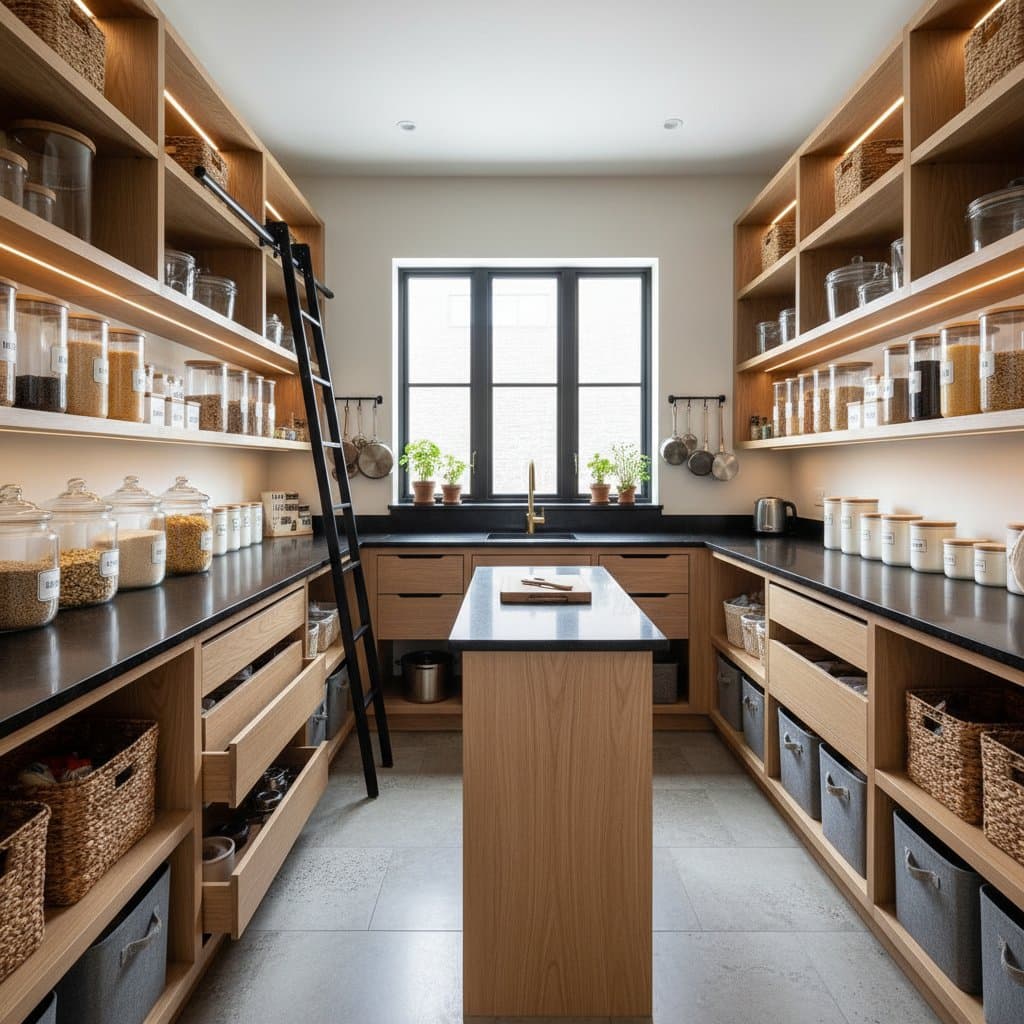
Install adjustable wire or wood racks that allow customization as storage needs evolve. Pull-out drawers with soft-close mechanisms prevent items from tumbling, while divided bins keep grains, snacks, and baking supplies neatly separated. Label everything clearly with chalkboard fronts or acrylic tags to facilitate quick inventory checks.
For vertical optimization, add door-mounted racks for spices or bottles, freeing up prime shelf space. In walk-in setups, include a dedicated section for recycling or bulk storage to promote mindful consumption. These features not only streamline routines but also demonstrate thoughtful design to potential buyers, signaling a home built for modern living.
4. Illuminate for Functionality and Appeal
Adequate lighting elevates a pantry from utilitarian to upscale, illuminating contents and expanding the perceived space. Poor visibility leads to overlooked expirations and frustration; strategic illumination counters this effectively.
Install recessed LED fixtures in the ceiling for broad coverage, supplemented by under-shelf strips that highlight individual tiers. Motion-activated sensors prove invaluable in deeper pantries, activating light upon approach to conserve energy and enhance convenience.
Select bulbs with a 2700K to 3000K color temperature for a soft, inviting glow that harmonizes with kitchen ambiance. This setup not only aids in spotting items swiftly but also imparts a premium feel, a detail that savvy homebuyers appreciate during inspections.
5. Incorporate Innovative Storage Features
To truly customize the pantry, weave in elements that address specific pain points, such as limited space or specialized needs. These additions amplify usability without overwhelming the budget.
Apothecary-style jars with uniform lids create a cohesive, professional look while preserving freshness. Tiered risers on shelves bring forward-row items into view, eliminating the need to dig. For families, consider integrated step stools or lower cabinet dividers tailored for children's snacks.
If space permits, embed a slim wine rack or appliance garage to consolidate rarely used tools. Such targeted innovations foster a sense of personalization, yet their practicality ensures broad appeal, bolstering the remodel's resale potential.
6. Balance Budget with High-Impact Upgrades
Remodel expenses fluctuate based on dimensions, features, and finishes, yet strategic allocation yields the best outcomes. Prioritize elements that deliver outsized benefits relative to cost.
Begin with affordable enhancements like refreshing cabinet paint, installing versatile shelving, and modernizing fixtures—these can refresh the space for under $1,000. Mid-range options, such as glide-out organizers or bespoke inserts, typically range from $2,000 to $5,000 and transform accessibility dramatically.
Reserve premium funds for ambitious projects: constructing a full walk-in with built-in cooling units or intricate joinery, which may exceed $10,000 but significantly elevate luxury. In open-concept homes, select pantry doors with frosted panels or clean shaker profiles to maintain visual harmony. Steer clear of niche aesthetics, favoring versatile choices that resonate with diverse tastes.
7. Ensure Seamless Kitchen Integration
The pantry functions best when it complements the kitchen's design language, fostering a cohesive environment. Misaligned styles disrupt flow and diminish perceived unity.
Mirror the kitchen's cabinetry—shaker profiles in the main area call for identical treatments in the pantry. Align hardware, such as brushed nickel pulls, and extend flooring materials for uninterrupted sightlines. If the kitchen boasts open shelving, echo this with glass-fronted pantry doors to promote transparency and airiness.
This harmony expands the kitchen's effective footprint, making the home feel more spacious and thoughtfully planned—a key factor in attracting buyers.
8. Embrace Sustainable Practices
Sustainability resonates with contemporary buyers, blending environmental responsibility with fiscal prudence. Incorporate green elements to future-proof the remodel.
Choose low-VOC paints and finishes to minimize indoor air pollutants, paired with FSC-certified woods for ethical sourcing. LED systems slash energy use, while repurposing existing components cuts material waste and expenses.
Durable, low-maintenance selections reduce long-term upkeep, from fewer replacements to simpler cleaning. These choices not only align with eco-trends but also underscore a commitment to quality, enhancing the home's desirability.
Maintaining and Enjoying Your Pantry Investment
With the remodel finished, integrate habits that sustain its performance. Regularly audit contents to rotate stock and discard expired items, preventing buildup.
Adapt the setup annually: raise or lower shelves for new appliances, or introduce seasonal organizers. Wipe surfaces weekly and touch up finishes promptly to preserve the fresh aesthetic.
Ultimately, this space enriches daily life through effortless access and reduced stress, while positioning the home favorably for resale. A functional pantry embodies intelligent design, yielding dividends in convenience and equity.