Flood-Resistant Kitchens: Reduce 2025 Insurance Premiums
A recent report from the National Association of Home Builders indicates that 42 percent of homeowners in flood-prone areas faced water-related damage in the past five years, with only 28 percent keeping costs within insurance limits. Climate changes amplify flood risks, turning resilience into a key financial strategy. Kitchens suffer high damage and repair expenses, often exceeding $25,000, so flood-proofing offers essential protection and premium savings.
Understanding the Risks
Standard kitchens use absorbent materials, low cabinets, and floor-level wiring that fail quickly in floods. The Federal Emergency Management Agency reports that one inch of water can lead to more than $10,000 in damage. Insurers factor these vulnerabilities into premiums, which may increase by 15 percent for homes with materials like medium-density fiberboard cabinets or laminate floors compared to resilient designs.
How Insurers Value Resilience
Insurers rely on data to assess risks. CoreLogic analysis shows homes with resilient features, including waterproof materials and elevated wiring, experience 35 percent fewer claims. This evidence shapes premium decisions.
"Insurers adjust premiums downward with documentation of mitigation efforts," states Karen Lytle, Senior Risk Analyst at Coastal Property Underwriters with 20 years in residential claims. "Flood-resistant kitchens lower loss ratios, leading to real savings for owners."
Resilient designs reduce claim amounts by avoiding total replacements, making properties more appealing to insurers and providing ongoing benefits.
Implementing Flood-Resistant Features
Select Durable Materials
Opt for stainless steel, marine-grade plywood, or PVC cabinets over wood. Choose quartz or sealed concrete countertops for moisture resistance. "We recommend PVC for homes in flood zones," notes Brian Ortiz, Principal Contractor at ResilientBuild Group. "Initial costs rise by 20 percent, but longevity increases significantly in flood areas."
Raise Appliances and Wiring
Place refrigerators, dishwashers, and ovens on platforms at least six inches high. Move outlets to 24 inches above the floor. These changes add about $1,000 to electrical work but often secure 5 to 10 percent insurance discounts.
Seal Floors and Walls
Use epoxy-coated concrete or ceramic tiles with waterproof grout for floors. Consider seamless vinyl sheets as an alternative. Install cement board on walls up to four feet, topped with waterproof paint or tiles, to block moisture and cut mold and repair needs.
Incorporate Drainage Solutions
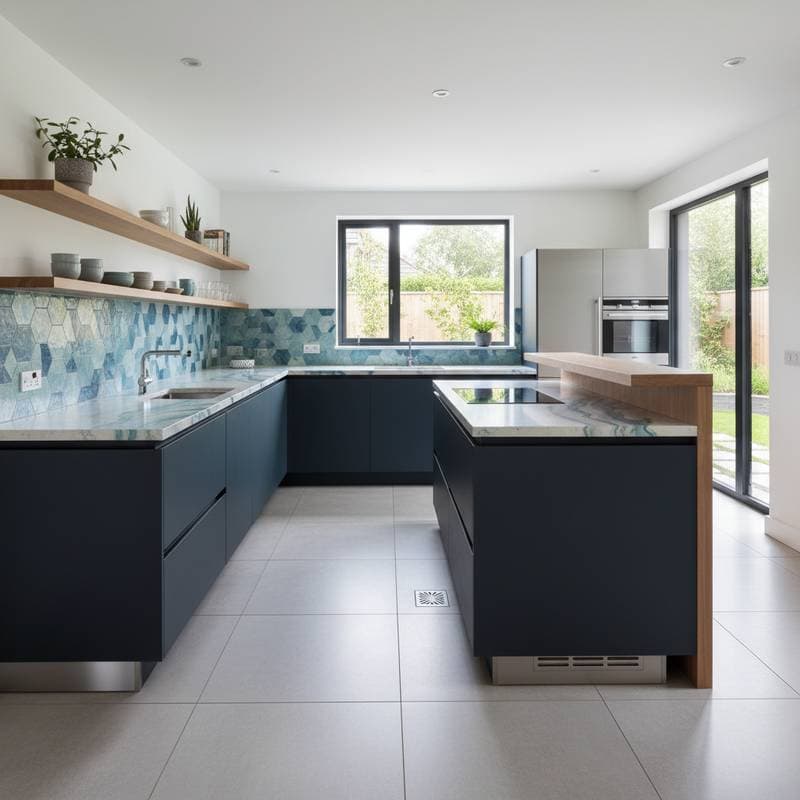
Add flood vents in lower walls to equalize pressure and allow water passage. Connect floor drains to sump pumps for rapid water removal. These installations cost around $2,500 but shorten recovery from weeks to days, protecting surfaces.
Budgeting for the Remodel
Expect costs of $18,000 to $35,000 for a standard flood-resistant kitchen, varying by size, current setup, and materials. Include a 10 percent buffer for surprises in wiring or plumbing.
The payoff justifies the expense through reduced premiums, less damage, and extended material life. The Home Resilience Index reveals that these remodels recover 62 percent of costs on resale, surpassing aesthetic updates at 53 percent.
Securing Professional Verification
Gather detailed reports from contractors on all resilient elements to support premium reviews. Insurers require solid proof.
"Expect documentation beyond claims; photos and certifications drive adjustments," advises Dana Nguyen, Senior Underwriter at MetroSure Property Group.
Consult climate-design specialists, engineers for elevations, and waterproofing experts for tests. Check local departments for rebates or credits on flood upgrades.
Navigating the Project Timeline
Plan for four to eight weeks, accounting for material delays and rewiring. Disruptions occur mainly in flooring and plumbing stages. Hire a manager to monitor progress and expenses.
Seek itemized quotes for clarity and flexibility. For instance, use marine-grade plywood on upper cabinets instead of steel to save $2,000 while maintaining protection.
Quantifying Ongoing Benefits
Savings surpass premiums: resilient materials cut maintenance by 25 percent over time. In flood zones, documented upgrades yield 10 to 20 percent premium drops. Combined with repair avoidance, costs recover in a few years.
Resilience also protects value; certified homes sell faster and at higher prices amid rising climate concerns.
Sustaining Resilience Long-Term
Annual checks of sealants and coatings keep performance high. Test pumps and drains before storm seasons. Renew gaskets and grout promptly.
Investing in a flood-resistant kitchen controls risks, upholds value, and delivers insurance savings as a practical choice.