

Understanding 2025 Kitchen Cabinet Refacing Costs
Envision entering your kitchen to find a space that feels revitalized. The familiar layout remains intact, storage solutions function as before, but the appearance radiates freshness. Crisp colors, contemporary styles, and a design aligned with your preferences create this effect. Cabinet refacing provides this upgrade without the high costs or extensive disruptions of a full remodel.
This approach refreshes cabinet exteriors by replacing doors, drawer fronts, and veneers on frames. Homeowners often select it for its balance of aesthetics and practicality. To plan effectively, grasp the pricing elements and decision factors. This overview equips you to evaluate refacing as a viable option for your home.
Typical Cost Ranges for Refacing Projects
Cabinet refacing expenses fluctuate based on kitchen dimensions, selected materials, and desired customizations. Most projects for an entire kitchen fall between $4,000 and $12,000. These figures cover standard updates for average homes.
Consider these size-based estimates:
- Small kitchens, featuring about 10 cabinets, typically cost $4,000 to $7,000.
- Medium kitchens with 15 to 20 cabinets range from $7,000 to $10,000.
- Large kitchens exceeding 20 cabinets may surpass $12,000.
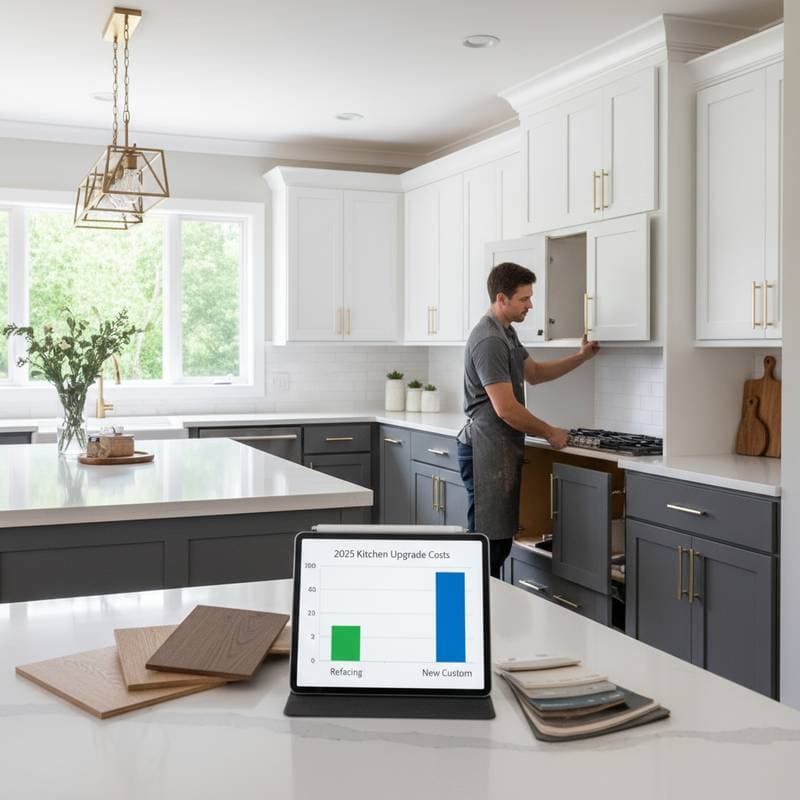
In contrast, full cabinet replacement often starts at $20,000 and climbs higher with premium choices. Refacing preserves the existing structure, delivering substantial savings while enhancing visual appeal.
Materials Selection and Its Impact
The choice of materials significantly influences the budget. Veneers in wood species like maple or oak provide natural warmth at moderate prices, around $2,000 to $5,000 for materials alone. Laminate options offer durability and affordability, starting under $2,000, ideal for high-traffic areas.
Painted finishes suit modern tastes and cost less in materials, but require skilled application to avoid chipping. Thermally fused laminate adds resistance to moisture and scratches, justifying a slight premium for long-term performance. Select based on your kitchen's usage and style goals to optimize both cost and longevity.
Cabinet Style and Design Elements
Basic designs such as flat-panel or shaker doors keep expenses lower than intricate raised-panel or glass-front varieties. Adding custom molding, trim, or decorative elements extends labor hours and material needs.
Assess your kitchen's overall vibe. Shaker or slab styles deliver clean, enduring appeal at a budget-friendly rate. For traditional elegance, incorporate raised panels or beadboard, though these elevate costs by 20 to 30 percent. Align selections with your home's architecture for cohesive results.
Labor and Installation Expenses
Installation by professionals constitutes roughly half the project total. Experts dismantle old doors and hardware, apply veneers to frames, and install new components with precision.
Regional labor rates differ, with urban areas commanding higher fees. A reliable quote encompasses preparation, minor fixes, and post-work cleanup. Although DIY appeals for savings, professional execution guarantees flawless alignment and adhesion, preventing future issues.
Hardware and Additional Features
New hinges, pulls, and knobs refresh functionality and style, adding $500 to $1,500. Soft-close mechanisms enhance usability, particularly in busy households.
Many extend the project to include crown molding, under-cabinet lighting, or glass panels. These enhancements, ranging from $300 to $3,000, elevate the overall impact. Prioritize elements that address your specific needs, such as improved illumination for meal preparation.
Strategies for Effective Budgeting
Establish a Defined Budget
Determine your spending limits early, allocating funds for materials, labor, and a 10 percent buffer for unforeseen adjustments. Refacing projects seldom encounter major complications, yet minor frame repairs may emerge during veneer removal.
Obtain Comparative Quotes
Solicit detailed estimates from at least three qualified contractors. Evaluate inclusions like hardware or repairs. Clear breakdowns prevent surprises and facilitate informed choices.
Inquire on Warranties and Guarantees
Established providers offer coverage for materials and workmanship, often spanning 5 to 10 years. This safeguard addresses issues like delamination or hardware failure without additional charges.
Schedule for Optimal Timing
Material prices and contractor availability shift seasonally. Off-peak periods, such as winter months, may secure discounted rates. Secure written timelines to anticipate kitchen downtime, typically 3 to 7 days.
Prepare for Project Disruptions
Clear countertops and cabinet contents in advance. Arrange a makeshift setup with appliances like a microwave and hot plate. This preparation minimizes inconvenience during the brief installation phase.
Weighing DIY Against Professional Services
Ambitious homeowners may explore self-installation to cut costs. This demands specialized tools, steady hands, and familiarity with adhesives and veneers. Errors risk bubbles, misalignment, or subpar durability.
Start with smaller tasks, like a single vanity, to build confidence. For comprehensive kitchen work, professionals deliver superior outcomes, saving time and ensuring structural integrity. Weigh your skills against the investment in quality results.
Realizing the Transformation Benefits
Post-completion, your kitchen boasts aligned doors, lustrous surfaces, and effortless drawer operation. Existing countertops and backsplashes gain renewed vibrancy alongside the updated cabinets.
A once-outdated oak kitchen evolves into a bright, contemporary haven. Laminate setups warm up with wood tones or dual-color schemes. This renewal fosters daily enjoyment and boosts property appeal for future sales.
Maintaining Your Refaced Cabinets
Routine care preserves the investment. Wipe surfaces with a damp cloth and gentle cleaner weekly. Steer clear of abrasive tools that damage finishes.
For painted areas near water sources, dry promptly to prevent wear. Wood veneers benefit from periodic oil application to highlight grain patterns. Regular hinge checks maintain smooth operation, extending the cabinets' lifespan to 10 years or more.
Steps to Launch Your Refacing Project
Cabinet refacing bridges minor updates and major overhauls, yielding a refined, practical kitchen at reduced expense. Begin by consulting local experts for personalized assessments. With thoughtful planning, enjoy a space that enhances your home's heart without overwhelming commitment.