2026 Biophilic Kitchen Trends Using Natural Materials
A kitchen designed with biophilic principles offers softer light, fresher air, and surfaces that invite touch. This approach creates spaces that feel alive and restorative. It draws from nature through organic textures, sustainable materials, and earthy tones to support calm and wellbeing. Daily routines become mindful rituals when design meets function in this way.
Homeowners planning a remodel can apply the following trends to bring nature into the heart of the home. Each idea combines visual appeal with practical benefits.
Warm Woods and Honest Grain
Natural wood remains essential in biophilic design. Current applications favor authenticity, with oak, ash, maple, and walnut showing visible knots and grain. Cabinets receive light stains or matte oils that preserve texture instead of glossy coatings.
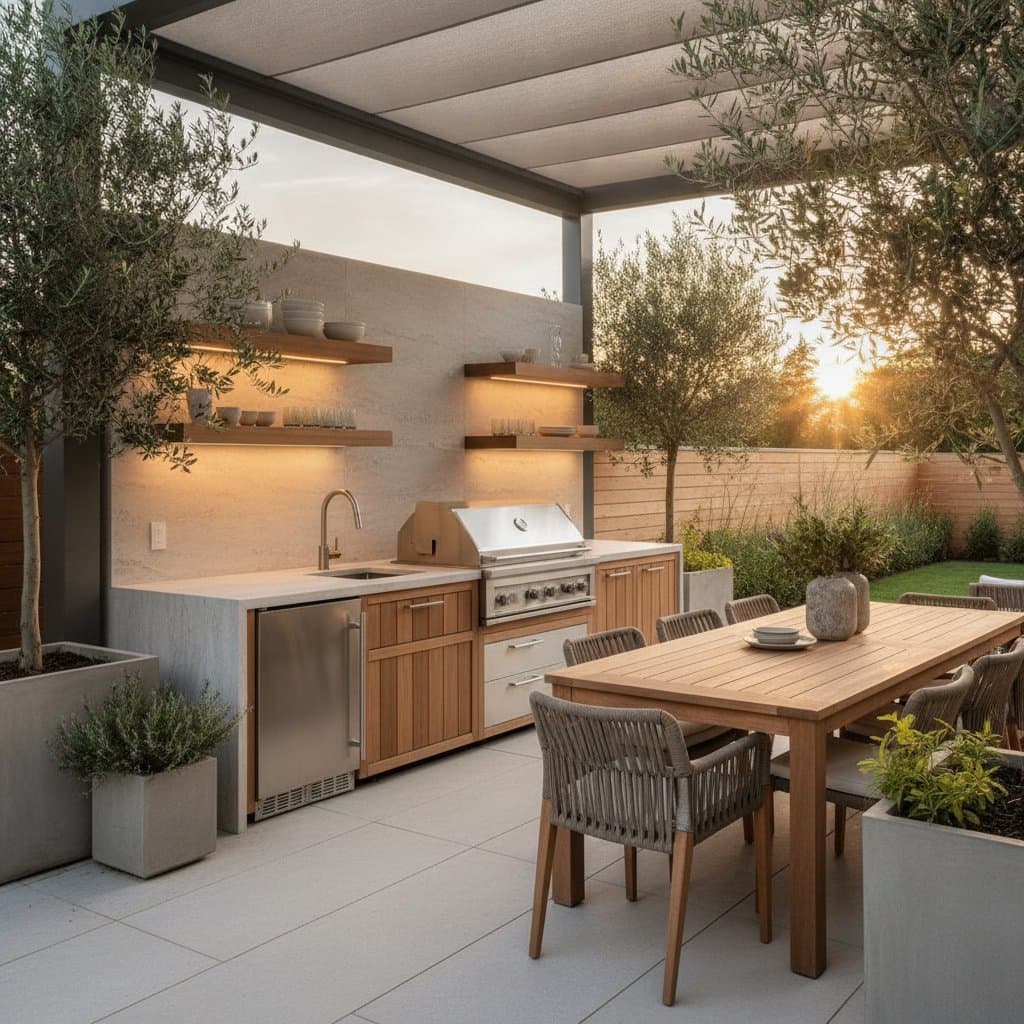
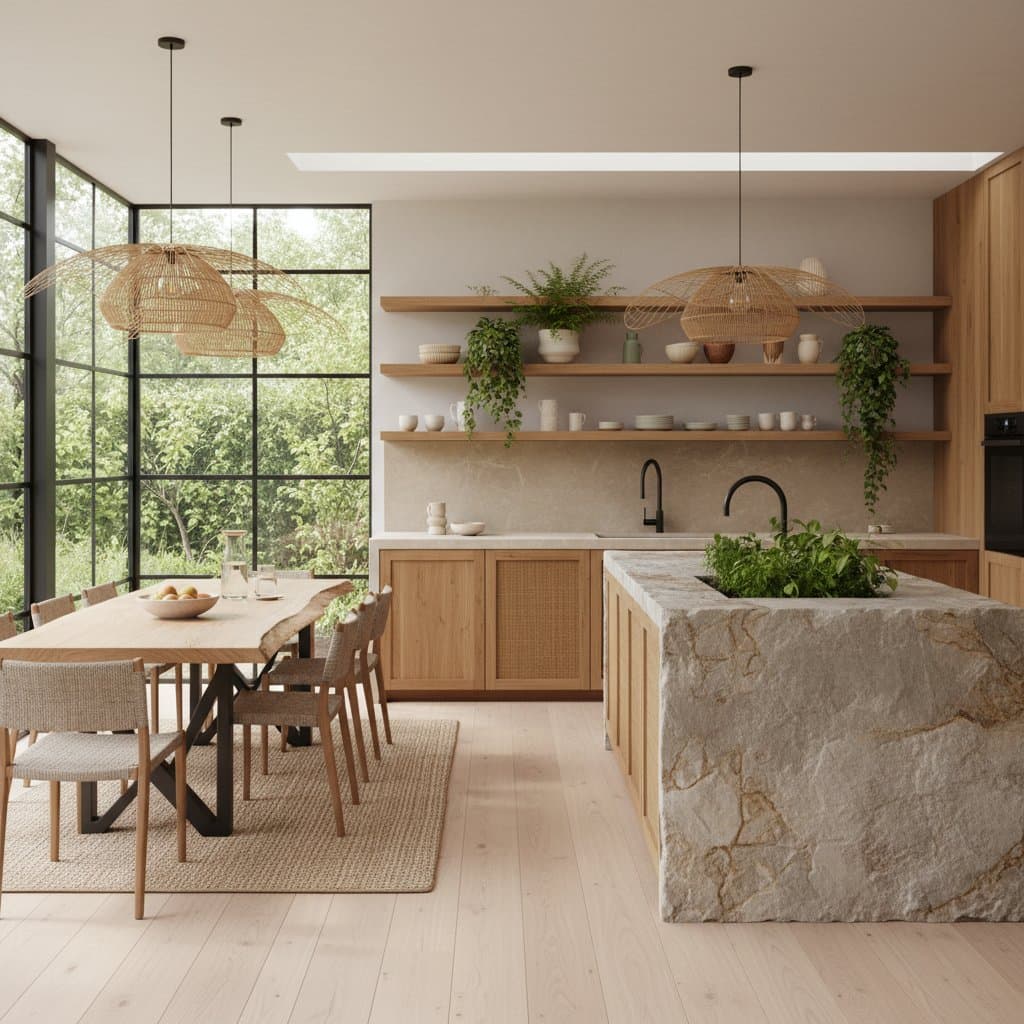
Balance wood use to avoid heaviness. Pair a wood island with stone countertops for contrast. Add open shelving in reclaimed timber for character. Wood panelled ceilings or slatted accents improve acoustics while framing the space.
Protect surfaces with oils or waxes that enhance grain and maintain tactile quality.
Stone Surfaces with Character
Stone provides permanence and grounding. Materials such as travertine, soapstone, and quartzite display unique veining and subtle variation. Honed finishes allow surfaces to develop a lived-in patina.
Apply stone in varied forms. A honed limestone countertop beside a textured backsplash adds depth. River stone tiles or terrazzo with mineral inclusions offer softer light reflection.
Source from local quarries or reclaimed stock to lower environmental impact. Apply sealants regularly for durability.
Soft Neutrals and Earthy Hues
Color influences the emotional tone of the kitchen. Muted, nature-inspired shades such as clay, sand, sage, and mushroom create soothing backdrops. These tones pair well with wood, stone, and metal.
Introduce color through painted cabinetry in pale green or warm taupe. Linen curtains in soft beige or ceramic dishes in natural shades reinforce the palette. Warm, diffuse lighting prevents the tones from appearing flat.
Greenery as a Design Element
Plants purify air and soften hard surfaces. Position them as integral elements rather than afterthoughts. Open shelving displays herbs, trailing vines, or succulents in ceramic pots. A windowsill herb garden supplies fresh ingredients during cooking.
Install a vertical garden wall with a self-watering system for larger statements. Hardy varieties such as pothos or snake plants suit areas with limited light. Integrate greenery to maintain cohesion.
Textural Variety and Natural Touchpoints
Texture adds sensory richness. Combine rough stone, smooth clay, woven rattan, and brushed metal for layered interest. A matte ceramic backsplash next to polished stone creates pleasing contrast.
Add linen tea towels, jute rugs, and leather drawer pulls for warmth. Brushed brass or aged bronze hardware coordinates with earthy materials. Avoid glossy finishes that disrupt the natural scheme.
Sustainable Craftsmanship and Local Materials
Local sourcing and artisanal production reduce transport emissions. Collaborate with regional woodworkers, ceramicists, and stone suppliers. Reclaimed wood, repurposed metal, and composite stone from waste fragments add individuality.
Select finishes with certifications for eco-friendly production and non-toxic coatings. These choices improve indoor air quality.
Natural Light and Connection to the Outdoors
Natural light enhances color and texture. Large windows, skylights, and glazed doors connect interior spaces to gardens. Reflective surfaces such as pale stone countertops and light wood cabinetry distribute available light.
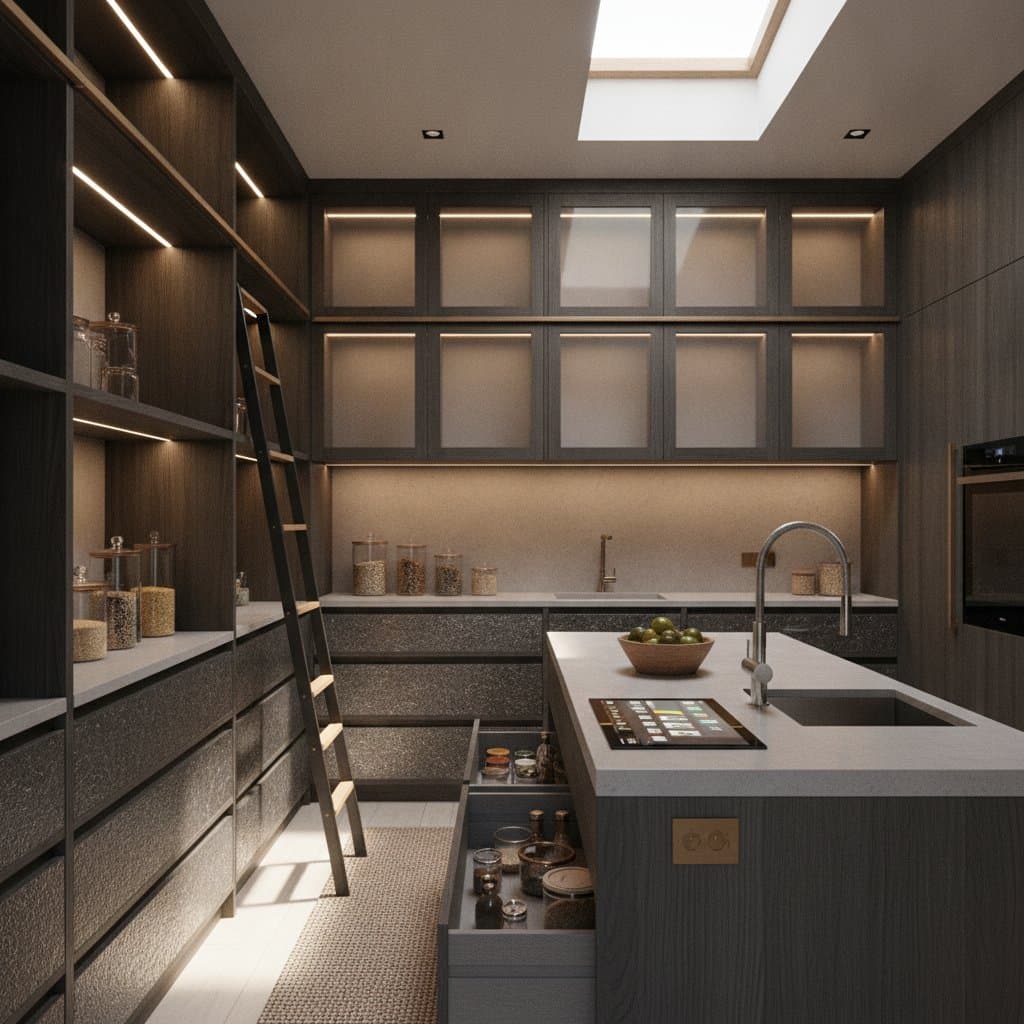
Sheer curtains or bamboo blinds filter sunlight while preserving privacy. Warm-toned LEDs under cabinets or pendant lights with linen shades extend the effect into evening hours.
Organic Shapes and Flowing Layouts
Curved islands, rounded corners, and arched doorways promote visual flow. These forms echo natural environments. Introduce gentle curves in a wooden breakfast bar or select rounded cabinet handles.
Arrange zones for fluid movement between cooking, dining, and social areas. This layout supports relaxation and connection.
Sensory Awareness and Comfort
Engage multiple senses. The sound of water from a filtered tap, the scent of window herbs, and the feel of smooth stone contribute to a richer experience. Natural-fiber textiles soften acoustics.
Quieter appliance models reduce background noise. This layering turns the kitchen into a nurturing environment.
Daily Care for Lasting Benefits
Regular maintenance preserves the design. Oil wood surfaces, reseal stone, and clean with gentle natural products. Surfaces gain character as they age and plants mature. The kitchen continues to support wellbeing and sustainability through everyday use.