7 Red Flags That Could Ruin Your Next Remodel
Home remodels take many forms. Some homeowners pursue a sleek modern kitchen, while others seek a cozy craftsman-style bathroom. Styles differ greatly, but principles of success remain the same. The outcome hinges on the contractor selected. No design survives poor execution.
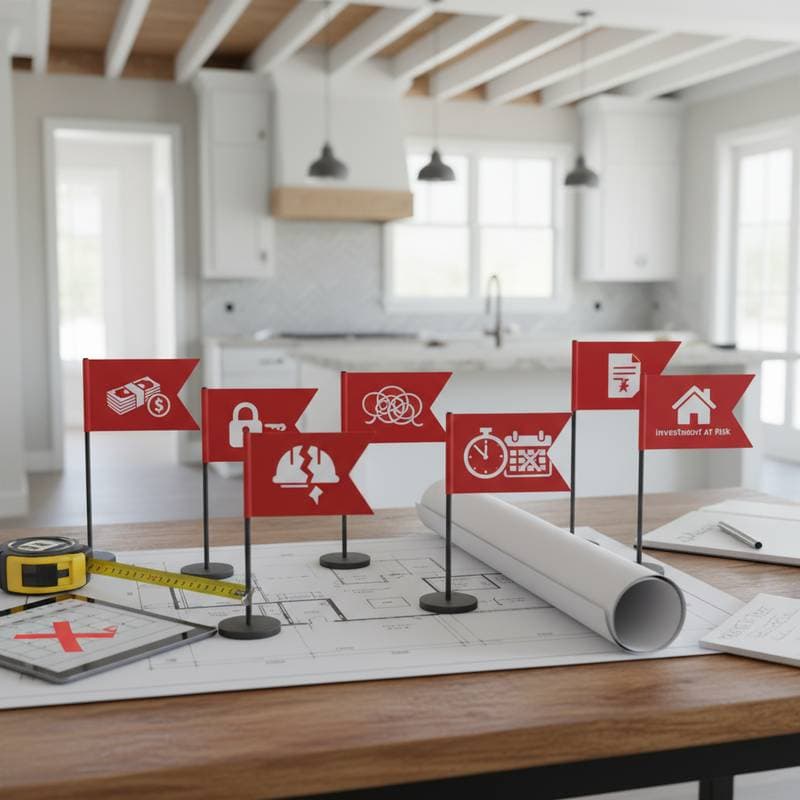
With decades in architectural design and project management, patterns emerge across projects. Warning signs appear before issues arise. Recognizing these early prevents delays, structural problems, and frustration. The following seven red flags merit attention before any contract signing.
1. Poor Communication from the Start
Problem: Contractors who respond slowly or provide vague answers signal future issues. Clear communication ensures alignment on vision, timeline, and expectations.
Context: One homeowner shared frustration after initial consultations yielded inconsistent details. The contractor promised weekly updates but delivered none, leading to scope creep and budget overruns.
Solution: Test responsiveness during inquiries. Request a detailed project timeline and communication plan upfront. Establish preferred methods, such as email or phone, and set update frequencies.
Technical Detail: Effective plans include milestones for design approval, material selection, and progress reports. Document all discussions to create a paper trail.
Benefit: Strong communication builds trust and keeps the project on track. It minimizes misunderstandings that escalate into costly changes.
2. Unrealistically Low Bids
Problem: A bid far below market rates often conceals shortcuts. Contractors underbid to secure work, then introduce fees for supposed unforeseen issues.
Context: A homeowner requested review of three quotes for a home addition. Two aligned closely; the third halved the cost. That bidder vanished during framing, abandoning the site and leaving unpaid subcontractors.
Solution: Evaluate bids against identical scopes. Demand line-by-line breakdowns for any low estimate. Probe discrepancies until explanations satisfy.
Technical Detail: Material costs, labor rates, and permit fees vary little regionally. Significant deviations indicate omitted elements or inferior materials.
Benefit: Selecting a transparent bid avoids hidden expenses. It guarantees quality work, with modest upfront investment yielding long-term savings.
3. Vague or Incomplete Contracts
Problem: Contracts lacking specifics invite disputes. Ambiguous terms on scope, payments, and timelines create opportunities for exploitation.
Context: A client faced delays when a contract omitted change order procedures. Minor adjustments snowballed into major disputes, halting progress for weeks.
Solution: Review contracts thoroughly. Ensure inclusion of project scope, payment schedules, timelines, warranties, and dispute resolution. Consult a lawyer if needed.
Technical Detail: Standard contracts specify materials, finishes, and compliance with codes. Include clauses for delays, cancellations, and final walkthroughs.
Benefit: A detailed contract protects interests and clarifies responsibilities. It fosters accountability and smooth resolution of issues.
4. No Proof of License or Insurance
Problem: Engaging an unlicensed or uninsured contractor poses severe risks. Accidents or failed inspections may leave homeowners liable for damages.
Context: A client sought help with water damage post-bathroom remodel. The contractor omitted waterproofing and carried no insurance, forcing out-of-pocket repairs.
Solution: Request license numbers and verify with local authorities. Obtain current certificates for general liability and workers compensation insurance.
Technical Detail: Certificates must show coverage limits equaling or exceeding project value. Confirm subcontractor inclusion under the policy.
Benefit: Valid credentials shield from financial liability. They confirm adherence to standards and demonstrate professional commitment.
5. Lack of References or Portfolio
Problem: Absence of verifiable past work raises doubts about reliability. Reputable contractors showcase completed projects and client feedback.
Context: A homeowner hired based on charm alone, ignoring the missing portfolio. Substandard craftsmanship emerged, requiring full rework of cabinetry.
Solution: Ask for recent references and contact them. Review portfolios for similar projects, noting quality and adherence to timelines.
Technical Detail: References should detail project scale, challenges overcome, and satisfaction levels. Portfolios highlight techniques and material handling.
Benefit: Verified history ensures competence. It reduces risk and aligns expectations with proven results.
6. No Permits or Attempts to Bypass Inspections
Problem: Dismissing permits as unnecessary ignores safety and compliance. Such shortcuts compromise structural integrity and legal standing.
Context: A homeowner discovered uninspected gas line rerouting. City officials demanded demolition for re-approval, inflating costs dramatically.
Solution: Identify required permits for the project. Require the contractor to obtain them in their name, maintaining clear responsibility.
Technical Detail: Permits address structural, electrical, plumbing, and mechanical aspects. Each phase requires inspection before proceeding. Noncompliance risks insurance invalidation and diminished property value.
Benefit: Full permitting upholds safety and legality. It avoids future expenses during home sales.
7. Pressure to Make Quick Decisions
Problem: Urging hasty commitments often masks inadequacies. Legitimate contractors allow time for due diligence.
Context: A family felt rushed into signing for a kitchen overhaul. The contractor pushed discounts for immediate agreement, later revealing unpreparedness and delays.
Solution: Set your pace. Request time to review documents and consult advisors. Walk away from high-pressure tactics.
Technical Detail: Rushed decisions skip essential steps like site assessments and material sourcing. Allow at least 48 hours for contract review.
Benefit: Measured choices lead to informed partnerships. They prevent regret and ensure project alignment with goals.
Build a Remodel on Solid Ground
Success in remodeling extends beyond aesthetics to trust and precision. Treat your home as a professional site, demanding respect for processes.
Approach renovations methodically. Pose direct questions, scrutinize credentials, and heed intuition. Dependable contractors value such scrutiny, paving the way for transformative results.