
Why 2025 Wet Rooms Demand Smarter Waterproofing
The latest Home Improvement Market Survey by BuildFacts reveals that 42 percent of homeowners renovating bathrooms opt for open-concept or curbless wet room layouts. However, the same survey indicates that 58 percent of these projects surpass their waterproofing budgets due to undetected substrate damage or flawed installation practices. This shift toward barrier-free showers brings aesthetic appeal, but it also amplifies financial and structural risks from inadequate waterproofing.
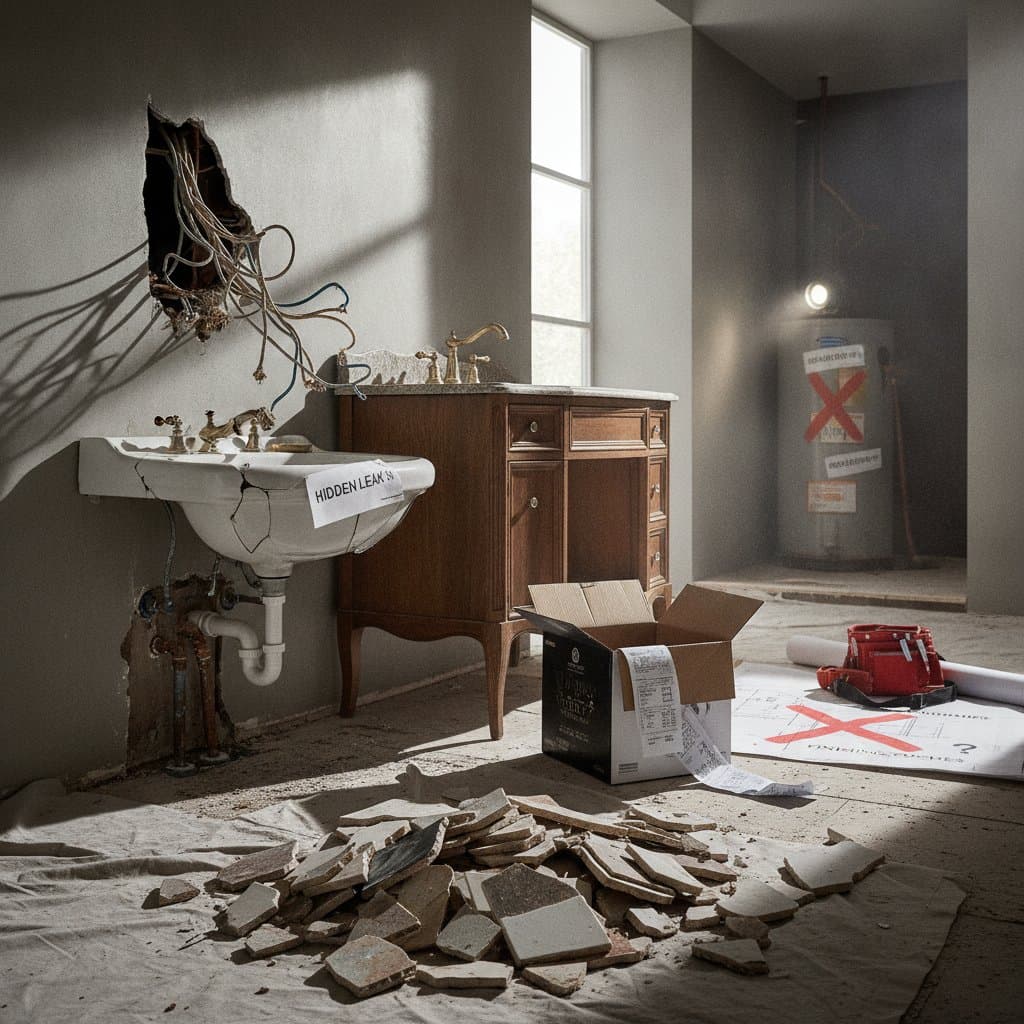
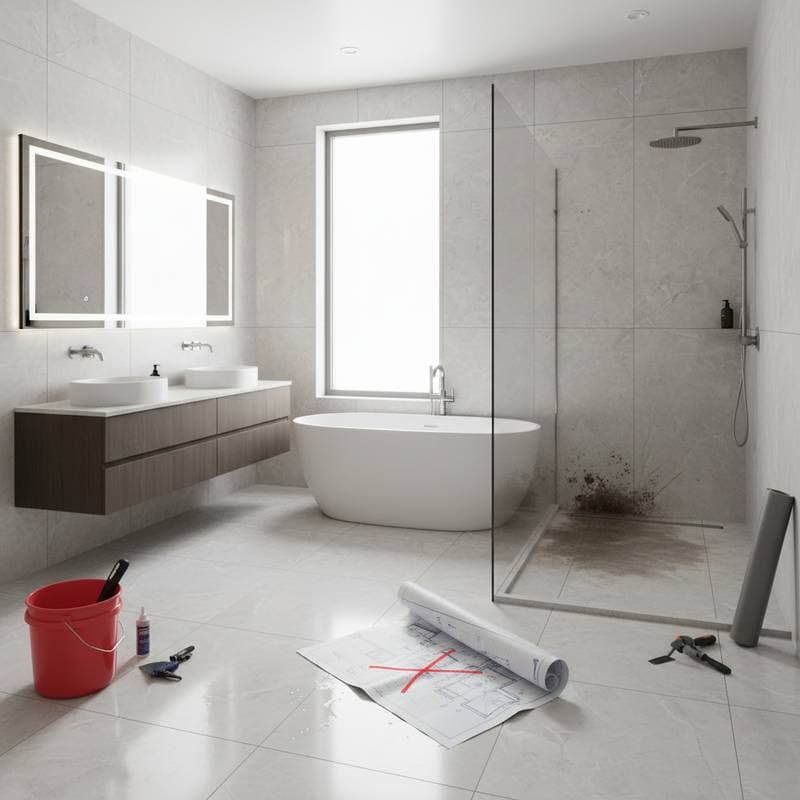
Wet rooms appear straightforward in design, yet they require intricate systems including layered membranes, properly graded floors, and tightly sealed joints to withstand ongoing exposure to moisture. One error in this setup can trigger extensive damage, with repair expenses far outpacing the initial investment. Prioritizing advanced waterproofing techniques ensures these spaces remain viable and cost-effective over time.
Understanding the Professional Shift Driving Wet Room Adoption
Builders embrace wet rooms to meet accessibility requirements, boost resale potential, and achieve minimalist aesthetics. Many professionals, however, continue using waterproofing methods suited to traditional enclosed showers, which fall short in open environments.
David Larkin, Senior Project Manager at AquaSeal Systems with 18 years in residential waterproofing, explains, "Most clients assume waterproofing is a single membrane under the tile. In reality, it is a multi-layered process that includes surface membranes, vapor barriers, and compatible adhesives. Each layer must be tested and certified for the same moisture rating."
Cost data from various regions highlights the stakes. In areas with high humidity or coastal exposure, premium waterproofing materials increase bathroom expenses by 10 to 20 percent. Opting out of these enhancements often leads to repair bills that double or triple the savings within a short period.
A HomePro Construction Insights report shows that 31 percent of wet room remodels need fixes within two years due to poor sealing or incorrect slope configurations. These findings emphasize waterproofing as a critical investment rather than an optional expense.
Navigating Costs and Building a Realistic Budget
A standard wet room remodel ranges from $18,000 to $35,000, influenced by room size and material choices. Waterproofing accounts for 12 to 20 percent of this figure, making it a substantial line item that demands careful allocation.
BuildSmart Financial Group’s renovation cost index estimates that each dollar spent on robust waterproofing yields $1.60 in savings from reduced maintenance over the first ten years. Inadequate systems, on the other hand, deliver poor returns since repairs seldom improve property value.
Homeowners benefit from setting aside a 10 percent contingency fund within the overall project budget to address surprises like hidden substrate issues or plumbing complications. This approach maintains project timelines and avoids hasty compromises during construction.
Lisa Benton, a licensed general contractor with Benton Renovation Group, notes, "The biggest mistake I see is clients running out of funds before waterproofing starts. They spend heavily on fixtures and tiles, then cut corners on the systems that protect those finishes. Waterproofing is not a cosmetic choice. It is the insurance policy for your remodel."
Selecting and Verifying Professional Expertise
Selecting qualified professionals proves as vital as choosing high-quality materials. Verify licenses, request evidence of manufacturer-specific training, and obtain references from at least three prior wet room installations.
Directories from organizations like the National Tile Contractors Association list certified experts. Local building inspectors or permitting offices also offer recommendations for vetted waterproofing specialists.
Daniel Cho, Lead Estimator at Precision Waterproofing Consultants, advises, "Clients who involve a waterproofing consultant early avoid 80 percent of the problems we see later. A consultant can review design drawings, confirm slope ratios, and check compatibility between materials before work begins."
For intricate or luxury projects, engage a third-party inspector to conduct flood testing prior to tiling. This method involves filling the space with water temporarily to validate the system's performance and detect leaks early.
Sustaining Waterproofing Performance Over Time
A properly installed wet room waterproofing system endures for decades with routine care. Schedule annual inspections of grout lines and reseal areas around fixtures or penetrations to prevent gradual deterioration.
View waterproofing as an ongoing element of property stewardship, not merely an initial expenditure. Combine certified products, experienced craftsmanship, and regular checks to transform the wet room into a resilient feature that preserves both style and equity.
As curbless bathroom designs gain momentum, those who emphasize detailed planning, credential validation, and prudent budgeting secure lasting benefits from a space that enhances daily life without unforeseen expenses.