
2026 Remodel ROI: Which Projects Actually Pay Back
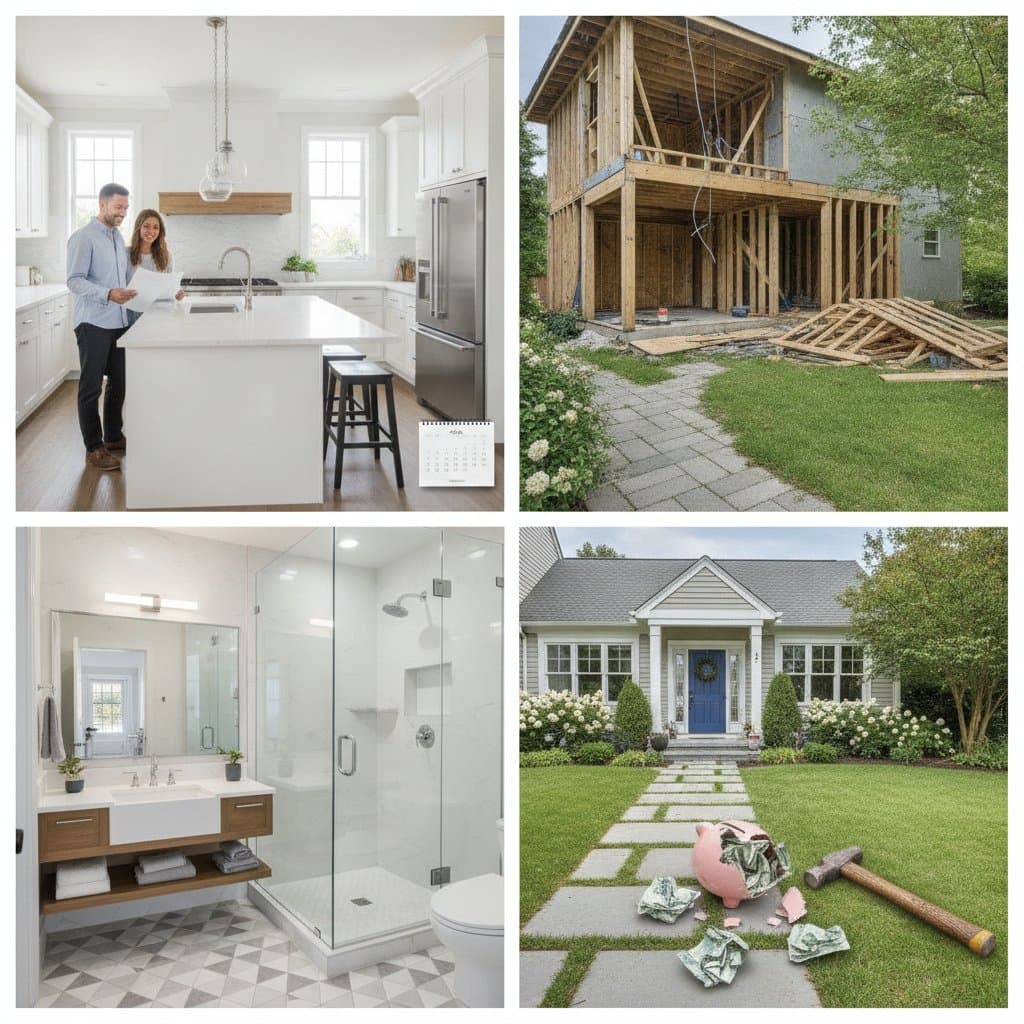
You stand in the kitchen with coffee in hand and consider the worn cabinets. Dreams of quartz counters and a bright breakfast nook surface quickly. A recent cost versus value analysis shows that only about half of major renovation costs return in resale value. Strategic choices let homeowners enjoy daily improvements while protecting long term finances.
The sections below identify projects with the strongest payback, outline those that rarely recover costs, and provide budgeting steps that keep spending aligned with local market realities.
Entry Door Upgrade
A steel entry door ranks among the highest returning exterior improvements. Replacement costs typically range from 2000 to 2800 dollars. Real estate agent Lydia Chen notes that a new door signals ongoing maintenance and shapes buyer perception of the entire property. Homeowners also gain daily satisfaction from smooth operation and improved security.
Siding and Exterior Updates
Fiber cement siding recovers up to 80 percent of its installed cost in many markets. Vinyl siding delivers slightly lower returns yet improves curb appeal noticeably. Contractor Elena Garcia observes that fresh siding indicates low future maintenance and raises perceived value. Homeowners should prioritize this work when paint peels or panels show cracks.
Bathroom Refresh
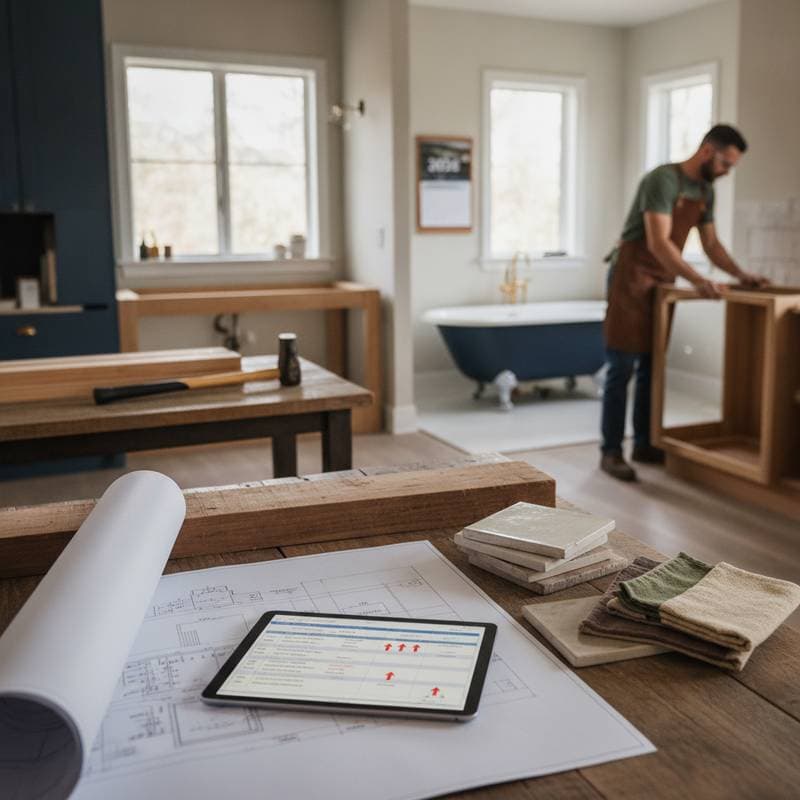
A midrange bathroom update that retains the existing layout returns 60 to 70 percent of costs. New fixtures, tile, and efficient lighting modernize the space without moving pipes. Keeping the current footprint avoids the largest budget overruns. Marble or other premium materials should be evaluated against local buyer expectations before purchase.
Energy Efficiency Upgrades
Insulation, efficient windows, and high efficiency HVAC systems return between 60 and 80 percent depending on climate. These upgrades also reduce monthly utility bills during ownership. Buyers calculate operating costs carefully, so documented efficiency improvements support stronger offers.
Deck or Patio Addition
A wood deck returns approximately 65 percent of its cost in suitable climates. Composite decking lowers long term maintenance yet yields slightly less at resale. Budgeting must include railings, lighting, and permits to avoid surprise expenses. Outdoor living space appeals strongly when the local climate supports year round use.
Projects That Rarely Pay Back
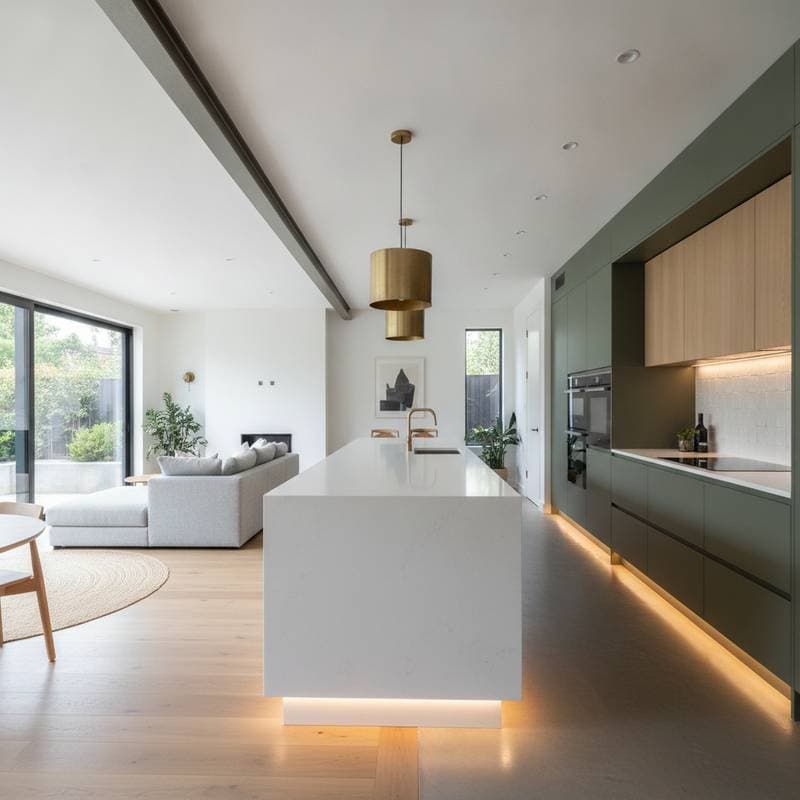
Luxury kitchen and bath overhauls with imported stone and custom cabinetry seldom recover full costs. Buyers appreciate quality only up to the neighborhood price ceiling. Specialty rooms such as dedicated offices or yoga studios limit buyer appeal unless remote work dominates the local market. Swimming pools add lifestyle value in warm regions but rarely deliver full financial return after maintenance and insurance expenses. High end landscaping exceeds what most buyers require. A tidy lawn and trimmed shrubs achieve nearly the same curb appeal at lower cost.
Budgeting for ROI Friendly Renovations
- Research recent sale prices in the immediate neighborhood to establish a realistic price ceiling before any work begins.
- Limit total project costs to no more than 70 percent of the expected value increase.
- Obtain three detailed bids from licensed contractors and verify references before signing agreements.
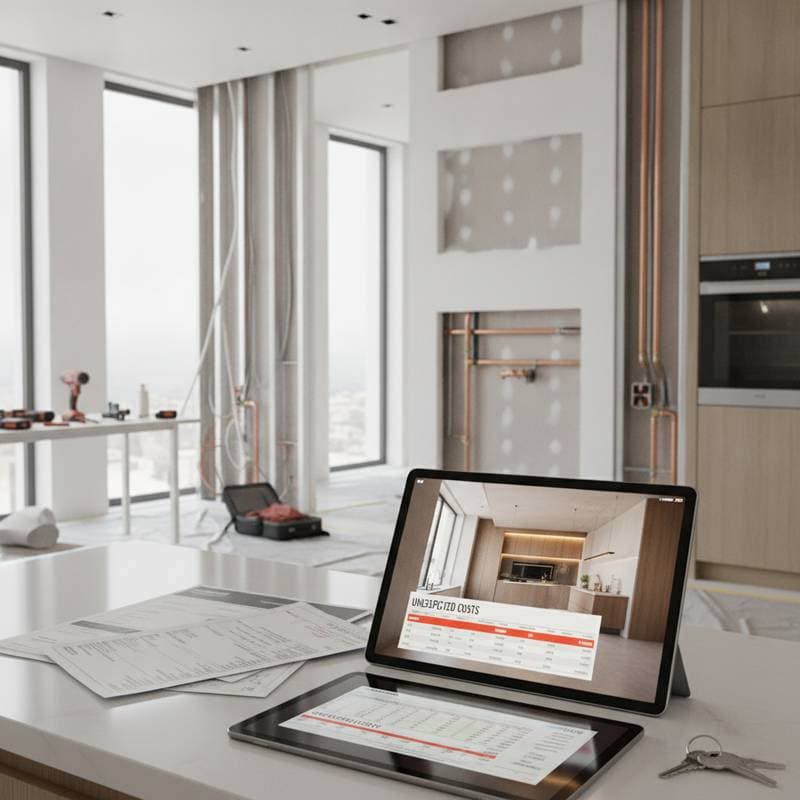
- Reserve 10 to 15 percent of the budget for unexpected repairs discovered during demolition.
- Evaluate ongoing maintenance requirements of chosen materials to control lifetime ownership costs.
Regional Factors That Influence ROI
Climate and buyer preferences vary sharply by location. A deck may remain unused for months in snowy regions yet serve as primary living space in milder areas. Local appraisers and agents can identify which features drive prices in a specific market. Weather resistance matters more in coastal zones while energy performance dominates in extreme temperature areas.
Smart Ways to Stretch Renovation Spending
- Refinish cabinets or floors instead of full replacement to cut material costs while preserving visual impact.
- Schedule work during slower contractor seasons when pricing becomes more competitive.
- Complete painting, demolition, and cleanup personally when time and skill allow.
- Reuse existing doors, hardware, and trim after repainting to maintain a cohesive appearance.
- Record every expense in a shared spreadsheet to identify overruns quickly.
Practical Next Steps
Homeowners achieve the best outcomes by matching projects to both personal needs and documented resale data. Garage doors, entry doors, and minor kitchen updates frequently satisfy both criteria. Larger emotional investments remain possible when the budget explicitly accounts for lower financial recovery.