
Understanding Wet Room Remodel Costs in 2025
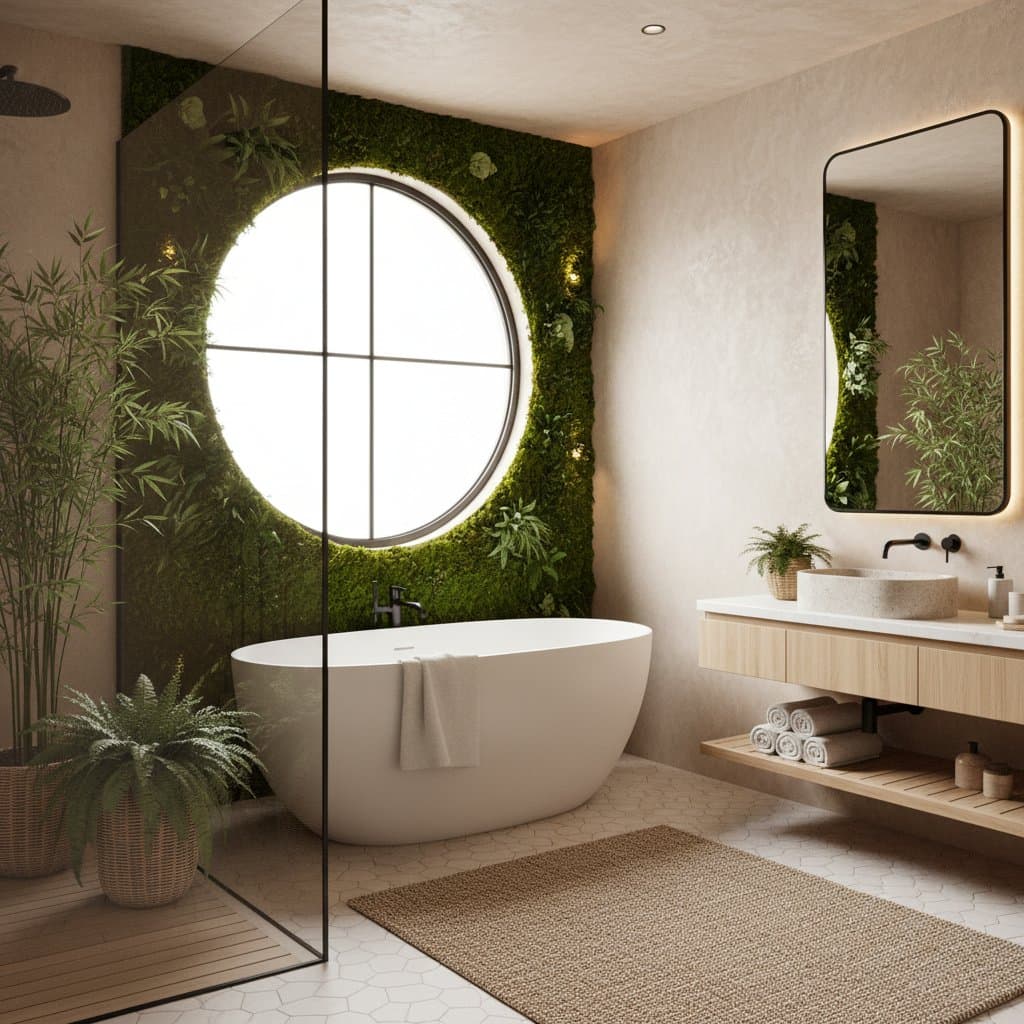
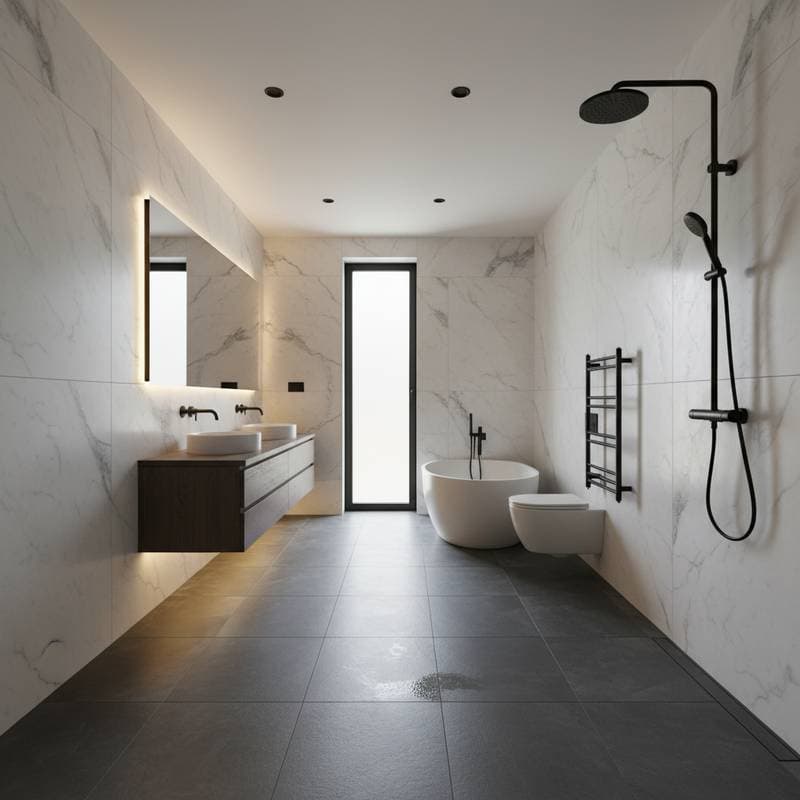
Imagine entering a bathroom where the shower area flows seamlessly into the rest of the space, featuring smooth tiles and a subtle floor slope that directs water to a discreet drain. No barriers or enclosures interrupt the view, creating an open and inviting environment. This wet room concept promises modern elegance and ease of use, yet many projects encounter unexpected expenses that push budgets beyond limits.
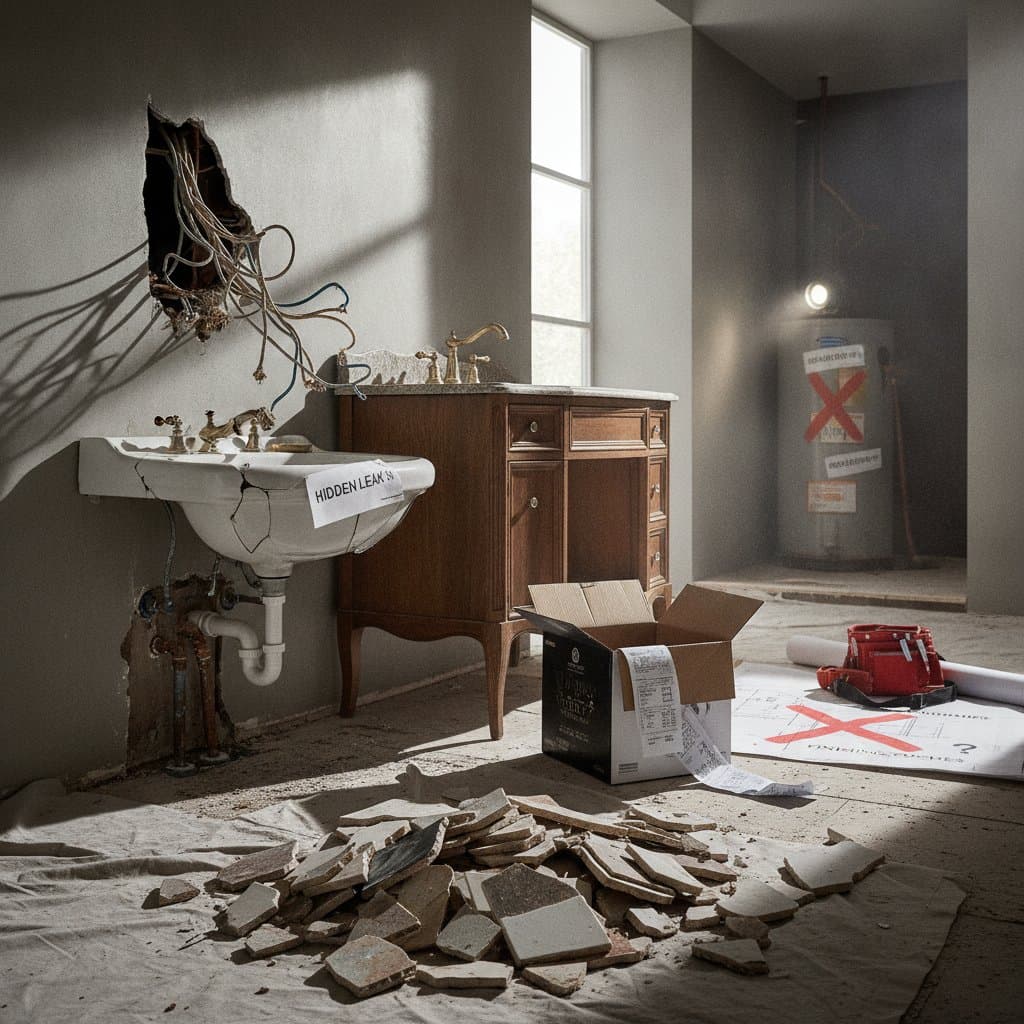
A recent national survey on home improvements reveals that fewer than half of bathroom remodels, including wet rooms, remain within initial financial plans. Waterproofing requirements and drainage modifications often emerge as primary factors. Before selecting finishes or fixtures, examine the true expenses involved and strategies to maintain control over your project.
The Value of Curbless Showers in Wet Room Designs
Curbless showers define the wet room aesthetic, demanding meticulous engineering for effective water management. The floor requires a precise gradient, typically one-quarter inch per foot, leading to a linear drain concealed beneath the surface. This approach enhances both aesthetics and usability, particularly in homes prioritizing universal design principles.
Key advantages include:
- Simplified maintenance: Absence of thresholds or panels reduces cleaning efforts and prevents water residue buildup.
- Enhanced accessibility: Level entry supports individuals with mobility challenges, aligning with aging-in-place trends.
- Expanded perceived space: The open layout visually enlarges compact areas, ideal for urban dwellings.
- Property appreciation: Modern buyers seek such features, potentially increasing resale value by 5 to 10 percent.
Structural adjustments for the slope, however, introduce significant costs. James Ortiz, a bathroom architect and founder of AquaForm Renovations, explains, "A curbless shower demands adequate subfloor clearance. In older structures, this may involve modifying joists or elevating sections, which escalates expenses considerably."
Step-by-Step Planning for Wet Room Installation
Effective planning forms the foundation of a successful wet room transformation. Every element must withstand constant moisture exposure, so attention to layout, materials, and systems proves essential. Begin with a thorough assessment to avoid costly revisions during construction.
Essential setup checklist:
- Evaluate plumbing infrastructure: Verify that existing drain positions and pipe routes accommodate the open design without major relocations.
- Assess floor integrity: Measure subfloor thickness to confirm it supports a minimum two-inch slope depth, consulting a structural engineer if necessary.
- Specify appropriate tiling: Select porcelain or natural stone options with a Pendulum Test Value exceeding 36 for optimal slip resistance in wet conditions.
- Incorporate space-efficient fixtures: Opt for wall-hung toilets and floating vanities to preserve floor area and facilitate cleaning.
- Integrate robust ventilation: Install a fan activated by humidity levels above 60 percent to control moisture and inhibit mold growth.
- Design layered illumination: Position IP65-rated lights in shower zones for safety, complemented by dimmable LEDs in drier areas for ambiance.
Precision in execution determines long-term performance. An improper gradient or irregular tiling can lead to pooling water and structural damage. Engage a contractor experienced in at least five wet room projects to ensure compliance with building codes and best practices.
Strategies to Control Wet Room Budgets
Luxurious visions must align with realistic financial boundaries to prevent overruns. Focus on high-impact decisions that balance quality and economy. These approaches help homeowners achieve a premium result without financial strain.
- Preserve original plumbing locations: Relocating pipes or drains can increase labor by up to 50 percent; design around existing setups whenever possible.
- Strategically blend materials: Reserve premium large-format tiles for focal points like shower walls, using durable porcelain alternatives for floors and less visible surfaces.
- Request detailed cost breakdowns: Itemized estimates reveal potential add-ons, such as permits or waste disposal fees, allowing for informed negotiations.
- Allocate a 10 to 15 percent buffer: Unexpected discoveries, like subfloor rot beneath old flooring, often necessitate additional spending.
- Implement incremental improvements: Prioritize core waterproofing and drainage in phase one, deferring aesthetic upgrades like custom mirrors until finances allow.
Ensuring Long-Term Wet Room Durability
Completion marks the start of ongoing care to protect your investment. Regular upkeep preserves the waterproof integrity and aesthetic appeal. Integrate these habits from day one for sustained functionality.
Seal grout joints annually with a penetrating silicone-based product to repel water penetration. Clear drains of debris every month using a mild enzymatic cleaner to maintain flow efficiency. Test ventilation systems quarterly by monitoring humidity levels post-shower; replace filters as recommended by the manufacturer.
Wet rooms extend beyond current trends to offer enduring practicality and adaptability. They suit diverse interiors, from sleek apartments to traditional homes. With disciplined planning and maintenance, your wet room delivers daily comfort and enhances property worth for years ahead.