Avoid Hidden Remodeling Costs: Essential Strategies to Protect Your Budget
Imagine embarking on a kitchen remodel with a carefully curated Pinterest board, a detailed budget spreadsheet, and a contractor who assures adherence to the plan. Demolition commences, and then an unexpected line appears on the invoice: unforeseen conditions. This often signals a significant expense hidden within the walls, such as a thousand-dollar repair.
A national home renovation survey indicates that nearly half of homeowners surpass their remodeling budgets, frequently by more than ten percent. These overruns stem not from lavish spending but from concealed expenses lurking in structural elements and overlooked details. To prevent a remodel from depleting savings, identify and address these costs prior to the initial phase of construction.
This guide examines prevalent hidden remodeling expenses, methods to detect them early, and protective measures to implement before work begins. By following these steps, homeowners can ensure a smoother process and maintain financial control.
Step 1: Conduct a Comprehensive Pre-Remodel Inspection
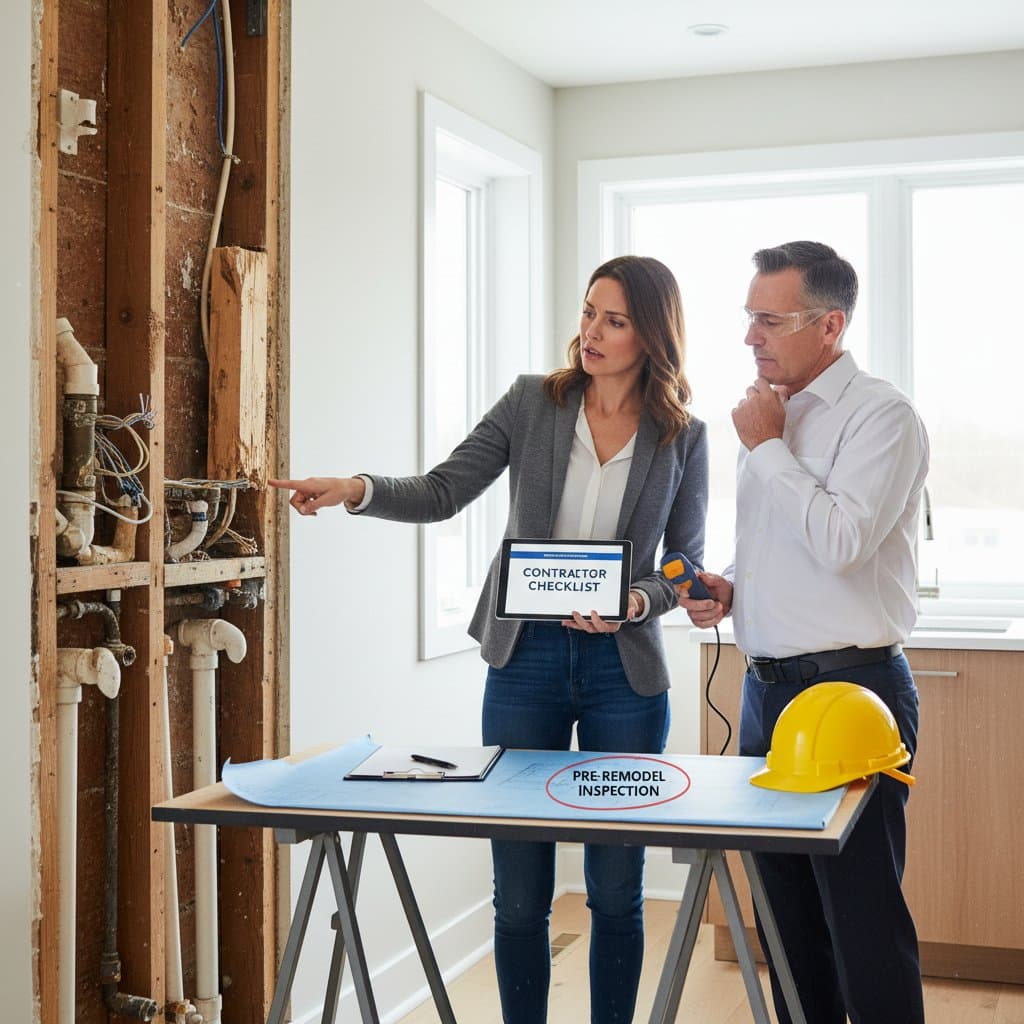
Prior to purchasing materials, arrange a thorough pre-remodel inspection. Unlike a general home inspection, this evaluation targets construction-impacted systems and potential code violations.
Key Areas to Inspect
- Foundation and framing: Examine for cracks, settling, or inadequate beams, which may escalate a minor project into major structural work.
- Electrical systems: Identify outdated wiring, absent grounding, or overburdened panels, all of which prove costly to remedy after walls open.
- Plumbing and drainage: Check for corroded pipes or sluggish drains that might necessitate full replacements.
- Roof and insulation: Assess leaks or substandard insulation, which influence energy efficiency and risk mold development.
An inspection typically costs a few hundred dollars yet can prevent thousands in future expenses, according to Tommy Greer, contractor and founder of Greer Renovation Group. He notes instances where bathroom remodels uncovered rotten subflooring, effectively doubling budgets; early detection would have altered the project scope accordingly.
Budget Implications
Such an inspection enables budgeting based on verified conditions rather than assumptions. With identified risks in hand, establish a contingency fund. Experts advise allocating 10 to 20 percent of the total budget for surprises. If the inspection highlights vulnerable areas, adjust this reserve upward to account for elevated uncertainties.
Step 2: Negotiate Detailed Contracts to Eliminate Ambiguities
Vague contracts rank among the top sources of hidden costs, as they allow for interpretations that lead to additional charges. A well-crafted agreement outlines every aspect of the project, minimizing disputes and unexpected fees.
Essential Contract Elements
- Scope of work: Specify exact tasks, materials, and finishes to avoid mid-project expansions.
- Payment schedule: Define milestones and amounts, ensuring payments align with completed phases.
- Change order process: Require written approval and cost estimates for any modifications.
- Warranty and guarantees: Include terms for workmanship and materials to cover post-completion issues.
Review the contract with a professional if needed, and insist on clarity regarding contingencies like unforeseen structural repairs. This step transforms potential pitfalls into predictable elements, safeguarding the budget from escalation due to miscommunications.
Step 3: Account for Realistic Delays in Your Timeline
Delays occur in even the best-planned remodels, from material backorders to inspection rescheduling or weather interruptions. Each postponement incurs costs in labor, extended permits, and alternative living arrangements.
Strategies to Mitigate Delay Impacts
- Request a conservative timeline from the contractor, then incorporate a two-week buffer.
- Verify material availability prior to design finalization; specialty items like custom tiles can halt progress if not sourced in advance.
- Factor in living expenses during disruptions, such as dining out or temporary housing if essential spaces like the kitchen become unusable.
Balancing aesthetic aspirations with practical logistics proves crucial. Ample time allowances reduce the financial strain from inevitable setbacks, keeping the project on a steady course.
Step 4: Budget Adequately for Permits and Code Compliance
Overlooking permits and building codes can trigger fines, rework, or halted construction, all of which inflate costs unexpectedly. Early integration of these requirements ensures compliance without derailing the schedule.
Proactive Permit Planning
- Research local regulations for your project type, such as electrical or plumbing updates.
- Include permit fees in the initial budget, typically ranging from 1 to 3 percent of total costs.
- Schedule inspections in advance to align with construction phases.
- Consult the contractor on code-specific adjustments, like upgraded ventilation in kitchens.
By addressing these elements upfront, homeowners avoid penalties that could add thousands to the bill. This preparation fosters a compliant, efficient remodel.
Step 5: Control Scope Creep Through Disciplined Finish Selections
Aesthetic decisions often drive the most insidious budget overruns. A project beginning with countertop replacement might expand to include backsplashes and cabinetry when existing elements appear mismatched, a phenomenon known as scope creep.
Techniques to Rein in Finish Expenses
- Establish design guidelines at the outset and adhere to them; mid-project alterations incur high labor and material fees.
- Obtain pricing for all selections before commitment, as even minor shifts like fixture finishes accumulate rapidly.
- Resist impulse approvals during stressful phases; deliberate on extras to prevent unnecessary expenditures.
As contractor Elena Moreno observes, every remodel reaches a point where homeowners consider additional upgrades with the rationale of efficiency. Setting firm budget limits at that juncture preserves financial integrity.
Safeguard Your Remodel for Enduring Value
After completion, when dust clears and fresh paint dries, the remodel must deliver both visual appeal and economic benefits. Maintain comprehensive records of permits, warranties, and specifications to facilitate resale and ongoing upkeep.
Regular maintenance, informed by these documents, extends the lifespan of installations and averts minor issues from becoming major expenses. This approach ensures the investment yields long-term returns, enhancing home value and owner satisfaction.