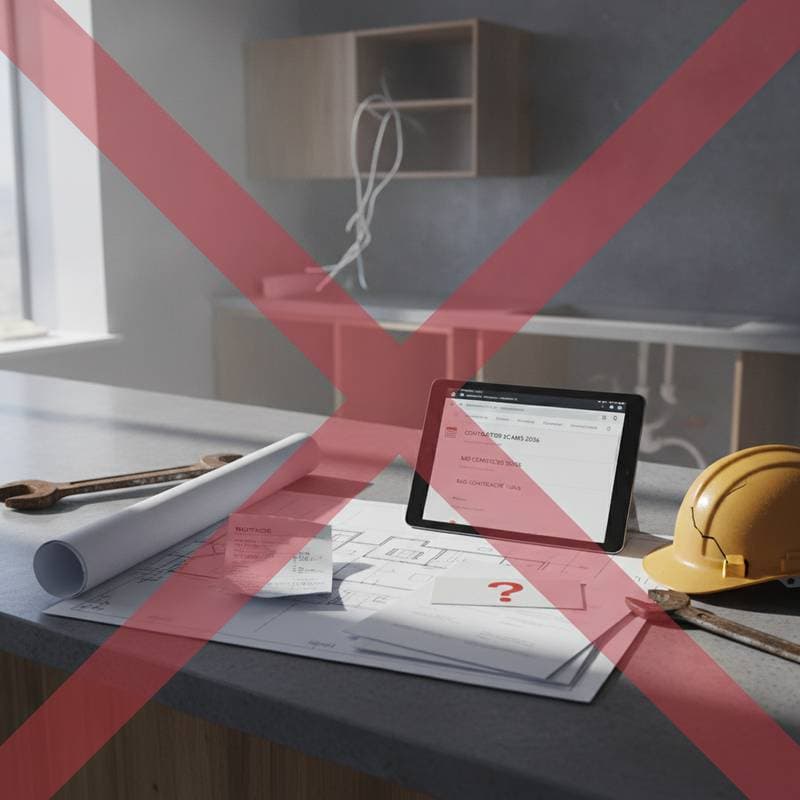


7 Contractor Red Flags Worth Spotting Before You Sign
It always starts the same way. You decide the bathroom tiles have seen one avocado green decade too many. Or the kitchen might look better with more than one working drawer. The Pinterest board is full. The budget spreadsheet is almost believable. You are ready to call in the professionals. Then comes the tricky part. Finding a contractor who will bring your vision to life without leaving you in tears, debt, or a cloud of plaster dust.
Horror stories abound. The builder who vanished halfway through the job left behind only rubble and an invoice marked final payment. The plumber who made the leak worse. The decorator who thought neutral tones meant a shade of orange that could stop traffic. Choosing the right contractor can feel like playing domestic roulette. Spotting the warning signs early can save both your sanity and your savings account.
Here are seven red flags worth noticing before you sign anything that resembles a contract.
1. Suspiciously Low Quotes
A quote that undercuts every other bid by a wide margin often signals trouble. The contractor may plan to use substandard materials. Or they may intend to cut corners on labor. Request a detailed breakdown of costs. Compare line items across multiple bids. A responsible professional explains how they arrived at their price.
2. No Written Contract or a Vague One
Some contractors claim a handshake is enough. It is not. Always insist on a written contract that covers scope of work, materials, start and finish dates, payment schedule, and guarantees.
A carpenter once suggested keeping things simple. That simplicity later turned into confusion over which cupboards were included and whether finishing touches meant handles or wishful thinking.
Look for these details in the contract:
- A clear description of the work
- Specific materials and brands
- Payment terms tied to progress, not promises
- Procedures for changes or delays
If a contractor avoids putting things in writing, they prefer you not to have proof later.
3. Lack of References or Proof of Insurance
A professional contractor supplies recent references without hesitation. They also carry liability insurance and workers compensation coverage. Ask for policy numbers and verify them. A contractor without insurance exposes you to risk if an accident occurs on your property.
4. Poor Communication or Pushy Behaviour
A contractor communication style before the job starts often predicts behavior during the project. Slow replies, unexplained absences, or vague answers suggest problems once work begins.
The overly confident type pressures you to sign quickly. They may claim the price is valid for only a few hours. Or they say their schedule is filling fast. This tactic stops you from asking questions.
One builder phoned three times in a single evening. His urgency raised concerns about whether he planned to start the next day regardless. He did not get the job.
Good communication includes clear and timely responses. It also shows willingness to explain technical details and respect for your decision making pace. If you already feel anxious before the first hammer swings, keep looking.
5. No Clear Timeline or Milestones
Vague promises about completion dates leave room for endless delays. Demand specific start and end dates along with defined milestones. A written schedule protects both parties and keeps the project moving.
6. Demanding Large Payments Upfront
A small deposit to secure your place in the schedule is fair. Half or more of the total cost before work begins is a flashing red light. You could end up financing their next holiday rather than your new bathroom.
One friend paid a materials deposit to a plasterer who then disappeared. Only a few bags of plaster remained. It took months to find someone else and she lost both money and patience.
Safer payment practices include a modest deposit around ten percent. Progress payments link to completed milestones. A final payment occurs only after inspection and approval. Good contractors rely on reputation rather than large advances.
7. Negative Online Reviews or Complaints
Search the contractor name along with words such as review or complaint. Multiple unresolved issues point to a pattern. Contact local trade associations for additional feedback.
Living With Your Choice
Once you find a contractor who meets the right standards the relationship becomes a partnership. You will share countless cups of tea, a few sighs of frustration, and a moment of triumph when the final coat of paint dries evenly. Choosing wisely at the start means those moments remain mostly pleasant.
Even the best contractor is not a mind reader. Be clear about expectations. Stay involved. Check progress regularly. Polite persistence works better than dramatic ultimatums. A friendly question such as How are we getting on keeps everyone accountable.
Address problems early. A loose tile or uneven shelf is easier to fix mid job than after the contractor has moved to the next project. Keep communication open and documented.
Protecting Your Investment
Hiring a contractor resembles a careful selection process. You meet several candidates. Some make a strong first impression. A few disappear without warning. One proves worthy of your time and trust. A poor choice can leave you with a half built kitchen and a hole in your roof.
Take your time. Ask direct questions. Request proof of everything. If someone seems offended by your caution that response already answers your concerns. The right contractor appreciates attention to detail because they share the same standard.
When you find someone who listens, explains, and delivers, celebrate the outcome. Invite them for future work and recommend them to friends. Before you sign, pause and trust your instincts. They are usually correct, especially when they suggest moving on. A reliable contractor exists. You simply need to recognize which signs to avoid.