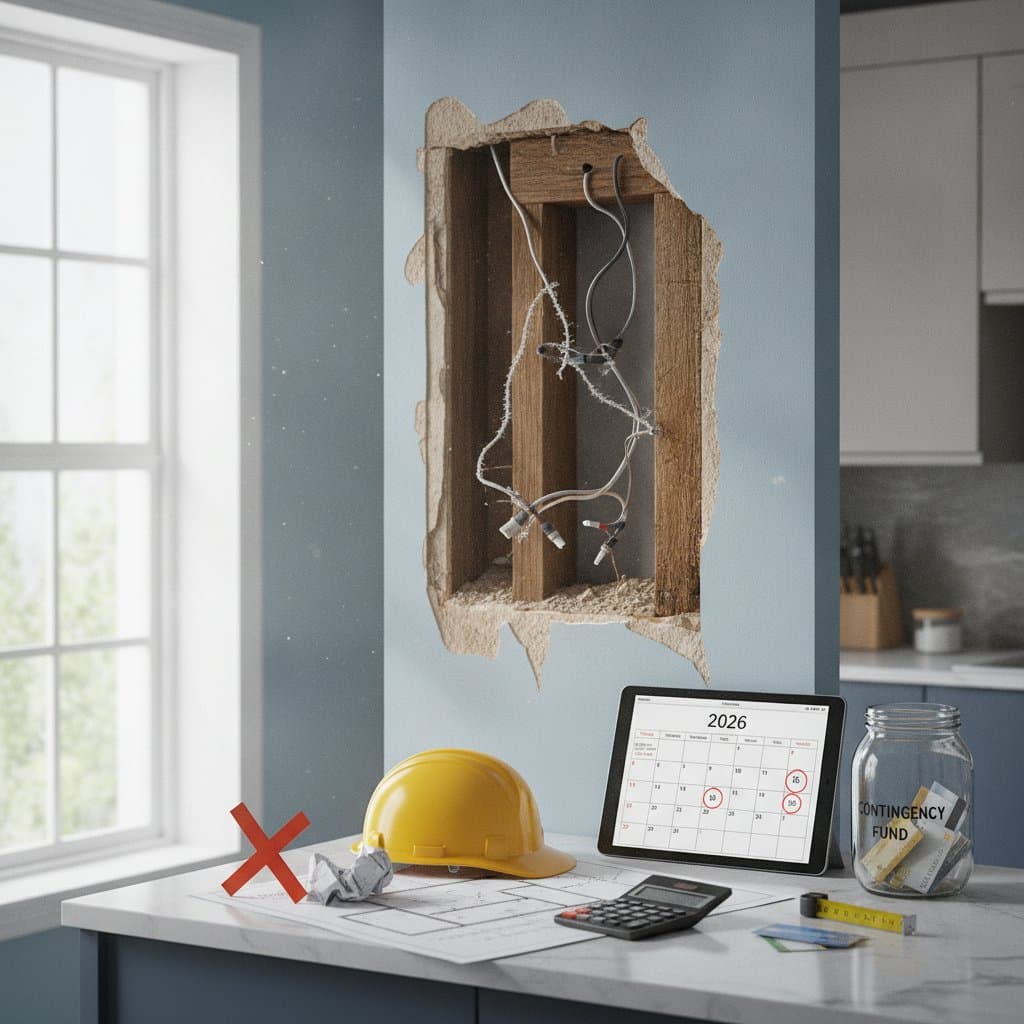


Unseen Remodeling Expenses That Derail Budgets
Home renovation projects begin with enthusiasm and detailed visions, yet they often encounter unexpected financial hurdles. Professional builders recognize these challenges as foreseeable with proper foresight. The following eight budgeting principles, drawn from years of guiding clients through transformations, equip you to anticipate and mitigate costs that could otherwise overwhelm your plans.
1. Account for Permits and Inspections
Problem: Local regulations require approvals that many overlook in initial estimates.
Context: Renovations involving structural changes, electrical work, or plumbing demand permits, and inspections verify compliance.
Solution: Consult your local building department at the project's outset to identify required permits and associated fees. Factor in inspection schedules to avoid delays.
Technical detail: Fees vary by location but typically range from fifty to several hundred dollars per permit, with re-inspections adding extra charges.
Benefit: Compliance ensures legal protection and prevents costly rework from failed inspections.
2. Plan for Utility Upgrades
Problem: Aging plumbing and electrical infrastructure seldom aligns with contemporary codes.
Context: Property owners frequently presume current systems support new configurations or equipment.
Solution: Engage certified electricians and plumbers to assess capacity during the planning phase. Upgrade service panels or water lines proactively to avert post-completion issues.
Technical detail: Opt for copper or PEX piping for durability, and use flexible conduit to streamline rewiring efforts.
Benefit: These enhancements guarantee sustained reliability and adherence to safety regulations.
3. Anticipate Structural Surprises
Problem: Concealed issues in walls, foundations, or roofs emerge during demolition.
Context: Older homes hide rot, mold, or outdated framing that initial walkthroughs miss.
Solution: Conduct a thorough pre-renovation inspection by a structural engineer. Allocate funds for potential reinforcements or repairs discovered on-site.
Technical detail: Asbestos or lead abatement, if present, requires specialized handling and certification.
Benefit: Early detection minimizes disruptions and preserves the project's timeline.
4. Expect Material Price Fluctuations
Problem: Costs for essentials like lumber and drywall fluctuate due to market demands.
Context: Quotes prepared during design may prove inaccurate by construction start.
Solution: Secure price commitments from vendors or acquire critical materials once designs solidify.
Technical detail: Monitor indices for items such as gypsum board, plywood, and metal framing to gauge trends.
Benefit: This approach shields your finances from volatile supply chain impacts.
5. Prepare for Labor and Scheduling Delays
Problem: Skilled tradespeople face high demand, leading to extended timelines and higher wages.
Context: Supply chain interruptions or weather events compound scheduling challenges.
Solution: Build buffer time into your contract and select contractors with proven track records. Negotiate penalties for delays to incentivize efficiency.
Technical detail: Overtime rates can increase labor costs by twenty-five percent or more during peak seasons.
Benefit: Realistic timelines reduce rush fees and maintain quality standards.
6. Plan for Temporary Living Costs
Problem: Residing on-site amid construction proves disruptive for most households.
Context: Dust accumulation, persistent noise, and restricted access to essential areas hinder routines.
Solution: Estimate expenses for accommodations like hotels or rentals, plus daily meals, during intensive phases.
Technical detail: Align with your contractor to phase work that necessitates relocation, such as kitchen overhauls.
Benefit: This strategy alleviates family stress and supports uninterrupted progress.
7. Reserve Funds for Design Adjustments
Problem: Mid-project refinements or client changes inflate expenses unexpectedly.
Context: Evolving preferences or unforeseen site conditions prompt scope alterations.
Solution: Establish a change order protocol in your agreement, requiring written approval and cost estimates before proceeding.
Technical detail: Track all modifications with detailed logs to avoid disputes over final billing.
Benefit: Controlled adaptations keep the project aligned with your vision without budget overruns.
8. Budget for Final Touches and Cleanup
Problem: Concluding elements consume remaining resources more rapidly than anticipated.
Context: Items like fixtures, trim, and thorough post-construction cleaning accumulate charges.
Solution: Dedicate a specific budget segment solely for completion activities.
Technical detail: Hiring professionals for final sanitization often incurs fees of several hundred dollars.
Benefit: A polished finish elevates the outcome and prepares your space for immediate enjoyment.
Secure Your Renovation Finances
Adopting these principles transforms remodeling from a potential ordeal into a manageable endeavor. Professionals emphasize proactive discussions with designers and contractors to integrate detailed estimates and contingency reserves. With clear strategies in place, you achieve a seamless evolution of your home that aligns with both your aspirations and financial boundaries.