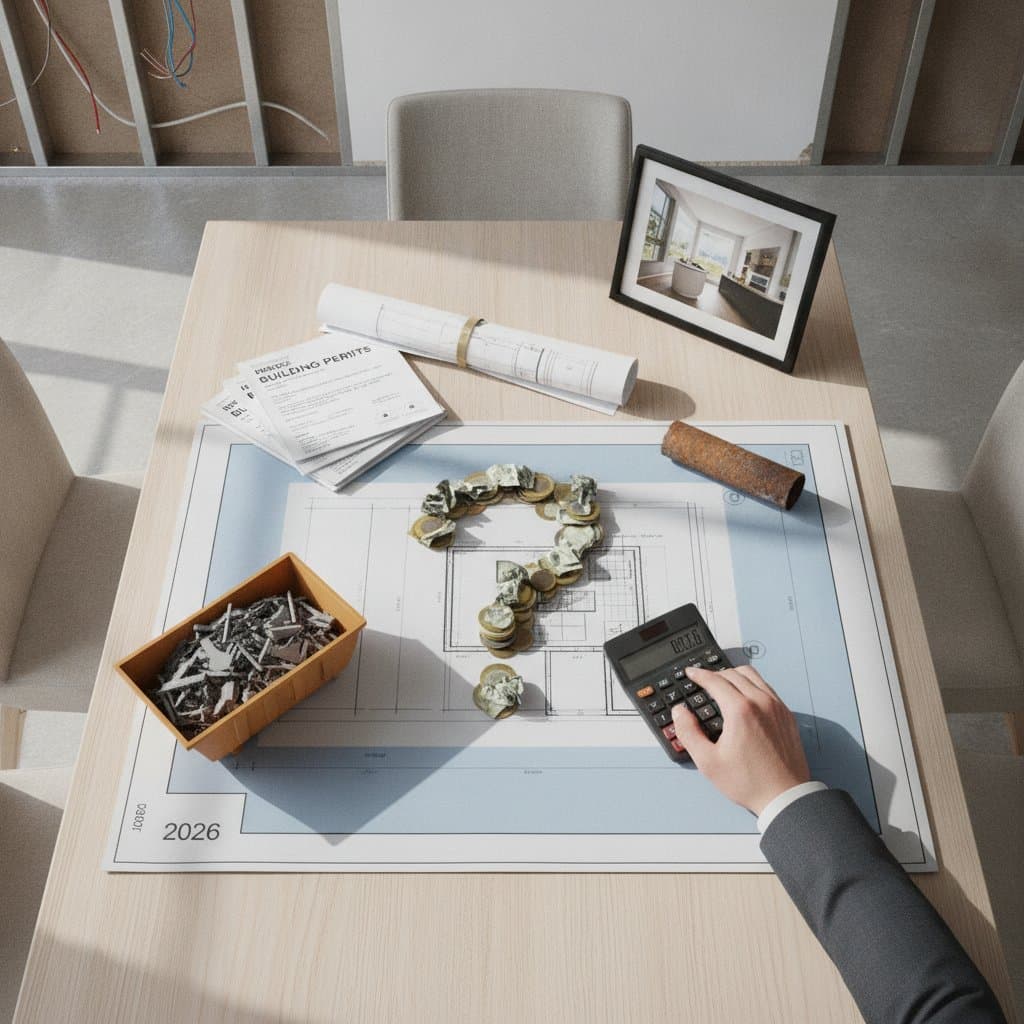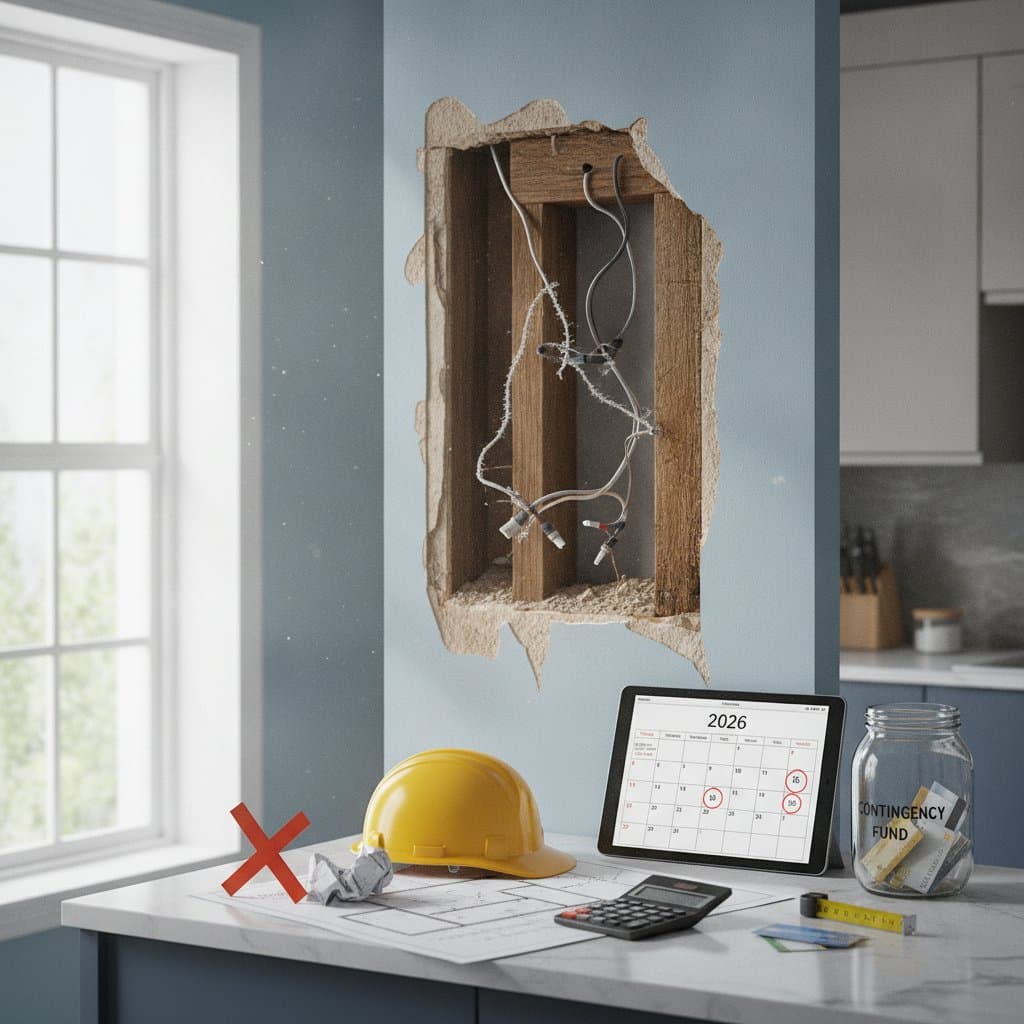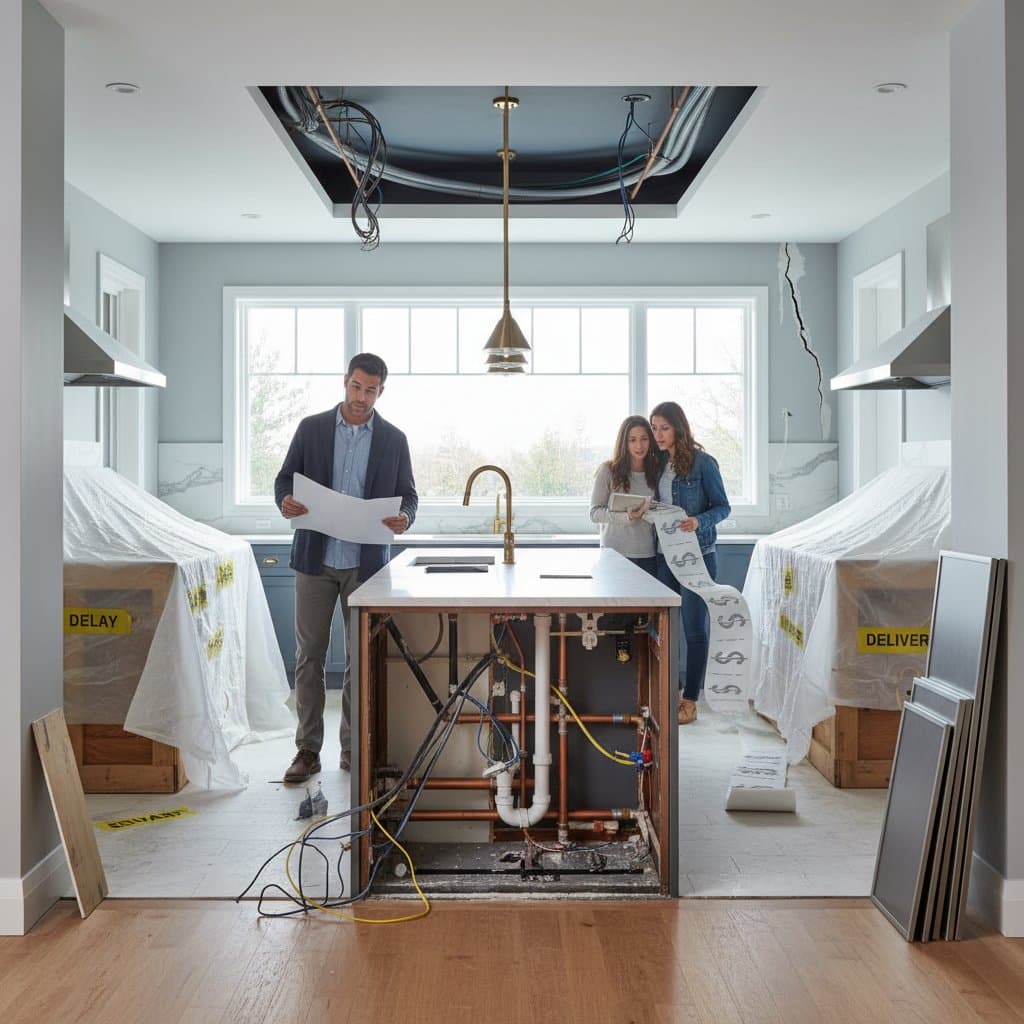
Uncovering Hidden Budget Traps in 2025 Kitchen Remodels
Homeowners frequently search for trends like open shelving, smart appliances, and premium stone surfaces on leading design sites. However, these appealing elements often mask underlying expenses that push projects over budget. Professionals in design and construction note that more than half of clients underestimate total costs by at least 20 percent, not due to lavish choices but because unforeseen issues emerge during the process.
For anyone preparing a kitchen renovation, understanding these subtle challenges proves essential. The following sections examine eight common scenarios drawn from actual projects. Each includes details on materials, design approaches, and professional recommendations to identify cost drivers early and implement controls before work commences.
1. Plumbing Relocation
Relocating a sink or dishwasher appears straightforward in initial plans, but navigating pipes through confined subfloors or solid concrete slabs significantly increases labor demands.
Project Location: Austin bungalow
Designer: Sean Ortega of Brightline Interiors
Materials: Brushed nickel faucet, honed soapstone counters
Design Approach: Sean positioned the sink under a new window to maximize natural light, establishing a serene central feature.
Functional Advantages: This adjustment enhances the efficiency of movement between the sink, stove, and refrigerator.
Aesthetic Effects: Sunlight reflects off the brushed metal, complementing the deep tones of the soapstone for harmonious visual balance.
Budget Insight: Each additional foot of pipe requires specialized fittings, building permits, and potential structural modifications. To minimize escalation, position fixtures near their existing locations whenever possible. Consult a plumber during the planning phase to obtain precise cost estimates based on your home's layout.
2. Cabinet Customization
Standard stock cabinets offer affordability, but alterations to dimensions or surface treatments lead to sharp cost increases that catch many off guard.
Project Location: Portland Craftsman home
Designer: Emily Tran of Atelier North
Materials: Painted maple cabinetry, satin bronze pulls
Design Approach: Emily adapted semi-custom units to accommodate irregular wall surfaces, applying a soft gray finish for enduring elegance.
Functional Advantages: The modifications optimize storage in corners and ensure seamless counter connections.
Aesthetic Effects: Bronze hardware provides a subtle luster against the gray, infusing the space with contemporary sophistication.
Budget Insight: Adjustments to custom cabinets can add several hundred dollars per unit due to additional fabrication time. Conduct thorough wall measurements prior to ordering to eliminate the need for on-site resizing. Consider semi-custom options that allow minor tweaks without full customization fees.
3. Flooring Transitions
Installing new kitchen flooring frequently uncovers mismatches in height with adjacent areas, leading to unanticipated adjustments.
Project Location: Denver row house
Designer: Carla Ruiz of Studio Mesa
Materials: Wide-plank white oak, matte polyurethane finish
Design Approach: Carla evened out the subfloor and laid continuous planks to eliminate raised edges.
Functional Advantages: This creates fluid transitions between the kitchen and dining spaces, improving safety for children and pets.
Aesthetic Effects: The consistent wood grain pattern expands the perceived size of the area.
Budget Insight: Leveling subfloors or shortening doors incurs rapid expenses, often exceeding initial projections. Verify the thickness of selected flooring against existing levels before purchase. Work with your contractor to map out transition solutions in advance, such as tapered thresholds, to avoid rework.
4. Permitting Delays
Obtaining municipal permits feels routine, but postponed inspections or required plan changes prolong timelines and amplify associated fees.
Project Location: Raleigh suburban home
Designer: Dana White of Haven Architecture
Materials: Subway tile backsplash, quartz composite counters
Design Approach: Dana reorganized the layout to enhance airflow and meet current building codes.
Functional Advantages: Better ventilation promotes healthier air and a more secure cooking zone.
Aesthetic Effects: Bright white tiles distribute light evenly, fostering a pristine atmosphere.
Budget Insight: Repeated permit submissions halt progress for weeks, extending contractor billing and temporary housing needs. Engage a designer versed in local codes to prepare compliant plans from the outset. Build buffer time into your schedule, allocating at least four weeks for approvals.
5. Ventilation Upgrades
Existing duct systems frequently prove inadequate for powerful new cooktops, necessitating upgrades that were not originally anticipated.
Project Location: Los Angeles hillside residence
Designer: Mark Lin of Horizon Studio
Materials: Brushed stainless hood, terrazzo wall tile
Design Approach: Mark updated aging ducts and integrated a low-noise motor that vents via the roof.
Functional Advantages: The system reduces operational noise and improves air purity during meal preparation.
Aesthetic Effects: The hood's clean lines offset the textured terrazzo, adding depth to the design.
Budget Insight: Rerouting ducts to the roof or exterior can double the price of mechanical installations. Assess ventilation requirements alongside appliance selections early on. Opt for exterior venting options if internal paths pose challenges, and include these in your initial contractor bid.
6. Hidden Water Damage
Demolition often reveals concealed water damage from gradual leaks beneath cabinets and flooring, demanding immediate and costly interventions.
Project Location: Brooklyn brownstone
Designer: Rafael Torres of Urban Elements
Materials: Waterproof underlayment, reclaimed pine floors
Design Approach: Rafael incorporated salvaged wood to preserve the building's heritage while mitigating moisture risks.
Functional Advantages: Protective layers prevent mold development and prolong the durability of the flooring.
Aesthetic Effects: The wood's natural aging pairs effectively with updated elements for a blended look.
Budget Insight: Undetected issues can lead to repairs costing thousands if addressed post-installation. Schedule a professional inspection of plumbing lines and substructures as soon as demolition begins. Allocate a contingency fund of 10 to 15 percent for such discoveries, and prioritize moisture-resistant materials in vulnerable areas.
7. Disposal and Hauling Fees
Demolished cabinets, tiles, and drywall produce substantial debris, with disposal charges fluctuating based on local rates and quantity.
Project Location: Kansas City ranch home
Designer: Peter Lang of Heritage Design Works
Materials: Natural oak cabinets, concrete-look tile
Design Approach: Peter reduced debris by redirecting usable items to community reuse programs.
Functional Advantages: This approach lowers environmental impact and cuts down on removal expenses.
Aesthetic Effects: Fresh materials maintain the home's authentic character while refreshing the space.
Budget Insight: Hauling services may not cover full volumes, leading to extra charges. Inquire whether disposal forms part of the contractor's quote, and explore dumpster rentals for larger projects to control costs. Plan material donations in advance to streamline the process and potentially qualify for tax benefits.
8. Delivery Delays and Storage Fees
Premature arrivals of appliances or cabinets incur storage penalties if the renovation site remains unprepared.
Project Location: Phoenix modern home
Designer: Tony Alvarez of Mesa Design Group
Materials: Textured laminate cabinetry, stainless hardware
Design Approach: Tony aligned delivery timelines with key construction phases to avoid downtime.
Functional Advantages: Coordinated scheduling maintains project momentum and minimizes site disarray.
Aesthetic Effects: Stainless accents against laminate deliver a sharp, streamlined appearance.
Budget Insight: Unsynchronized deliveries result in warehousing fees that accumulate quickly. Develop a detailed timeline with your contractor and suppliers to match orders with readiness. Choose vendors offering flexible delivery windows, and confirm storage policies upfront to prevent avoidable outlays.
Securing Your Renovation Budget
Anticipating these hidden costs transforms a potential ordeal into a manageable endeavor. Integrate expert consultations early, maintain detailed records of measurements and permits, and reserve a buffer in your finances for surprises. With these strategies, your 2025 kitchen remodel will deliver lasting value without financial strain.