
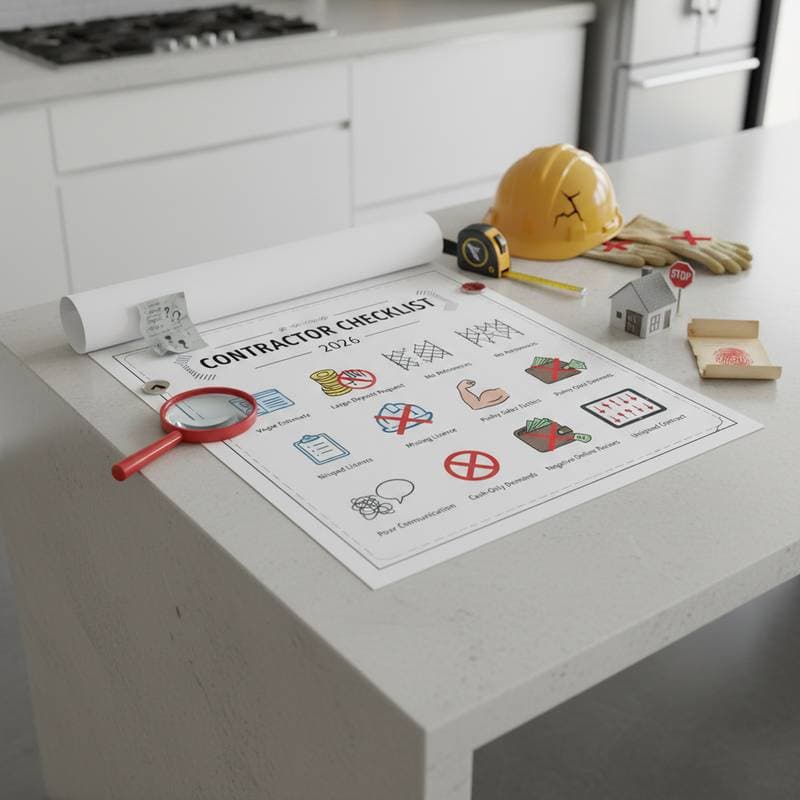
Key Contractor Warning Signs Every Homeowner Must Know
Every homeowner has heard stories of projects that started with excitement and ended in stress, unfinished work, and lost money. The truth is that most construction nightmares can be traced back to early warning signs that were ignored. Reliable contractors leave clear trails of professionalism. Bad ones reveal themselves through small but telling details.
Knowing what to look for can save months of frustration and thousands of wasted dollars. The rules below come from years of managing residential builds, remodels, and client rescues after poor workmanship. Each rule rests on real world experience and practical thinking.
1. Unrealistically Low Bids Signal Potential Issues
Many homeowners choose the lowest quote because they assume it saves money. Underbidding often hides poor quality or future upcharges. When three contractors quote similar amounts and one comes in far lower, the homeowner may sign eagerly only to face unexpected costs later.
Compare bids line by line. Ask where the difference comes from if one quote is far cheaper. Reliable contractors price transparently rather than competitively at any cost. Labor rates, permits, and material quality should stay consistent across bids. A large deviation usually means cost cutting in hidden areas such as prep work or insulation.
Choosing a fair and transparent bid avoids mid project disputes. It also ensures the work meets lasting quality standards.
2. Poor Communication Predicts Poor Execution
A contractor who ignores messages, avoids questions, or stays vague about details is often disorganized. When you ask for a schedule update and receive excuses or no reply for days, the pattern usually reflects how the contractor manages the crew and materials.
Test responsiveness early. Send a few detailed questions before signing anything. If communication stays slow or incomplete, move on. Professional contractors use written communication for clarity, often through email or project management apps.
Clear communication ensures ideas translate accurately on site. It also keeps the project timeline realistic.
3. Pressure Tactics Reveal Cash Flow Concerns
A contractor who pressures you to sign today or lock in a deal is often more concerned about cash flow than your project. Claims that materials are running out or that prices will rise overnight usually prove false.
Take time to compare options, check reviews, and verify credentials. A reputable contractor respects the decision process. Real material suppliers rarely hold prices for less than a project lead time, yet legitimate quotes remain valid for reasonable periods.
Avoiding pressure driven commitments ensures quality over impulse. It also prevents later regret.
4. Constant Excuses and Missed Deadlines Indicate Disorganization
Delays happen, but endless excuses signal disorganization or poor planning. When the contractor blames weather, suppliers, or the crew for every slip while other trades finish on time, the issue lies with management.
Include milestones and payment triggers tied to completed phases rather than vague timeframes. Monitor progress weekly. A reasonable residential remodel averages one week per major phase such as framing or finishing. Deviations need documented reasons.
Structured scheduling keeps the job on track. It also discourages lazy or dishonest practices.
Selecting the Right Contractor for Lasting Results
Apply these checks before signing any agreement. Verify each point through direct questions and written records. The effort protects time, money, and the final quality of the work.