
2025 Renovation Pitfalls: Concealed Expenses That Overrun Budgets
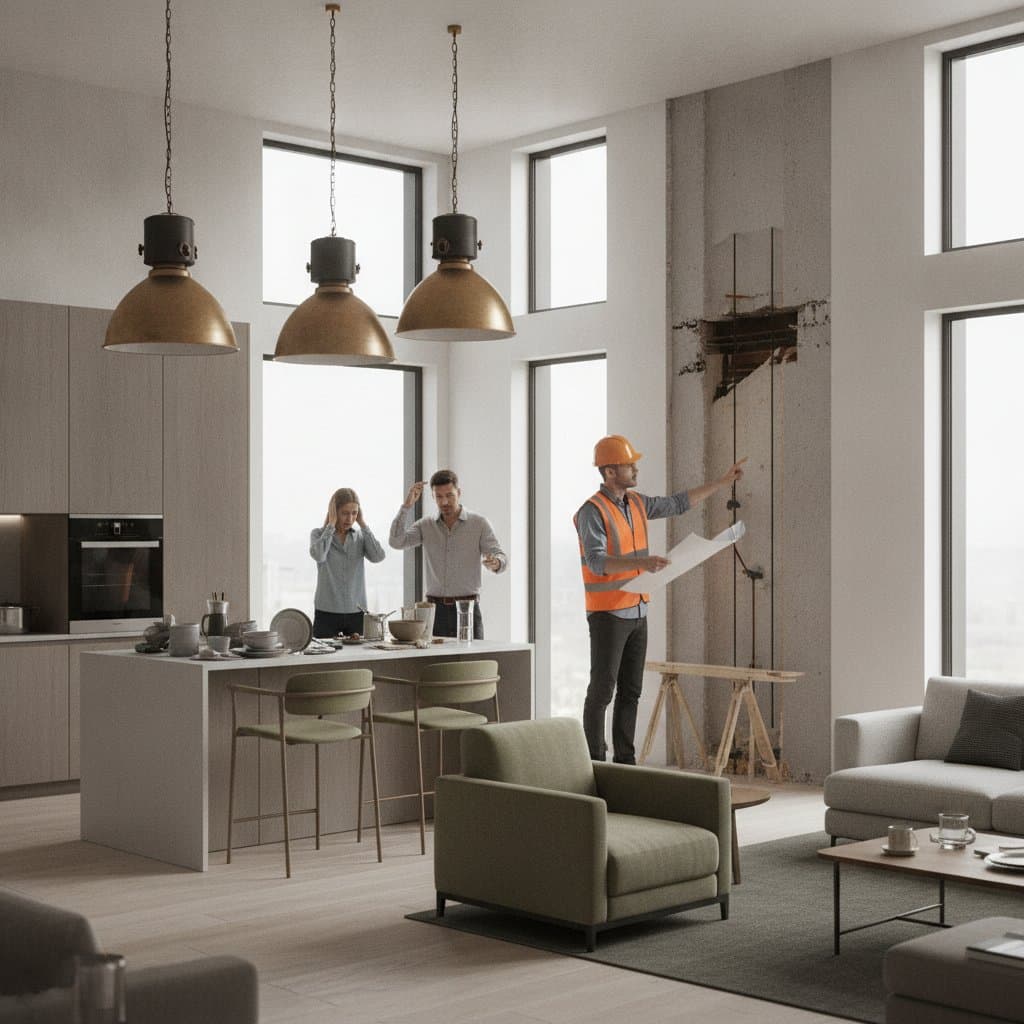
Homeowners approach major renovations with enthusiasm, a defined vision, and an apparently feasible budget. Surprises soon emerge, however. Concealed expenses accumulate, timelines extend, and the ultimate invoice bears little resemblance to the initial projection. In reality, every renovation involves potential hazards that erode finances without meticulous preparation.
The encouraging aspect lies in established professional guidelines that mitigate these hazards. As an architect who has directed numerous residential projects, the author observes recurring expense pitfalls. Awareness of these pitfalls enables more intelligent design, construction with reduced disruptions, and completion within financial limits.
The following represent essential guidelines to maintain renovation budgets accurately and effectively.
Rule 1: Anticipate Electrical and Plumbing Modernizations
Problem: Numerous older residences feature obsolete electrical and plumbing systems that fail to satisfy contemporary regulations or appliance demands.
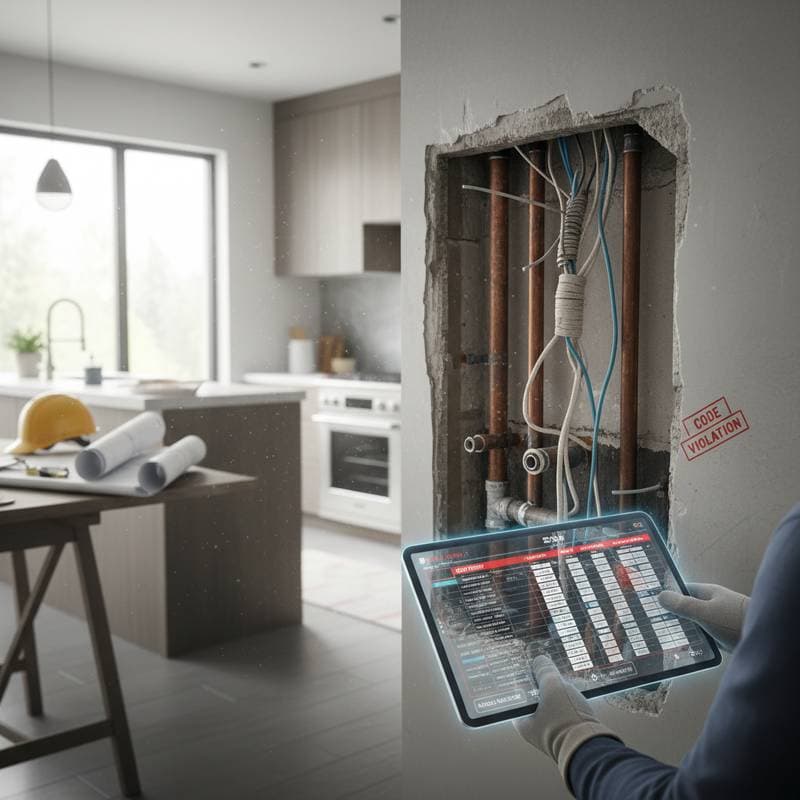
Context: Plans for installing recessed illumination, updated appliances, or an expansive shower proceed smoothly until walls expose fragile copper conduits or inadequately grounded circuits. Replacement becomes necessary for security and adherence, escalating expenses by thousands.
Solution: Direct the contractor to examine service panels, circuit branches, and primary plumbing routes prior to design approval. If the electrical capacity falls below 200 amps, allocate resources for enhancement. Identify any galvanized or polybutylene pipes, which necessitate substitution amid the work.
Technical Detail: Modernizing an electrical panel to prevailing standards typically incurs costs in the thousands. Updating supply lines varies by material and accessibility, often adding substantial fees per linear foot. Incorporate reserve funds specifically for these enhancements.
Outcome: Foreseeing system modernizations averts disruption during execution and promotes enduring reliability and protection.
Rule 2: Confirm Regulatory Standards Prior to Design Completion
Problem: Individuals frequently create appealing layouts that require subsequent adjustments for regulatory compliance, squandering time and resources.
Context: A envisioned basement apartment might lack sufficient egress openings, or a fresh deck could infringe upon distance mandates. Alterations demand redesign and renewed approvals, postponing progress and amplifying expenditures.
Solution: Validate municipal construction regulations and zoning limitations before settling on blueprints. Collaborate with a certified expert familiar with local stipulations for airflow, thermal barriers, and safeguards. Officials from building departments offer insights into ambiguous provisions at the outset.
Technical Detail: Regulatory adherence influences aspects from riser dimensions to insulation efficiency ratings. Violations invite penalties or mandatory corrections, expenses that surpass those of compliant initial planning.
Outcome: Designs rooted in authentic regulatory insight ensure legality, security, and fiscal reliability.
Rule 3: Account for Interim Housing and Construction Site Expenses
Problem: Participants commonly overlook allocations for ancillary renovation impacts, including provisional accommodations, storage solutions, or site preparations.
Context: Kitchen or comprehensive home overhauls render on-site residency impractical owing to particulates, acoustics, or utility interruptions. Leasing alternative quarters or securing possessions introduces unforeseen outlays.
Solution: Assess the portions of the property that stay habitable throughout building activities. When essential services such as water supply or climate control cease, arrange for off-site arrangements. Budget for container rentals, mobile sanitation units, and perimeter barriers.
Technical Detail: Interim lodging may accumulate thousands monthly. Site arrangements encompass waste receptacles, temporary amenities, and zones for deliveries, frequently itemized distinctly by builders.
Outcome: Projecting these supplementary expenses forestalls abrupt fiscal pressure and alleviates construction-related tension.
Rule 4: Reserve Funds for Property Discoveries and Concealed Elements
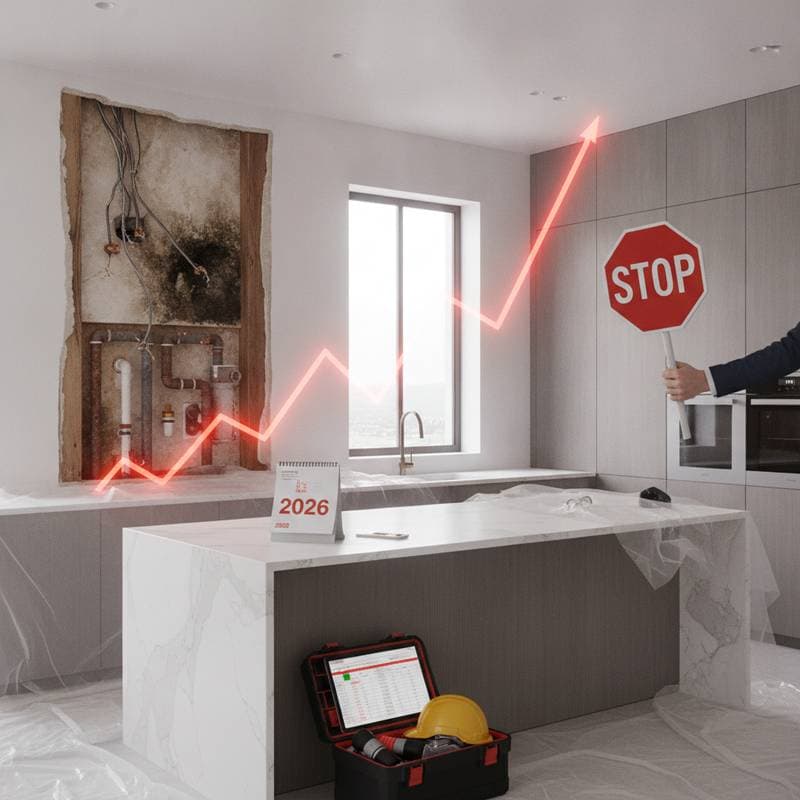
Problem: Invisible factors prove costly. Revelations such as irregular underlayments, base fissures, or inadequate thermal layers surface solely post-dismantling.
Context: Extraction of legacy surfaces discloses depressed substrates or compromised supports. Remedies involve foundational reinforcement and fresh supplies, all unanticipated.
Solution: Establish a reserve amounting to ten to fifteen percent of total building allocation. This buffer addresses uncertainties without halting advancement. Prompt the builder to perform targeted removals in vulnerable zones before cost finalization.
Technical Detail: Reserves form a staple in expert building estimates. Preliminary exposures permit evaluation of obscured regions beforehand, detecting concerns like pest infestations or hazardous substances.
Outcome: Effectively handled reserves function as protection against unforeseen elements and sustain project momentum.
Rule 5: Scrutinize Builder Proposals and Comprehensive Coverage
Problem: Minimalist offers frequently conceal omitted elements, manifesting as supplementary charges after initiation.
Context: Acceptance of the cheapest quote for lavatory renewal leads to discoveries that surfacing protections, dismantling, or waste management exclude coverage. The concluding sum exceeds the thorough estimate originally dismissed.
Solution: Solicit itemized quotations detailing supplies, workforce, and provisions. Evaluate alongside an architect or seasoned advisor to identify gaps in scope. Steer clear of imprecise phrasing such as "as needed" or "owner-supplied."
Technical Detail: Thorough proposals enumerate specific brands for installations, area allocations for surfaces, and complete site restoration with refuse handling. Seek explanations before contract execution.
Outcome: Clear proposals eradicate concealed outlays and furnish a trustworthy foundation for builder evaluations.
Sustaining Your Renovated Space
Following renovation completion, genuine fulfillment arises from inhabiting a residence that operates efficiently and mirrors lifestyle patterns. Maintaining documentation of choices, components, and guarantees facilitates ongoing upkeep.
Strategic foresight into concealed expenses reflects prudence rather than caution. Renovations invariably present challenges, yet preparation transforms them into controlled occurrences instead of monetary setbacks. Apply these guidelines as fortifications for your endeavor.