12 Unexpected Remodeling Costs Homeowners Face
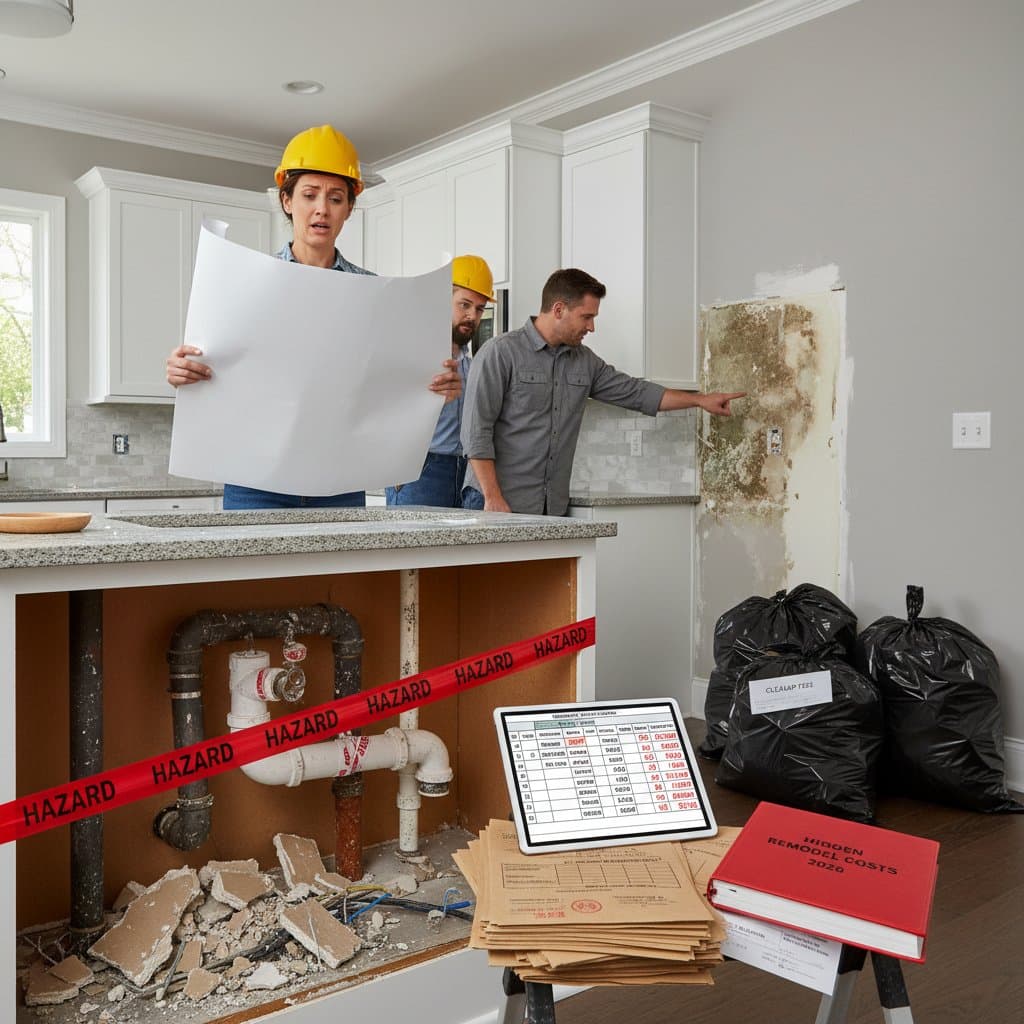
Imagine overseeing a kitchen renovation where new cabinets arrive on schedule and progress feels steady. Then, a contractor identifies an unforeseen plumbing complication or a mandatory permit expense not accounted for in initial estimates. Such revelations can erode confidence in your budget. Awareness of potential hidden costs empowers homeowners to maintain oversight and reduce anxiety throughout the process.
The following sections detail twelve prevalent expenses that frequently surprise renovators. Each includes preparation strategies to integrate into your planning phase.
1. Permit and Inspection Fees
Local regulations typically mandate permits for alterations involving structure, electrical systems, or plumbing. Fees vary by jurisdiction and project scope, ranging from a few hundred to several thousand dollars for comprehensive work. Homeowners should consult their contractor early to identify required permits and allocate funds accordingly. This step prevents delays from compliance issues.
2. Structural Surprises Behind Walls
Demolition often reveals deteriorated wiring, compromised studs, or obsolete building materials concealed within walls. Remediation ensures structural integrity and adherence to safety standards, potentially extending the timeline by multiple days. Experts recommend establishing a contingency reserve of ten to fifteen percent of the total budget. Schedule a pre-demolition assessment to gauge risks and adjust plans proactively.
3. Outdated Electrical or Plumbing Systems
Properties built decades ago commonly require modernized wiring, additional outlets, or replaced pipes to comply with contemporary building codes. A modest bathroom update might uncover rusted conduits or inadequate electrical capacity. Engage a professional inspector prior to starting demolition. This evaluation highlights necessary upgrades and allows for precise cost forecasting.
4. Delivery and Transportation Costs
Bulk items such as granite countertops, extensive flooring, or heavy appliances incur shipping charges from suppliers. Additional fees apply for navigating stairs, extended driveways, or remote locations. Review supplier policies thoroughly before finalizing purchases. Negotiate inclusive delivery options or select local vendors to minimize these expenditures.
5. Waste Disposal and Cleanup
Projects generate substantial debris, necessitating rentals for dumpsters, professional hauling, and site cleaning services. These elements operate outside core construction bids and can accumulate unexpectedly. Specify responsibility for waste management in your contract. Budget separately for these services to avoid interruptions in workflow.
6. Temporary Living Arrangements
Disruptions from unavailable kitchens or bathrooms may compel increased dining out or short-term relocation. Daily costs for meals, lodging, or alternative routines mount over weeks. Evaluate project impacts on daily life during planning. Reserve a dedicated fund for such contingencies to accommodate household needs without financial strain.
7. Change Orders
Modifications initiated after construction commences demand additional labor, materials, and scheduling adjustments. Selecting an alternative tile shade, for instance, requires sourcing new supplies and reallocating worker time. Finalize all design choices well before groundbreaking. Document preferences in writing to curb impulsive decisions that escalate expenses.
8. Hidden Water Damage
Concealed moisture can erode subfloors, foster mold growth, or weaken insulation behind surfaces. Immediate intervention prevents health hazards and further deterioration. Instruct contractors to inspect for dampness indicators during initial walkthroughs. Employ moisture detection tools early to address issues before they compound.
9. Upgraded Finishes
Browsing showrooms often tempts selections of premium tiles, fixtures, or cabinetry beyond original plans. Individual enhancements, though appealing, aggregate into significant outlays. Develop a comprehensive materials inventory prior to shopping. Adhere to this list and allocate a modest allowance for discretionary upgrades only after essentials are secured.
10. Utility Relocation
Repositioning sinks, electrical outlets, or ventilation systems involves intricate rerouting of pipes, wires, or ducts. This process demands specialized skills and supplementary resources. Design layouts that preserve proximity to existing infrastructure. Consult with tradespeople during the design phase to optimize placements and control costs.
11. Contractor Red Flags
Bids substantially below market rates or aggressively shortened timelines signal potential for deferred expenses reclassified as surprises. Thorough vetting mitigates these risks. Verify contractor credentials through references, insist on detailed breakdowns in proposals, and clarify inclusions explicitly. Select partners who prioritize transparency to safeguard your financial commitments.
12. Post-Project Touch-Ups
Completion phases frequently uncover minor imperfections, such as mismatched paint, misaligned trim, or adjusted hardware. These refinements polish the final appearance and functionality. Anticipate one to two percent of the budget for such details. Schedule a comprehensive walkthrough with your contractor to catalog and resolve them systematically.
Strategies to Control Remodeling Expenses
Renovation endeavors thrive on thorough foresight rather than reactive measures. Scrutinize contracts for comprehensive coverage, pose inquiries about potential variables upfront, and incorporate a robust buffer into financial projections. These practices shield your resources and foster a seamless transition to your enhanced living space. Ultimately, proactive planning transforms challenges into manageable elements, preserving the satisfaction of a successful project.