
Open Concepts Fade: Walls Return to Kitchens
A recent Home Improvement Insights survey reveals that 58 percent of homeowners prefer partially enclosed kitchens over fully open plans. This trend signals a broader evolution in renovation choices. Homeowners increasingly prioritize separation, privacy, and sound management after experiencing the drawbacks of constant openness. The open-concept kitchen once represented family unity, yet persistent visibility and noise often interrupt routines.
Identifying the Problem: The Hidden Costs of Openness
Open-concept designs surged in popularity during the housing boom, with walls removed to create expansive sightlines and social centers. Homeowners frequently overlooked the long-term financial and functional impacts. Larger shared spaces demand higher energy for heating and cooling. Appliance sounds and chatter echo throughout, while cooking smells persist.
A Remodeling Market Trends report indicates that nearly 40 percent of those who adopted open kitchens later expressed frustration with noise and odor control. These households encountered an average 12 percent rise in utility expenses. Such costs rarely surface in early planning stages.
Interior project manager Dana Li of MetroBuild Consulting observes, "The open concept was sold as a lifestyle upgrade, but from a project management perspective, it rarely pencils out for families who cook daily." Li has directed over 200 kitchen remodels and reports growing requests for visual barriers that avoid complete seclusion.
Professional Context: Why the Market is Reversing
Reinstating walls aligns with evolving home usage patterns. Remote work, home schooling, and multi-generational households heighten needs for sound and visual divisions. Real estate insights confirm that buyers favor adaptable, zoned areas over seamless expanses.
The National Housing Preferences study shows homes featuring semi-closed kitchens sell 8 percent quicker than fully open counterparts. Appraisers link this to superior space utility and energy savings. Builders now promote "zoned kitchens" or "connected rooms" in their offerings.
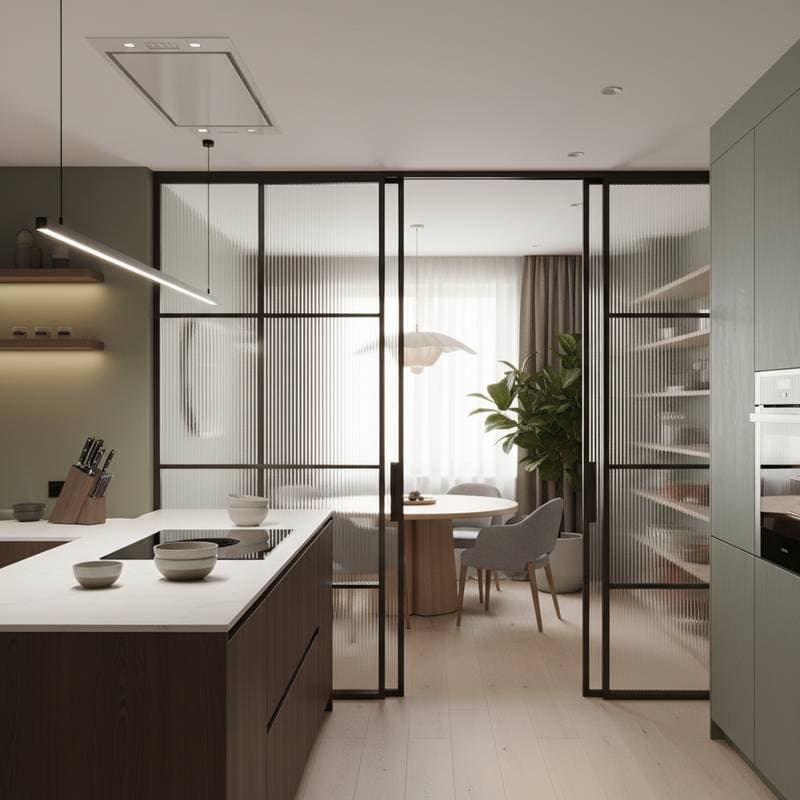
Architectural designer Robert McNeil of Northline Studio states, "Clients want connection, not chaos. We design with framed openings or glass partitions that control noise and sightlines while keeping light flow." His firm has seen a 35 percent uptick in wall reinstallations over the last two years, especially in spacious suburban layouts.
Step-by-Step: How to Reintroduce Walls Without Losing Flow
Homeowners transitioning from open to semi-closed kitchens benefit from a methodical process to curb expenses and ensure harmony.
Step 1: Assess Current Layout and Traffic Patterns
Conduct a thorough layout review. Pinpoint areas where noise, odors, or clutter cause disruption. Map movement between cooking, dining, and living zones. Engage a space planner to suggest wall positions that preserve ease of use.
Step 2: Develop Initial Cost Estimates
Wall reconstruction involves more than basic framing; include drywall, electrical adjustments, and HVAC modifications. Contractors quote 60 to 120 dollars per square foot, varying by material quality. Kitchen projects incur extra if cabinets or pipes shift.
Step 3: Apply Value Engineering
This technique optimizes function against budget. Opt for half-walls, sliding screens, or glass barriers over solid barriers. BuildSmart Analytics data suggests these hybrids cut costs by 25 percent versus complete rebuilds.
Step 4: Plan for Visual Cohesion
New walls demand seamless integration. Align flooring, ceilings, and lights to avoid fragmentation. Interior architect Sonia Patel of Design Axis advises, "A new wall should look intentional, not like a patch. Matching materials and lighting lines keeps the project looking unified."
Step 5: Review Permits and Structural Requirements
Load-bearing walls necessitate engineering reviews and approvals. Improper handling poses safety hazards. Consult a licensed architect or engineer prior to starting work.
Cost Considerations and Budget Controls
Effective budgeting anchors successful renovations. Adding a single partition wall in a mid-range setup ranges from 5,000 to 12,000 dollars. Relocating wiring or ducts can push totals to 15,000 dollars or higher.
To sidestep unexpected charges:
- Allocate a 15 percent contingency for issues like concealed wiring or floor irregularities.
- Obtain itemized proposals from three contractors to spot overcharges.
- Account for finish enhancements, which may add 10 to 20 percent.
Financial advisor Grace Alston from Property Economics Group notes, "Homeowners often underestimate finishing expenses. The wall itself may cost a few thousand dollars, but matching cabinetry, tile, and lighting can double that figure. A clear cost breakdown prevents regret later."
Professional Resources and Team Coordination
Partial enclosure projects demand collaboration among experts.
- Architect or Designer: Develops layouts and maintains style consistency.
- Contractor: Oversees building phases and regulatory adherence.
- Electrician and HVAC Specialist: Handles system relocations securely.
- Project Manager: Monitors finances, coordinates checks, and logs alterations.
Separate hires might appear economical, yet design-build teams streamline expenses through unified oversight. Their comprehensive quotes and dialogue minimize setbacks.
During selections, inquire:
- How many enclosed or semi-enclosed kitchen projects have you managed?
- Can you provide detailed cost tracking reports?
- How do you handle design changes mid-project?
Early candor establishes feasible timelines.
Risk Mitigation and Quality Control
Renovations invite challenges like cost escalations or delays. Counter them by:
- Securing fixed-price agreements to limit surprises.
- Holding weekly financial check-ins with the contractor.
- Recording modifications in writing to avert conflicts.
- Conducting frequent site visits or appointing an external overseer.
Home renovation specialist Elena Morris from BuildTrack Consulting explains, "Most overruns come from scope drift. Homeowners start with one partition, then decide to add cabinetry or relocate lighting. Discipline in scope management protects both budget and timeline."
Market Outlook: Why Closed Kitchens May Hold Value
Analysts forecast sustained interest in delineated kitchen areas as families emphasize efficiency and seclusion. Enclosed designs shrink air-conditioned volumes, potentially trimming heating and cooling by 20 percent in certain regions. They foster dedicated cooking zones, attracting avid cooks and future purchasers.
Real estate consultant David Chen from PrimeValuation asserts, "Buyers now associate enclosed kitchens with functionality and comfort. It signals thoughtful design rather than trend chasing. Homes with flexible partitions or traditional layouts tend to appraise higher per square foot."
Protecting Your Renovation Investment
After installing walls, routine care sustains value. Check for cracks from settling in the initial months. Refresh paint in busy zones to uphold uniformity. Ensure access to mechanical elements remains unobstructed for eventual servicing.