The 2025 Checklist for Creating a Leak-Proof Wet Room
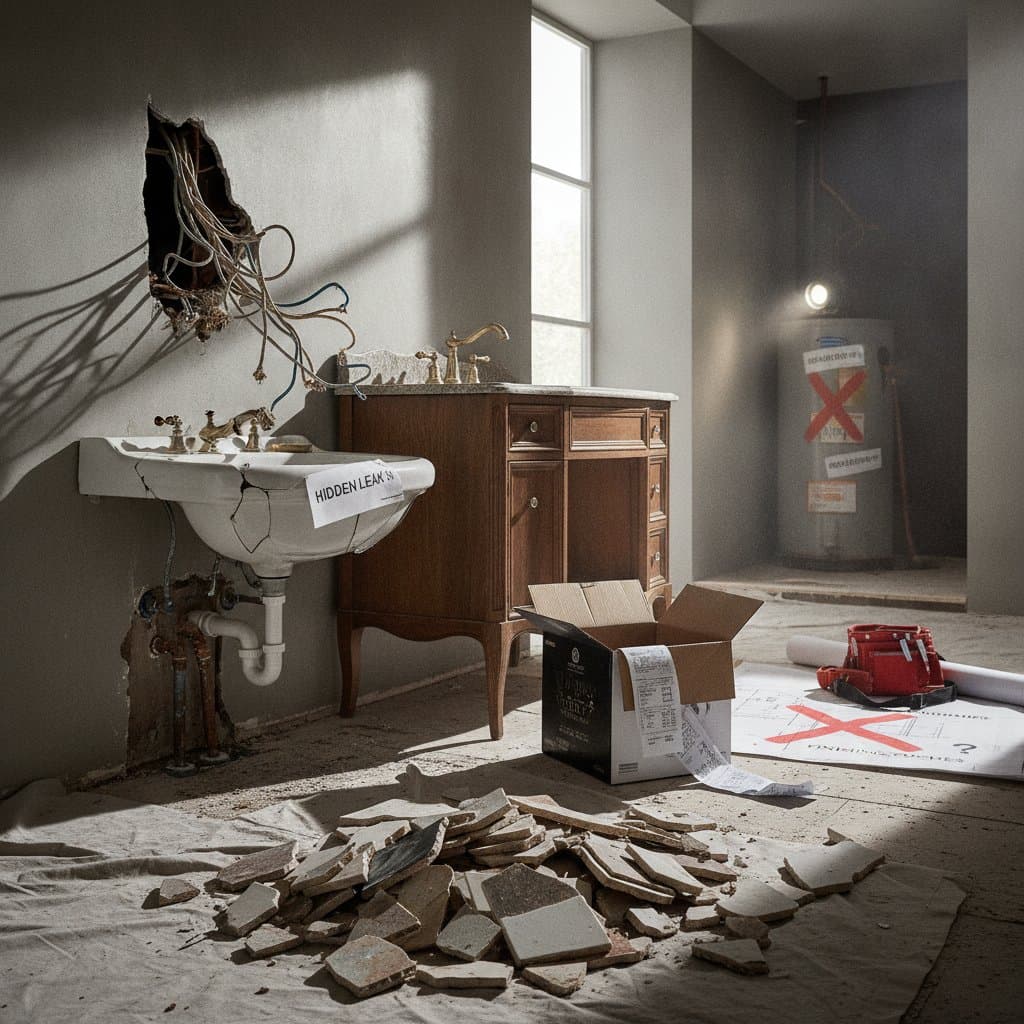
A wet room transforms a standard bathroom into a luxurious, barrier-free retreat where water flows freely yet remains contained. Seamless integration of the shower area with the rest of the space enhances accessibility and aesthetics, but only if leaks remain absent. Poor planning or substandard materials invite moisture intrusion, leading to structural damage, mold growth, and expensive fixes. This checklist outlines essential steps and material choices to build a wet room that performs reliably for years.
Follow these steps in sequence to ensure every element contributes to waterproof integrity and visual appeal.
1. Assess Your Space and Develop a Detailed Layout Plan
Begin with a thorough evaluation of the bathroom area to identify potential challenges. Measure the room dimensions precisely, noting the position of existing plumbing, electrical outlets, and structural beams. Consider the slope required for drainage, typically a 1-2% gradient toward the drain, which affects furniture placement and overall flow.
Sketch a layout that positions the drain centrally or offset based on usage patterns. Factor in accessibility needs, such as space for a wheelchair if required, and ensure the design complies with local building codes for wet areas. Consult a professional surveyor if the space includes load-bearing walls or irregular shapes to avoid costly alterations later.
2. Install Effective Drainage Solutions
Proper drainage prevents water pooling, which is the primary cause of leaks in wet rooms. Select a linear or point drain system rated for high water volume, ensuring it connects seamlessly to the main plumbing line. Linear drains along the wall create a minimalist look and distribute flow evenly across the sloped floor.
Prepare the subfloor by cutting channels for drainage pipes and testing the gradient with a laser level before pouring the screed. Use stainless steel or PVC grates that resist corrosion and clogging. After installation, conduct a water test by flooding the area to verify flow rates and identify any low spots that could trap water.
3. Choose a Comprehensive Waterproofing System
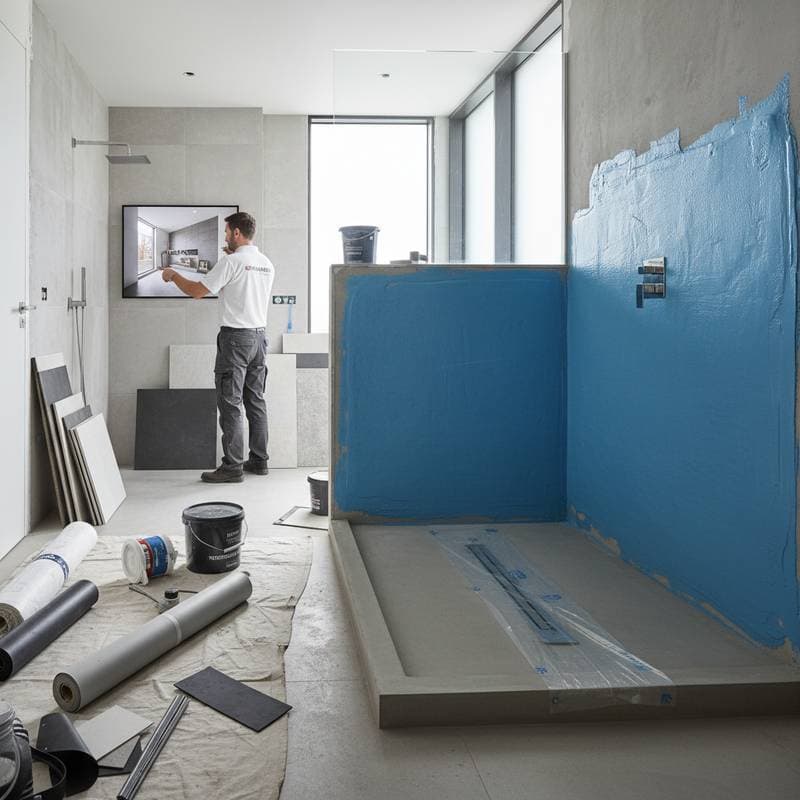
Waterproofing forms the critical barrier against moisture penetration. Select a tanking system that covers the floor and walls up to at least 250mm above the shower threshold, creating a watertight envelope. Opt for liquid-applied membranes or pre-formed sheets made from butyl rubber or PVC, which flex with building movements without cracking.
Apply the membrane in multiple coats, allowing each to cure fully as per manufacturer guidelines. Reinforce vulnerable areas with joint tapes at corners, seams, and pipe entries. Choose systems certified for immersion, such as those meeting European standard EN 14891, to guarantee long-term performance in constantly damp environments.
4. Select Durable and Slip-Resistant Finishes
Finishes must withstand constant exposure to water while providing traction to minimize slip risks. Large-format porcelain tiles, with rectified edges, reduce grout lines and create a continuous surface that enhances the spacious feel. For added grip, incorporate textured or mosaic tiles in high-traffic zones near the drain.
Evaluate materials for their water absorption rate; porcelain should be under 0.5% to prevent warping. Natural stone options like marble demand annual sealing with impregnators to block stains, whereas resin-bound floors offer a monolithic, easy-to-maintain alternative. Always pair tiles with epoxy or cement-based grouts infused with anti-mold agents for hygiene and durability.
5. Ensure Precise Sealing at All Junctions
Sealing addresses the points where water seeks entry, such as transitions between surfaces. Apply neutral-cure silicone sealants that remain flexible and adhere to multiple substrates without shrinking. Focus on creating even, concave beads that allow for expansion while blocking moisture paths.
Target key areas including the perimeter of doors, around shower controls, and at the base of glass screens. For pipe penetrations, use compression seals or foam backers topped with sealant to accommodate vibrations. After application, tool the sealant with a smoothing agent for a watertight finish, then allow 24 hours of curing before water exposure.
6. Incorporate Protective and Functional Details
Enhance the wet room's resilience with elements that manage water beyond basic waterproofing. Install low-profile glass panels or hinged screens to direct spray while preserving the open design. Integrate underfloor heating mats compatible with wet environments to evaporate residual moisture quickly and maintain comfortable temperatures.
Add recessed shelves or niches with integrated slopes leading to the drain, constructed from waterproof composites. Ventilation plays a vital role; pair mechanical extractors with humidity sensors to remove steam efficiently. These additions not only prevent damp buildup but also elevate the room's practicality and luxury.
7. Conduct Thorough Testing and Final Inspections
Before declaring the project complete, perform rigorous checks to validate the system's integrity. Flood the floor with several inches of water for 24-48 hours, monitoring for seepage at walls, ceilings, and adjacent rooms. Use moisture meters on sub-layers to detect hidden ingress.
Inspect all seals under various lighting to spot imperfections, and test drainage capacity with simulated heavy use. Engage a third-party inspector if possible to certify compliance with standards. Address any issues immediately to avoid compounded problems post-installation.
Maintaining Your Wet Room for Enduring Performance
Routine care sustains the wet room's leak-proof qualities and appearance. Wipe down surfaces daily with a microfiber cloth and pH-neutral cleaner to remove residues that degrade seals. Inspect silicone lines quarterly, reapplying where cracks or discoloration appear, and clear drains monthly to prevent blockages from hair or soap.
Annual professional reviews can identify subtle wear, such as membrane fatigue, ensuring proactive repairs. With diligent maintenance, your wet room delivers ongoing luxury, boosts property value, and provides a safe, inviting space that withstands daily demands without faltering.