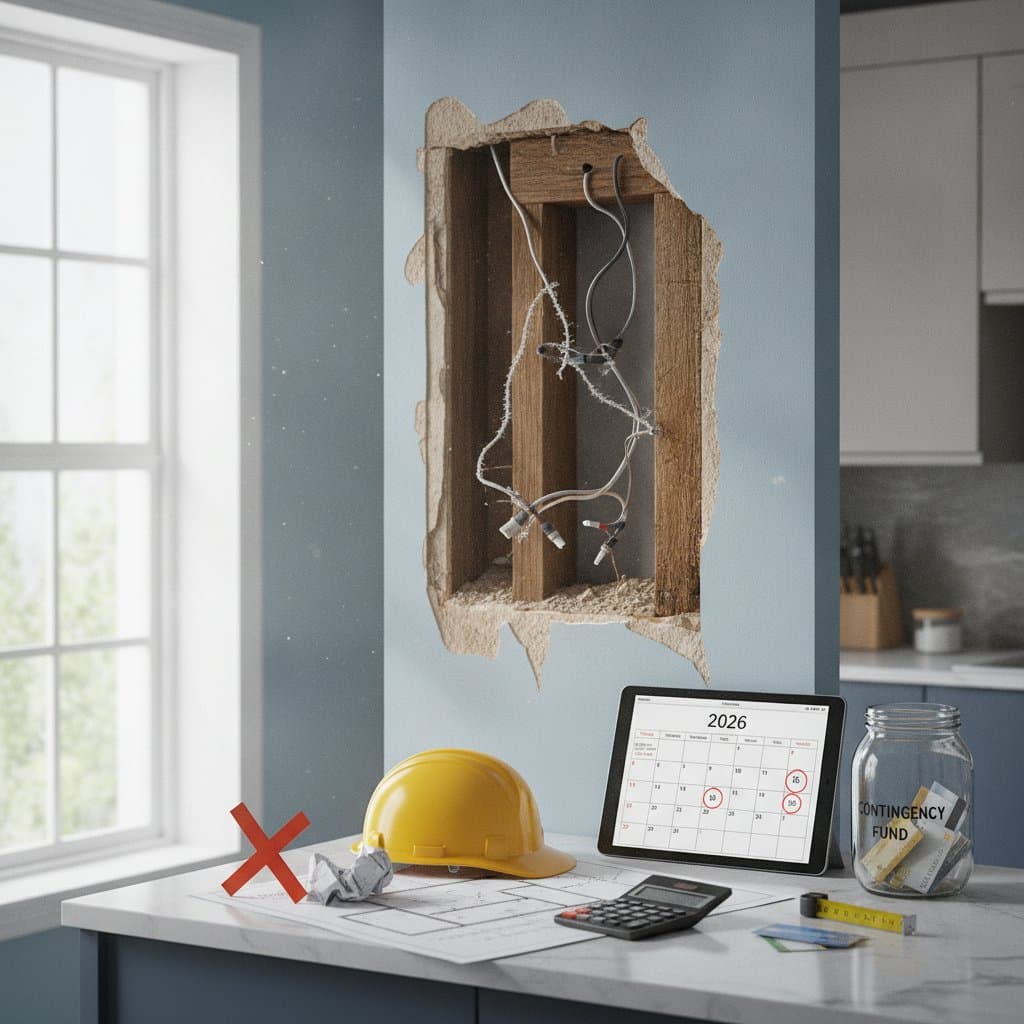


Navigate Hidden Costs in Your 2026 Kitchen Remodel
Kitchen renovations rank high on homeowner priority lists, with many seeking open layouts, durable materials, and integrated technology. These projects promise enhanced daily living, but unexpected expenses often emerge to challenge initial budgets. Structural discoveries, code compliance requirements, and material adjustments can inflate costs by 20 percent or more if not addressed early.
This article examines key hidden costs through real-world examples and expert insights. Each section highlights a potential pitfall, supported by designer recommendations and practical steps. By preparing for these elements, you position your remodel for success, whether refreshing a small space or reimagining a larger one.
Custom Cabinetry Add-Ons
Homeowners frequently select bespoke cabinets to achieve a personalized look, but modifications such as specialized finishes or hardware escalate prices rapidly. Initial estimates may cover basic units, yet requests for soft-close mechanisms or integrated lighting add significant fees. Designer Elliot Ward of Ward & Co. Design notes that custom work involves precise measurements and premium sourcing, which can double costs for intricate details.
Materials: Rift-cut white oak veneer paired with brushed brass hardware provides a timeless appeal.
Design Strategy: Ward advises combining semi-custom lower cabinets with fully custom uppers to balance expense and style. Request detailed breakdowns from suppliers before committing.
Functionality: Features like adjustable shelving and pull-out organizers enhance storage efficiency and ease of use.
Visual Impact: The oak's subtle grain contrasts elegantly with brass, creating a refined atmosphere.
This approach delivers a luxurious result while curbing unnecessary outlays.
Subfloor Damage During Flooring Replacement
Removing outdated flooring often uncovers water damage or uneven subfloors from past leaks or wear. Softened plywood demands full replacement to support new installations securely. Designer Nina Correll of Correll Design Studio emphasizes that ignoring these issues leads to future failures, such as buckling tiles or squeaky floors.
Materials: Engineered white oak planks over a moisture-resistant underlayment ensure longevity.
Design Strategy: Correll suggests allocating 10 to 15 percent of the flooring budget for contingencies. Inspect the subfloor during demolition planning to gauge repair scope.
Functionality: A stable foundation promotes even wear and simplifies maintenance over time.
Visual Impact: Wide oak planks flow seamlessly, fostering a serene and expansive feel.
Addressing foundational problems early establishes a reliable base for surface enhancements.
Enhanced Ventilation Requirements
Contemporary cooking appliances, including high-output burners, necessitate robust exhaust systems beyond basic models. Inadequate ducting may require rerouting through walls or attics, incurring labor and material charges. Sophie Tran of Atelier Ventana highlights that poor ventilation traps grease and odors, compromising air quality and cabinet integrity.
Materials: A stainless steel ducted range hood connected to insulated piping handles high volumes effectively.
Design Strategy: Tran recommends consulting HVAC specialists during the design phase to map optimal routes. Factor in ceiling modifications to avoid disruptions later.
Functionality: Strong airflow removes cooking byproducts, reducing humidity and extending fixture life.
Visual Impact: A sleek hood serves as a focal point, elevating the cooktop area.
Integrating ventilation thoughtfully turns an essential system into a stylish element.
Permit and Inspection Requirements
Local regulations mandate permits for alterations involving electricity, plumbing, or load-bearing changes, each with associated filing and review fees. Delays from incomplete applications halt progress and invite fines. The team at Urban Nest Remodeling Group stresses that thorough documentation upfront streamlines approvals.
Materials: Detailed blueprints and compliance checklists form the submission package.
Design Strategy: Submit applications at least four weeks before starting work. Engage a permit expediter if navigating codes feels complex.
Functionality: Approved permits safeguard against legal issues and boost property value.
Visual Impact: Compliance ensures a seamless finish without patchwork corrections.
Proactive permitting maintains momentum and shields against regulatory surprises.
Structural Supports for Countertops
Expansive countertops, particularly those with overhanging edges, need concealed reinforcements like brackets to bear weight safely. Standard quotes overlook these, leading to on-site additions at premium rates. Leo Frank of FormBuilt Interiors explains that improper support risks sagging or breakage under daily use.
Materials: Powder-coated steel brackets and hidden fasteners provide discreet strength.
Design Strategy: Frank incorporates supports into the initial cabinet framework. Consult structural engineers for spans exceeding 24 inches.
Functionality: Reinforced surfaces withstand heavy loads, from appliances to gatherings.
Visual Impact: Cantilevered designs impart a modern, airy quality to solid materials.
Planning reinforcements from the outset achieves stability without visible compromises.
Additional Finishes and Surface Preparation
Refreshing surfaces through painting or refinishing uncovers the need for extra primer layers to cover stains or grease residue. Sanding imperfect areas extends labor time unexpectedly. Gina LaRoche of Surface Studio observes that kitchens demand durable coatings to combat splatters and steam.
Materials: Low-VOC primer followed by a satin enamel topcoat offers clean adhesion.
Design Strategy: LaRoche proposes on-site color testing across lighting conditions. Budget for two priming coats on high-traffic zones.
Functionality: Quality finishes resist wear, simplifying cleaning routines.
Visual Impact: Even application accentuates textures and colors uniformly.
Thorough preparation yields a professional sheen that endures kitchen demands.
Build a Resilient Remodel Plan
Successful kitchen projects harmonize vision with fiscal discipline, turning potential obstacles into manageable steps. Experts agree that a 10 to 15 percent contingency fund absorbs unforeseen expenses effectively. Maintain detailed records of agreements and progress to foster accountability among all parties.
From my experience revitalizing spaces on a budget, clear communication prevents escalation. The satisfaction of a well-executed kitchen multiplies when costs align with expectations. Review vendor proposals meticulously, verify measurements, and establish protocols for modifications.
These practices empower you to craft a kitchen that supports your lifestyle precisely, free from budgetary detours.